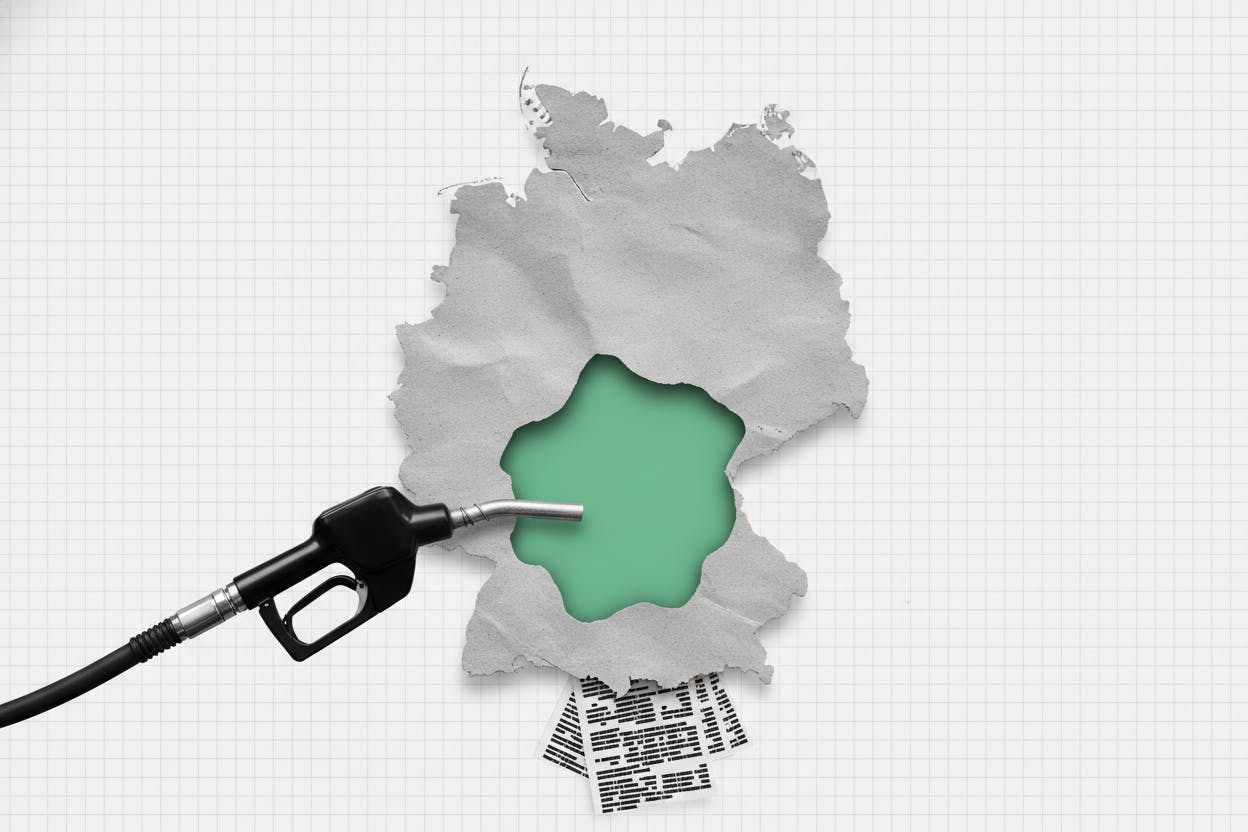
European stocks edged lower on [day] as investors digested a hotter-than-expected inflation reading from the euro zone's largest economy. The pan-European Stoxx 600 index slipped 0.2% after Germany's statistics office, Destatis, reported that consumer prices rose 2.8% in July compared with a year earlier, up from 2.3% in June.
The acceleration was largely driven by energy and fuel costs, which jumped after a government subsidy on fuel ended on June 30. On a monthly basis, prices climbed 0.8%.
Why energy is the culprit
Destatis President Ruth Brand pointed to energy as the main driver behind the uptick. The end of a temporary fuel discount—introduced to cushion the impact of high energy prices—has pushed pump prices higher, feeding directly into the inflation gauge.
This is a classic case of a 'base effect' and a one-off policy change distorting the headline number. Energy prices were unusually low in July last year, so the comparison with this year looks steeper. Underlying price pressures, excluding volatile food and energy, are likely to be more subdued, though the brief does not provide a core figure.
For markets, the immediate reaction is often to assume the worst. An upside inflation surprise can prompt traders to push back expectations for interest rate cuts, which in turn weighs on stock valuations, particularly for growth-oriented companies.
What it means for the European Central Bank
The inflation data complicates the European Central Bank's (ECB) path. The ECB has been gradually easing monetary policy after a long period of high rates, but a resurgence in inflation—even if driven by energy—could make policymakers more cautious about cutting rates further.
Investors will be watching the ECB's next meeting closely for signals. If inflation stays sticky, the central bank may hold rates steady for longer, which would keep borrowing costs elevated for businesses and consumers. That could slow economic growth and weigh on corporate earnings.
For everyday investors, this means European stocks could face headwinds if rate-cut expectations are dialed back. Higher rates make bonds more attractive relative to stocks and increase the cost of capital for companies, potentially squeezing profit margins.
Broader market context
The dip in European stocks comes amid a global focus on inflation data. In the United States, July inflation also ticked up, though the underlying trend remained cool. Similarly, India's July inflation rose to 4.45%, but a rate cut from the Reserve Bank of India is likely delayed.
These readings underscore that inflation is not yet fully vanquished globally. While central banks have made progress, energy price volatility and supply-side shocks can still cause bumps along the road.
In Asia, AI chip stocks have been rallying, but they face headwinds from oil prices and inflation concerns. The interplay between inflation and tech valuations is a key theme for markets worldwide.
What investors should watch
For those with exposure to European equities, the key takeaway is that inflation is not a one-way street. Energy-driven spikes can create short-term volatility, but they don't necessarily signal a sustained reacceleration of price pressures.
Investors should keep an eye on upcoming euro zone inflation data, as well as any commentary from ECB officials. If core inflation—which strips out food and energy—remains contained, the central bank may look through the energy blip and continue its easing cycle.
Also watch oil prices. If crude continues to climb, it could keep energy inflation elevated, putting more pressure on the ECB to hold rates. Conversely, a pullback in oil would likely ease the inflation scare and support stock markets.
In the meantime, the modest decline in European stocks suggests investors are taking the news in stride, but the reaction could deepen if further data points to persistent price pressures.