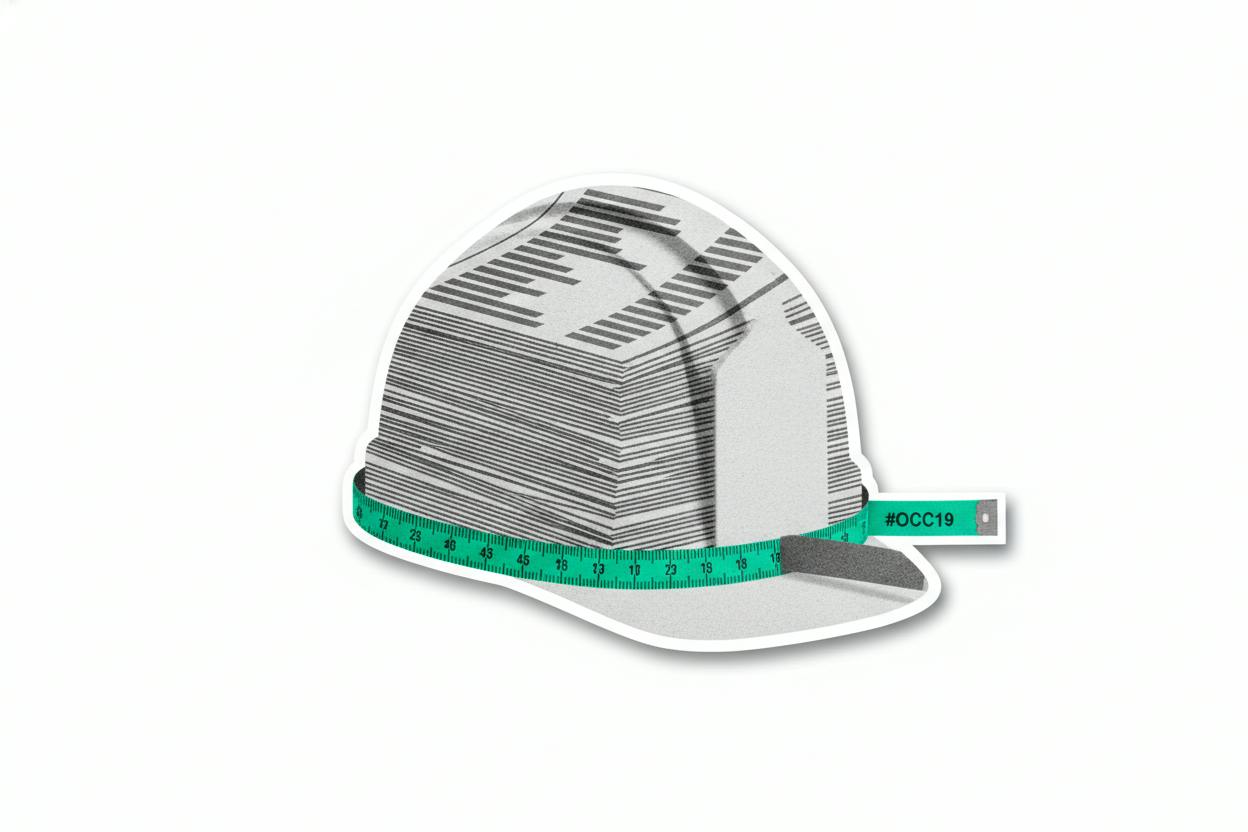
Fastenal, a major US distributor of industrial and construction supplies, delivered second-quarter sales that exceeded analyst expectations, according to a note from UBS. The investment bank highlighted that the company's June average daily sales ran 120 basis points (1.2 percentage points) ahead of typical seasonal patterns, a clear sign of stronger-than-usual demand.
However, the same report pointed to mounting pressure on Fastenal's profit margins. UBS said that while the top line benefited from solid volume, the bottom line is being squeezed by a combination of higher freight costs, customer rebates, and unfavorable price-cost dynamics. In plain terms, Fastenal is paying more to ship goods and is offering more discounts to customers, while the prices it charges for its products are not keeping pace with its own rising costs.
What Is Fastenal and Why Does It Matter?
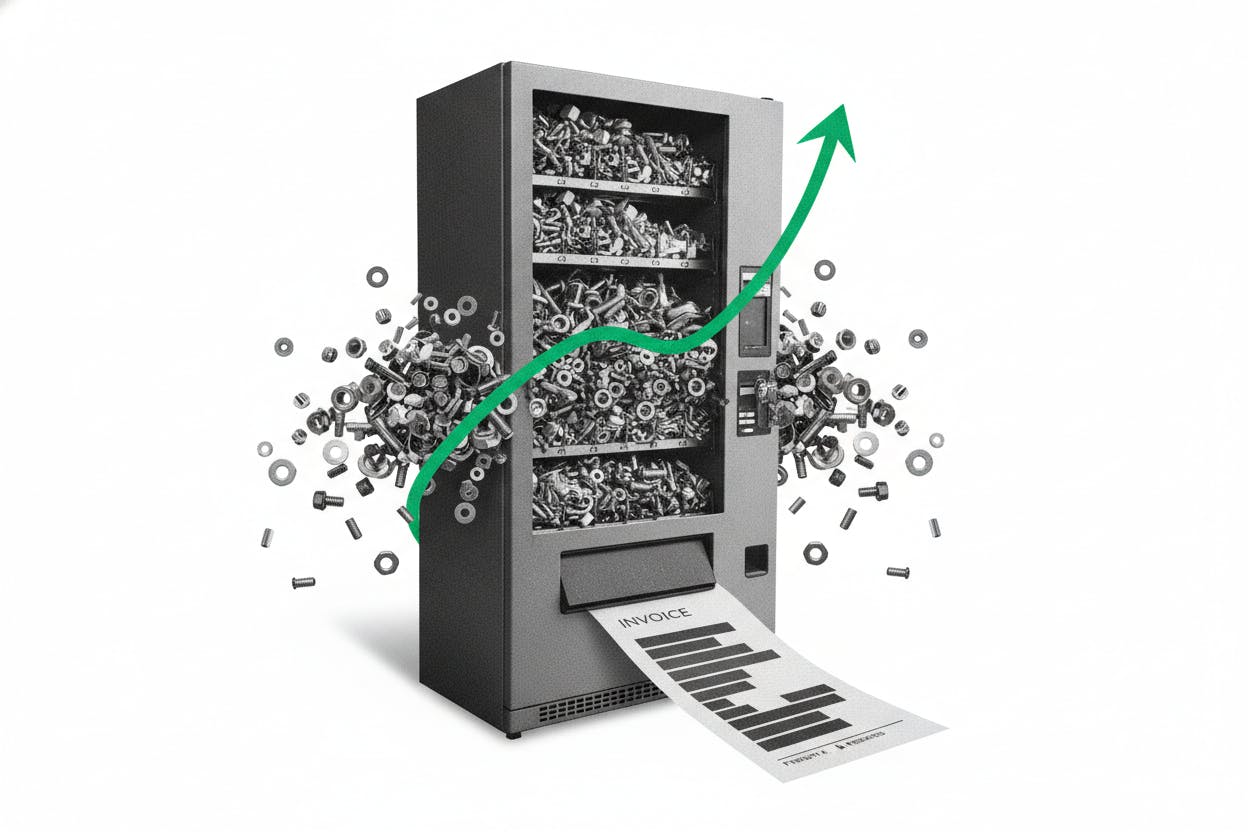
Fastenal is one of the largest distributors of fasteners—think bolts, nuts, screws, and other industrial hardware—as well as safety supplies, tools, and maintenance products. Its customers range from large manufacturers and construction firms to smaller local businesses. Because Fastenal sells into so many corners of the industrial economy, its sales trends are often seen as a bellwether for broader economic activity. When factories and construction sites are busy, Fastenal tends to do well. When they slow down, so does Fastenal.
The company operates a vast network of branches and vending machines that supply products directly to customer locations. This model gives it a close-up view of industrial demand, making its quarterly reports closely watched by investors looking for clues about the health of the manufacturing sector.
Sales Beat Seasonality, But Margins Under Pressure
The key takeaway from UBS's analysis is that Fastenal's sales performance in June was notably stronger than what is typical for that time of year. Seasonality refers to predictable patterns in business activity—for example, many industrial companies see a dip in orders during the summer months as factories shut down for maintenance or vacations. Fastenal's June sales running 120 basis points ahead of normal suggests that underlying demand is holding up better than expected.
Yet the profit picture is less rosy. UBS flagged that Fastenal is facing headwinds from freight costs, which have been volatile due to changes in shipping capacity and fuel prices. Additionally, customer rebates—discounts offered to large clients to retain their business—are eating into revenue. The price-cost dynamic refers to the gap between what Fastenal pays for the products it distributes and what it charges its customers. When that gap narrows, margins get squeezed.
This is a common challenge for distributors, which operate on relatively thin margins and are sensitive to changes in both input costs and pricing power. If Fastenal cannot pass along higher costs to its customers, its profitability suffers.
What It Means for Investors
For everyday investors, Fastenal's mixed results offer a lesson in looking beyond the headline sales number. A company can beat expectations on revenue but still face underlying challenges that affect its earnings and stock performance. In this case, the sales beat is encouraging because it suggests demand from industrial customers remains healthy. That could be a positive signal for the broader economy, especially given concerns about a potential slowdown.
However, the margin squeeze is a red flag. If Fastenal's costs continue to rise faster than its prices, profits could come under further pressure in the coming quarters. Investors should watch for updates on freight costs, pricing trends, and the company's ability to manage its supply chain. UBS's note implies that while the top line is strong, the bottom line may not follow suit unless conditions improve.
It's also worth noting that Fastenal's performance can be influenced by broader trends in industrial production and construction spending. For context, recent data from Canada showed factory sales hitting a record C$78.1 billion in May, with order books swelling—a sign of robust manufacturing activity in North America. Similarly, Canada's wholesale sales were flat in May, but inventories dipped, suggesting that supply chains are still adjusting. These trends could support Fastenal's sales in the near term, but they also contribute to the cost pressures the company is facing.
Another factor to consider is the broader market environment. Industrial stocks like Fastenal are often sensitive to interest rates and economic growth expectations. If the economy slows, demand for industrial supplies could weaken, putting additional pressure on sales and margins. On the other hand, if the economy remains resilient, Fastenal's strong sales momentum could continue, and the company might eventually find ways to improve its pricing power.
Looking Ahead
Fastenal's next earnings report will be closely watched to see whether the margin squeeze eases or worsens. Investors will also be paying attention to commentary from management about demand trends, cost pressures, and any changes in customer behavior. For now, the message from UBS is clear: Fastenal is selling more, but it's costing more to do so, and that is eating into profits.
As always, it's important for investors to consider the full picture—not just the top line—when evaluating a company's health. Fastenal's ability to navigate these challenges will determine whether its stock can maintain its appeal as a reliable industrial play.