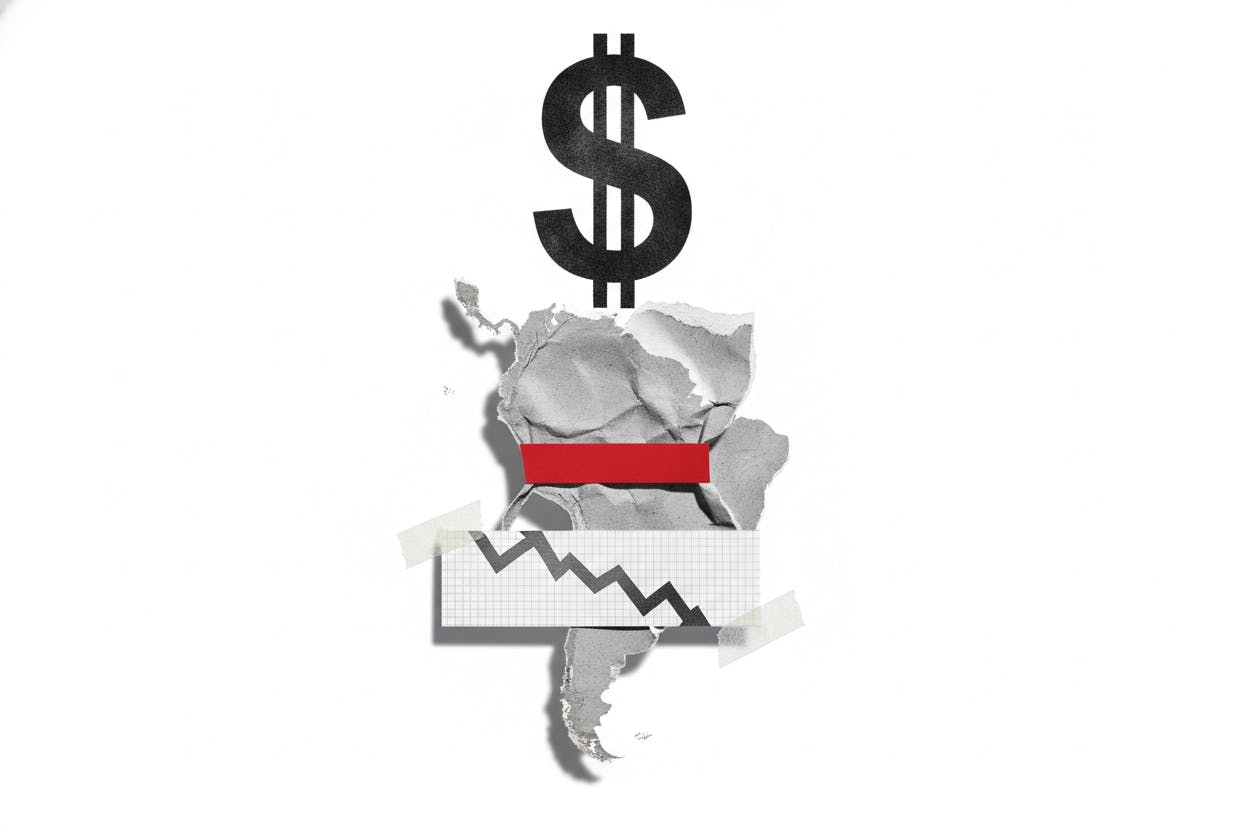
Latin American markets took a hit on Friday after Federal Reserve Chair Kevin Warsh used his Jackson Hole speech to push back against expectations of imminent rate cuts. His comments boosted the odds of a September rate hike, which in turn lifted the US dollar and weighed on regional stocks and currencies.
MSCI's index tracking Latin American equities fell 1.1%, while its currency gauge slipped 0.6%. The dollar gained 0.4% against a basket of major currencies, a move that typically pressures emerging-market assets.
What Warsh said
Speaking at the Fed's annual economic symposium in Jackson Hole, Wyoming, Warsh said recent data do not show inflation cooling convincingly. He added that the central bank has "more work to do" before it can be confident that prices are heading back to its 2% target.
That message was a clear signal that the Fed is not ready to ease policy, and it prompted traders to adjust their expectations. According to futures markets, the probability of a September rate hike rose following the speech.
Warsh's remarks were closely watched, as they marked his first Jackson Hole appearance as Fed chair. Investors had been waiting for his debut all week, and the market reaction was swift.
Why a stronger dollar hurts Latin America
For Latin American economies, a stronger dollar is often a double-edged sword. Many countries in the region borrow in dollars, so a firmer greenback makes debt servicing more expensive. It also tends to weaken local currencies, which can fuel imported inflation.
At the same time, higher US interest rates make dollar-denominated assets more attractive, drawing investment away from emerging markets. That dynamic was on full display as investors pulled back from regional equities and currencies.
The move was broad-based, with major markets like Brazil, Mexico, and Chile all feeling the pressure. The MSCI regional index, which tracks large and mid-cap stocks across the region, fell to its lowest level in weeks.
What it means for investors
For everyday investors, the key takeaway is that US monetary policy continues to drive global markets. When the Fed signals it will keep rates higher for longer, it tends to strengthen the dollar and create headwinds for emerging-market assets.
If you hold international funds or ETFs with exposure to Latin America, you may see short-term volatility. Currency swings can also affect the value of foreign investments when converted back to dollars.
It's worth noting that not all Latin American economies are equally vulnerable. Countries with strong export sectors, particularly those tied to commodities, can benefit from a weaker currency. But the overall sentiment this week was clearly risk-off.
Investors will now be watching for further clues from the Fed, including upcoming inflation data and speeches from other officials. The recent outflows from global stock funds suggest that caution is spreading beyond Latin America.
The bigger picture
Jackson Hole has long been a platform for central bankers to signal policy shifts, and this year's meeting was no exception. Warsh's hawkish tone contrasts with earlier expectations that the Fed might start cutting rates soon.
For Latin America, the immediate impact is clear: a stronger dollar and higher US rates put pressure on local markets. But the longer-term outlook depends on how inflation evolves in the US and whether the Fed's stance changes.
As always, diversification remains a key strategy for investors. While Latin American markets may face headwinds, other regions or asset classes could offer opportunities. The key is to stay informed and avoid making impulsive decisions based on short-term moves.
For now, the message from Jackson Hole is that the Fed is in no hurry to ease. That's likely to keep the dollar firm and keep emerging-market assets under pressure in the near term.



