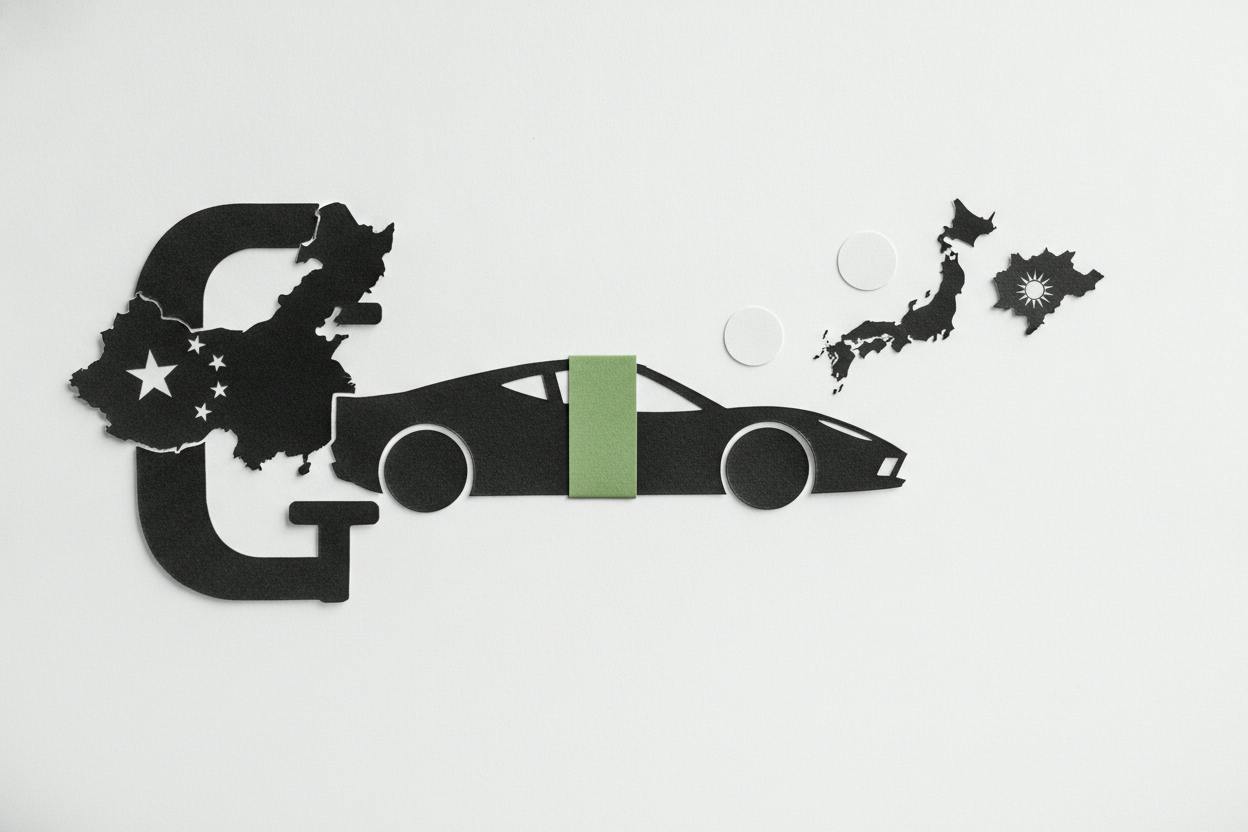
Ferrari is shifting its growth focus away from China for the time being, according to analysts at RBC Capital Markets, who met with CEO Benedetto Vigna and the company's investor relations team. The bank said China is not a near-term "high priority" for the luxury carmaker, as high emissions taxes, pricing pressure, and an underdeveloped pre-owned market make it harder to grow there without hurting profit margins.
RBC's view, shared in a note to clients, highlights a key challenge for luxury automakers in China: the economics of selling a new car increasingly depend on what that car is worth later. In China, the resale market for high-end vehicles is thin and opaque, which makes it difficult for Ferrari and its partners to set and defend strong residual values—the expected worth of a car when it is resold.
Those resale values matter because they ripple through the entire ownership equation. Dealers and lenders use them to set trade-in offers, lease pricing, and guaranteed buyback programs. If the secondhand market is weak or unclear, Ferrari and its partners often have to be more conservative, either keeping supply tighter, being less flexible on pricing, or offering richer guarantees that cost money.
That's why RBC thinks Ferrari can protect its profitability by leaning more on demand from Japan, Taiwan, and India, where the resale feedback loop is clearer. The bank added that worries about resale values may be "overdone" because hybrids are holding up better than internal-combustion models, and it expects doubts around the Luce—Ferrari's first fully electric SUV—to fade as high-profile deliveries begin.
Why China is a tougher market for luxury cars
China has been a growth engine for many global brands, but luxury carmakers face specific headwinds there. High emissions taxes on large-engine vehicles, which are common in Ferrari's lineup, directly raise the cost of ownership. Meanwhile, the pre-owned market for ultra-luxury cars is still developing, meaning fewer buyers and less reliable pricing data.
That combination can squeeze margins in two ways: Ferrari may have to absorb some of the tax burden to keep prices competitive, and it may need to offer more generous buyback guarantees to reassure buyers worried about future value. Both eat into profitability.
RBC's call suggests Ferrari is choosing to prioritize margin over volume in China. Instead of pushing for aggressive sales growth in a market where the economics are less favorable, the company can focus on regions where resale values are more predictable and pricing power is stronger.
This is not a retreat from China entirely, but a recalibration. Ferrari is likely to maintain a presence there, but it may allocate more supply and marketing effort to markets like Japan, Taiwan, and India, where the brand's exclusivity and resale dynamics are more supportive.
What it means for investors
For investors, RBC's €435 price target and outperform rating rest on the idea that Ferrari's brand strength can sustain high margins even as it shifts geographic focus. The bank's analysis suggests that the market may be overestimating the risk from China's weak resale market, especially for hybrid models, which are holding value better than traditional combustion engines.
The Luce, Ferrari's upcoming electric SUV, is also seen as a potential catalyst. If early deliveries go well, RBC expects skepticism about its resale value to fade, which could support the stock.
Luxury automakers don't just sell a new car once: a lot of the economics depend on what that car can fetch later, because it shapes financing terms and buyers' trade-in expectations. When China's used-car market can't reliably support high resale prices, incremental volume can come with hidden costs, like more cautious pricing or expensive buyback guarantees.
That's why RBC's "China is lower priority" call reads like margin protection. If Ferrari can shift growth toward markets with healthier resale dynamics, it can keep the pricing power that underpins the brand's profitability—and it also explains why the bank sees hybrid resale worries as less alarming than some investors fear.
For everyday investors, the takeaway is that Ferrari's strategy is about protecting its premium positioning rather than chasing sales at any cost. That approach has historically supported strong returns, but it also means growth may be slower in the near term as the company rebalances its geographic mix.
Investors will likely watch how Ferrari manages its China presence and whether the Luce's launch can deliver on expectations. The broader China market backdrop remains uncertain, with rate fears and policy support measures in flux, which could influence consumer sentiment and luxury spending.
RBC's note is a reminder that for luxury brands, the health of the secondhand market is as important as new-car demand. As Ferrari navigates this, its ability to maintain pricing power will be key to sustaining the margins that underpin its valuation.



