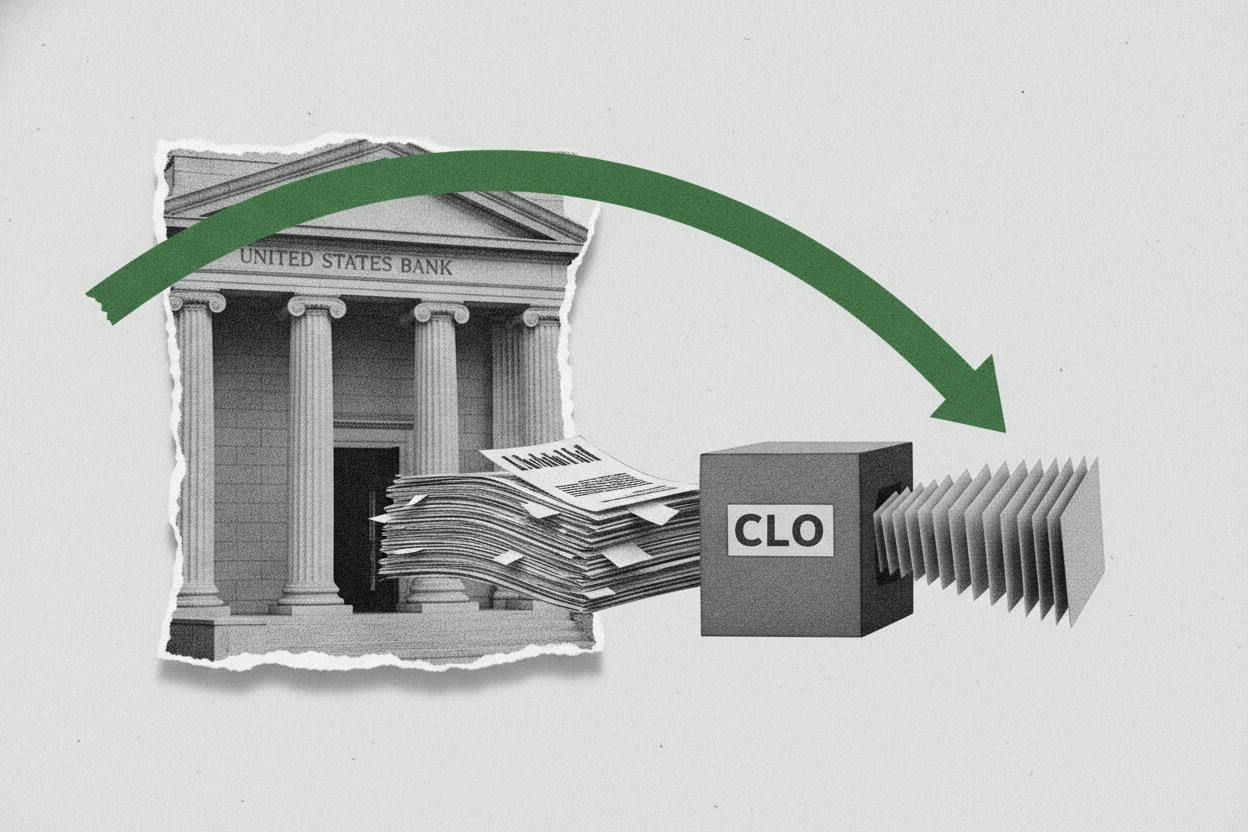
US financial stocks moved higher on Monday, even as longer-dated Treasury yields drifted lower. The combination is unusual enough to be worth unpacking: banks and buyout firms typically benefit from rising rates, which widen the spread between what they pay for deposits and what they earn on loans. This time, the lift came from something else — a pickup in deal chatter and renewed interest in a corner of credit markets known as collateralized loan obligations.
Goldman Sachs was among the names drawing attention, with market participants pointing to speculation about potential transaction activity. Private-equity firms and other buyout shops also participated in the rally, helped by the sense that financing conditions may be thawing after a long stretch in which higher borrowing costs kept large deals on the shelf.
What's driving the move
Two forces appear to be at work. The first is deal chatter. When investors believe mergers, buyouts or capital raises are coming back to life, they tend to bid up the shares of the banks that advise on those transactions and the private-equity firms that put money to work. Investment-banking revenue is highly cyclical: in quiet periods, advisory and underwriting fees dry up, and in busy periods they can rebound sharply. Even the rumor of a pickup can move share prices before any actual deal is announced.
The second is CLO talk. CLOs are packages of loans — often made to below-investment-grade companies — that are pooled together and sold to investors in slices with different risk levels. Banks earn fees arranging them, and demand for CLOs is a rough gauge of how willing credit markets are to finance riskier borrowers. When CLO issuance looks healthier, it signals that lenders and investors are more comfortable taking on credit risk, which tends to support bank shares and the private-credit ecosystem around them.
The broader backdrop matters too. Longer-term Treasury yields eased, which can lower funding costs across the economy and make future cash flows more valuable in today's dollars. Lower yields also tend to compress the spread banks earn on loans, which is why financials don't always rally when rates fall. Monday's move suggests investors were more focused on the deal and credit story than on the rate math.
The Coinbase exception
Not every financial name joined the rally. Coinbase fell after Morgan Stanley cut its outlook on the crypto exchange. Analyst downgrades matter because they can shift the narrative around a stock, especially for a company whose revenue is closely tied to trading activity and crypto prices. When a major brokerage trims its view, it often reflects concerns about volumes, competition or the durability of earnings through a crypto cycle.
Coinbase sits at the intersection of two volatile worlds: crypto and equities. Its shares have historically moved in tandem with bitcoin and other digital assets, and they can swing sharply on regulatory news or changes in trading fees. A downgrade doesn't change the underlying business, but it can prompt some investors to reassess how much they're willing to pay for those future earnings.
What it means for investors
For everyday investors, Monday's session is a reminder that financial stocks aren't a single trade. Banks, asset managers, exchanges and private-equity firms respond to different drivers. A pickup in deal activity helps advisory-heavy firms; a thaw in credit markets helps lenders and private-credit managers; and a downgrade can knock a single name even when the sector is green.
It's also worth watching whether the deal chatter translates into actual announcements. Speculation can fade quickly if no transactions materialize, and share prices that ran on rumors can give back gains just as fast. Investors who own financials through broad index funds or sector ETFs are exposed to these swings whether or not they follow individual names.
Finally, keep an eye on rates. If longer-term yields keep slipping because growth is slowing, that's a different story than if they're easing because inflation is cooling. The first scenario tends to pressure bank earnings; the second can support them. Monday's move leaned on the optimistic reading, but the data in the weeks ahead will determine which one prevails.