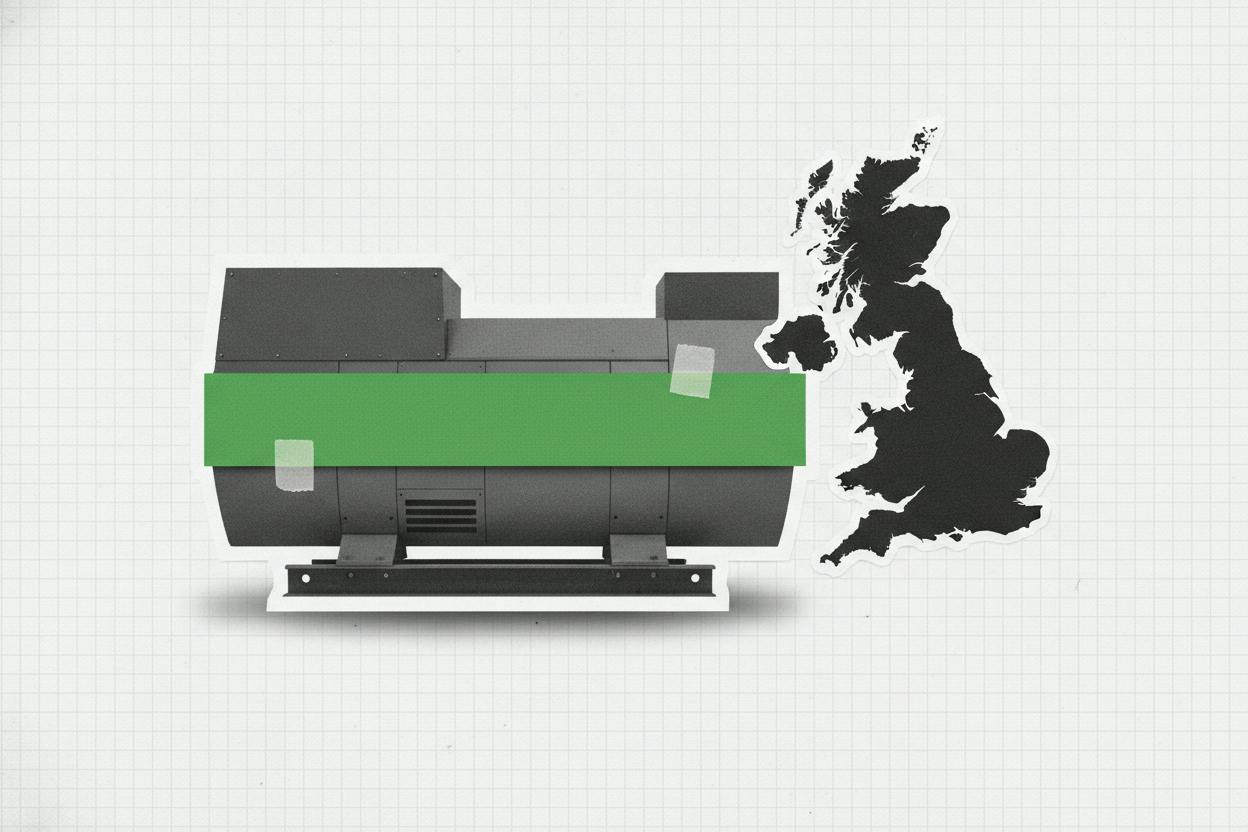
Finning International, one of the world's largest dealers of Caterpillar equipment, has agreed to acquire John F Hunt Power Group, a UK-based generator rental specialist. The deal instantly adds 2,500 generators across six UK sites and is expected to more than triple Finning's power rental revenue in the UK and Ireland.
The acquisition is a classic bolt-on move: instead of slowly building up its own rental fleet and depot network, Finning is buying ready-made capacity, customer relationships, and a physical footprint it can plug into immediately. The company said it paid an undisclosed price using existing cash and credit, and that the deal should not materially change group revenue, earnings, or its balance sheet.
Why power rentals are a growth area
Power rental is a specialised corner of the equipment market. Companies hire generators for temporary or emergency power needs—think construction sites, film productions, data centre builds, or backup during grid outages. Demand tends to be steady but can spike during extreme weather or when energy infrastructure is under strain.
For Finning, which is best known for selling and servicing heavy machinery like excavators and trucks, power rentals offer a recurring revenue stream that is less tied to the boom-and-bust cycle of new equipment sales. The UK and Ireland are mature markets where rental penetration is high, so buying an established player like John F Hunt gives Finning immediate scale rather than years of organic growth.
The deal also fits a broader industry trend. Equipment dealers are increasingly looking to expand their rental and services businesses because they generate more predictable cash flow than one-off machine sales. Rental fleets also allow customers to access expensive equipment without a large upfront capital outlay, which is attractive in an environment where borrowing costs remain elevated.
What it means for investors
For Finning shareholders, the key takeaway is that this is a relatively small, low-risk acquisition. The company explicitly said it won't materially change group revenue or earnings, which suggests the purchase price is modest relative to Finning's overall size. That reduces the risk of overpaying or taking on excessive debt.
The bigger prize is the strategic positioning. By more than tripling its UK and Ireland power rental revenue, Finning is making a clear bet that demand for temporary power will keep growing. That could be driven by data centre construction, renewable energy projects that need backup power, or simply the ongoing need for reliable electricity in an era of ageing grids.
Investors should also note that Finning is using existing cash and credit rather than issuing new shares. That means no dilution for current shareholders, and it signals management sees the deal as financially manageable. The lack of a material impact on the balance sheet also means Finning retains flexibility for future acquisitions or capital returns.
Still, bolt-on deals like this rarely move the needle for a company of Finning's size in the short term. The real test will be whether Finning can integrate John F Hunt's operations smoothly and cross-sell its broader equipment and services to the newly acquired customer base. If it can, the deal could lay the groundwork for more meaningful growth in the region over the next few years.
For everyday investors, the lesson is straightforward: acquisitions like this are often about building long-term competitive advantage rather than delivering an immediate earnings pop. The fact that Finning is willing to pay for scale in a niche but growing market suggests management sees durable demand ahead.
Finning's move also echoes a wider pattern in the equipment and energy services space, where companies are positioning themselves to benefit from electrification and the need for flexible power solutions. As grids become more complex and extreme weather events become more common, the ability to rent reliable power on short notice is likely to become even more valuable.
Investors will be watching Finning's next earnings report for any colour on how the integration is progressing and whether the company sees further acquisition opportunities. For now, the deal looks like a sensible, measured step that strengthens Finning's position in a key market without taking on excessive risk.