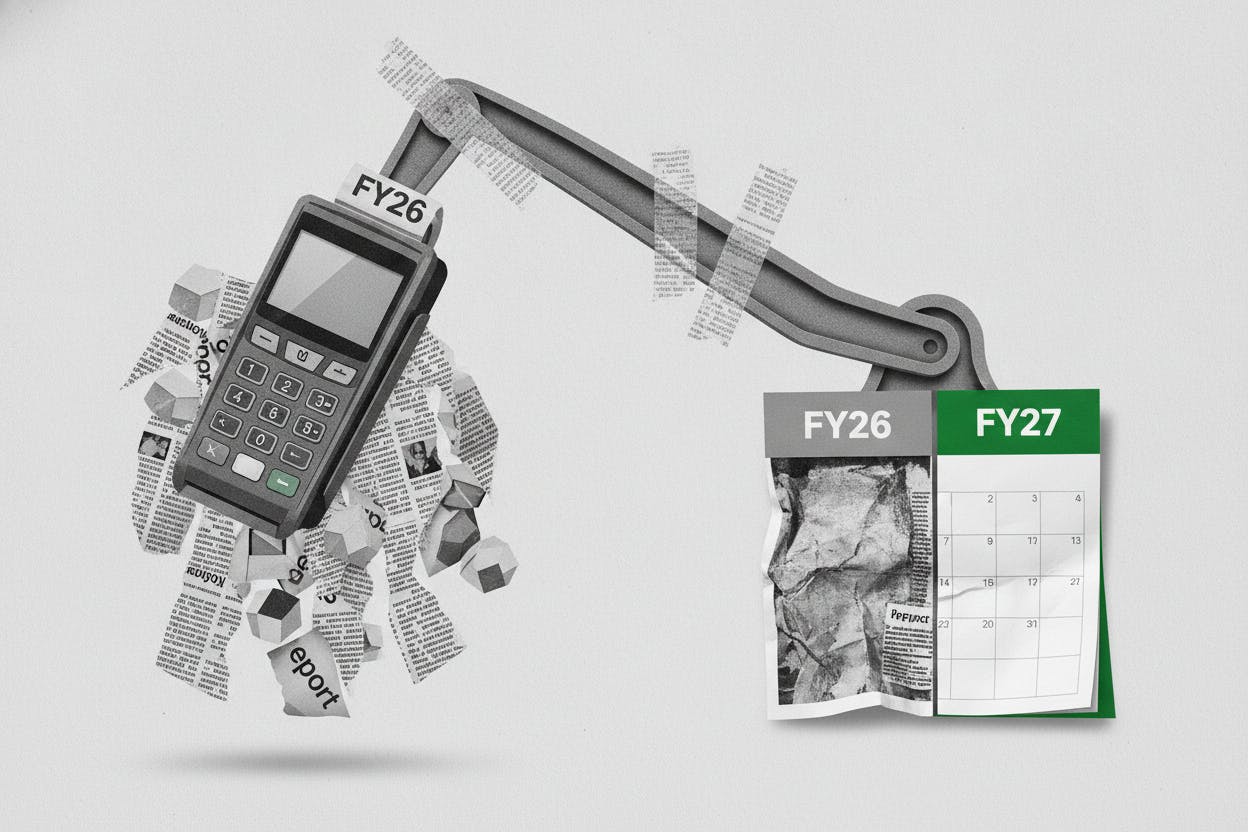
Fiserv, the payments and financial technology giant, is bracing for a bumpy 2026, according to analysts at RBC Capital Markets. The investment bank warns that the company's multi-year transition will hit its toughest stretch next year, with heavier spending and customer attrition in its legacy Core business squeezing margins. But RBC also sees a brighter 2027, when operating leverage could re-emerge as the newly installed CEO considers a broader review of what to keep, fix, or sell.
What's driving the near-term pain?
Fiserv is in the middle of a significant transformation, and RBC expects the most difficult phase to be front-loaded into fiscal 2026. The company is investing heavily in new products and technology, which tends to weigh on profitability in the short term even if revenue holds up. At the same time, Fiserv's legacy Core business—the software that banks and credit unions use to manage accounts—is seeing customer attrition, as some clients migrate to newer platforms or competitors.
This combination of rising costs and shrinking legacy revenue can squeeze margins, a dynamic that often unsettles investors. The broader economic backdrop, which remains choppy with interest rates still elevated and consumer spending patterns shifting, adds another layer of uncertainty. For a company like Fiserv, which processes payments for millions of merchants and financial institutions, any slowdown in transaction volumes can ripple through its results.
Why 2027 could look different
RBC's key point is what comes next. The bank expects operating leverage to re-emerge in fiscal 2027. Operating leverage occurs when a company's costs grow more slowly than its revenue, so each additional dollar of sales drops more to the bottom line. If Fiserv can get its spending under control while revenue continues to grow, profit margins could expand meaningfully.
A central piece of that story is the new CEO, who is reportedly weighing a broader asset review. That could mean divesting non-core businesses, fixing underperforming units, or selling off assets that no longer fit the company's strategic direction. Such a review often signals a more disciplined approach to capital allocation, which investors tend to welcome if it leads to higher returns or a leaner portfolio.
This is not an unusual move for a new leader. Many incoming CEOs conduct a strategic review in their first year to reset priorities and set the stage for long-term growth. The risk is that the process can be disruptive, but the potential payoff is a more focused company with better profitability.
What it means for investors
For everyday investors, the takeaway is that Fiserv's stock could face headwinds in the near term, but the longer-term picture may be more attractive. If you're a long-term holder, the key is to watch how the company executes on its transition and whether the new CEO's asset review leads to meaningful changes.
RBC's view suggests that patience could be rewarded, but it's not without risk. The company's ability to stabilize its Core business, manage spending, and navigate a tough economic environment will be critical. Investors should also keep an eye on broader trends in the payments industry, where competition is intense and technology shifts are constant.
This story fits into a larger pattern we've seen across the tech and payments sectors. Companies are investing heavily in AI and digital infrastructure, which can pressure near-term profits. For instance, Alphabet's AI spending spree spooked investors despite an earnings beat, and AI stocks slipped despite strong results as spending and lock-up worries weighed. Similarly, MercadoLibre posted record revenue but profit slipped on spending, showing that growth often comes with a cost.
For Fiserv, the question is whether the spending will pay off in 2027 and beyond. RBC seems to think it will, but investors should be prepared for a volatile ride in the meantime. As always, it's wise to consider how this fits into your overall portfolio and risk tolerance, rather than making any hasty moves based on a single analyst's forecast.
The bottom line
Fiserv's 2026 is shaping up to be messy, but the potential for operating leverage in 2027 offers a glimmer of hope. The new CEO's asset review could be a catalyst for change, but execution will be key. For now, investors should watch for updates on the review and any signs that the Core attrition is slowing. The payments industry is evolving rapidly, and Fiserv's ability to adapt will determine whether it can turn its current challenges into future growth.