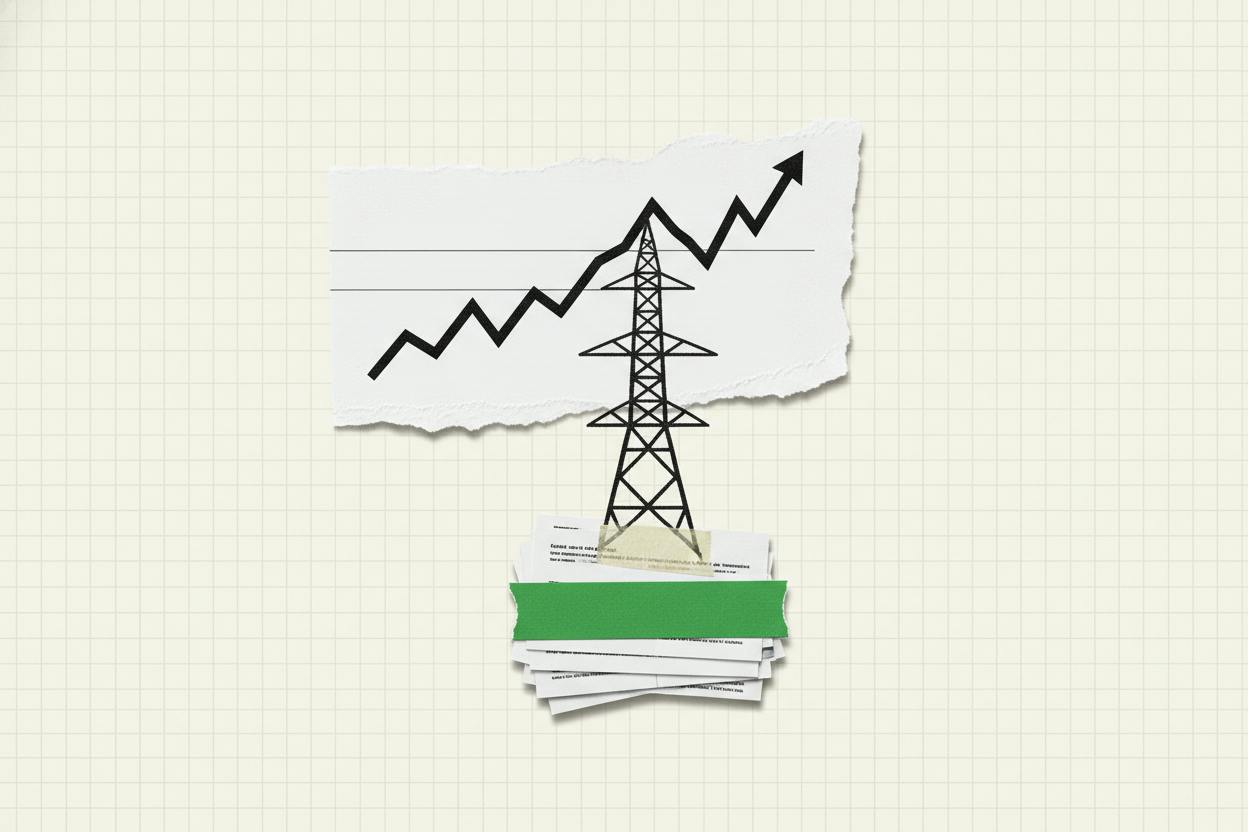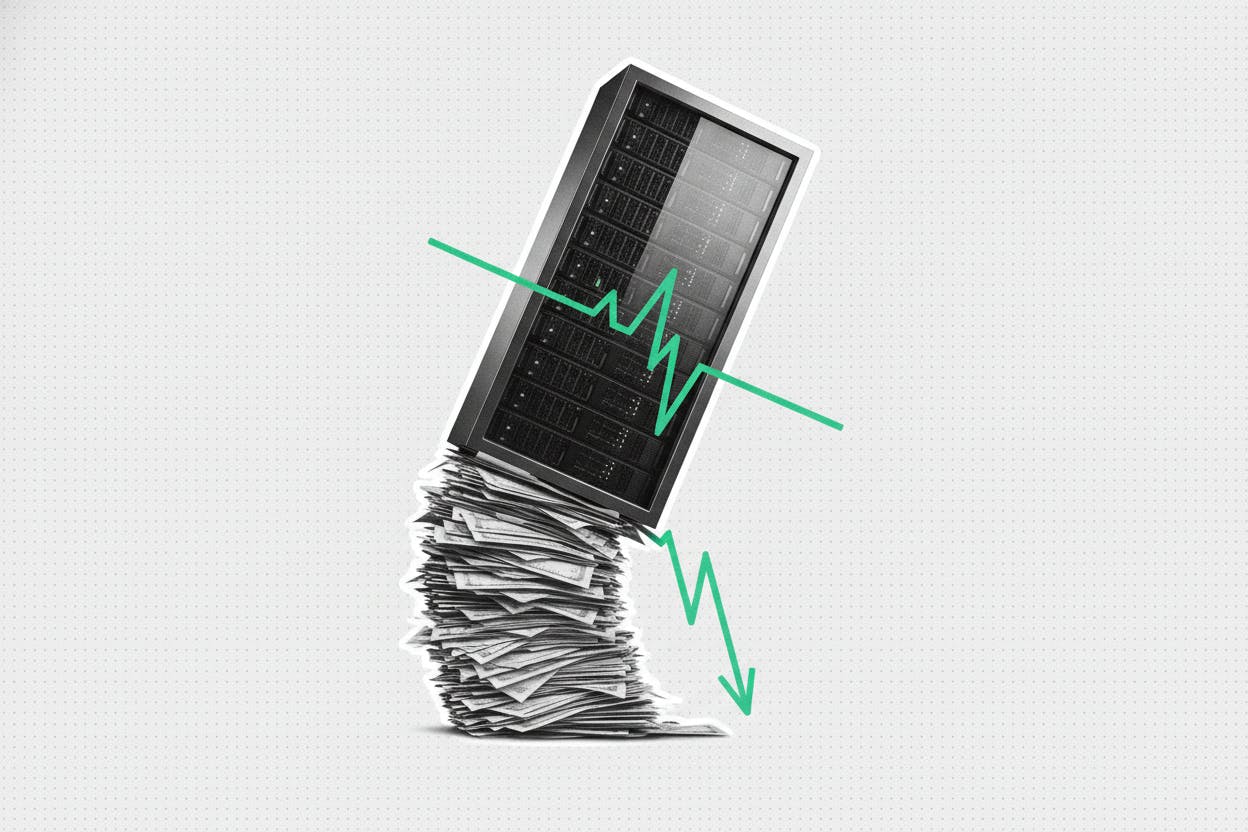
Fitch Ratings, one of the world's major credit ratings agencies, has issued a warning that the artificial intelligence boom is starting to look like a potential credit risk. In a new report, Fitch says that the rapid increase in AI-related spending, much of it financed by debt, combined with lofty valuations for tech stocks, could lead to a sharp pullback that would hit both financial markets and the broader economy.
What Fitch is worried about
Fitch's concern centers on a familiar pattern in financial history: a wave of enthusiasm leads to heavy borrowing and high asset prices, and when sentiment shifts, the unwinding can be painful. In this case, the enthusiasm is around AI, which has driven a surge in capital spending by big tech companies on data centers, chips, and cloud infrastructure. Much of that spending is being funded by issuing bonds and taking on other debt.
At the same time, stock prices for companies seen as AI winners have soared, pushing valuations to levels that Fitch considers stretched. If investor confidence in AI's near-term profit potential fades, a sell-off in those stocks could tighten credit conditions—not just for tech firms, but for companies across the economy that rely on debt markets for financing.
"A pullback could hit markets and the real economy," Fitch warned, as AI spending and debt issuance climb quickly. The agency's analysis suggests that a correction in AI-related assets could lead to higher borrowing costs and reduced access to capital for a wide range of businesses.
Why this matters for everyday investors
For ordinary investors, this warning is a reminder that even exciting technologies can create financial risks. The AI boom has been a major driver of stock market gains over the past year, but Fitch's report highlights the potential downside: if the bubble deflates, it could spill over into the broader economy.
Investors should understand that credit ratings agencies like Fitch assess the risk of default on debt. When they flag a sector as a potential credit risk, it often means they see a higher chance that companies in that sector will struggle to repay their loans or bonds. That can lead to downgrades, which in turn make it more expensive for those companies to borrow.
The warning also ties into broader market dynamics. For example, Moody's recently reported a surge in profit driven by strong bond issuance, showing that debt markets have been active. But if AI-related debt turns sour, that could change quickly.
What to watch next
Fitch's warning doesn't mean a crash is imminent, but it does suggest that investors should pay attention to how AI companies are funding their growth. Key indicators to watch include corporate bond yields for tech companies, earnings reports from major AI spenders, and any signs that banks are tightening lending standards.
Another factor is the broader economic backdrop. If interest rates stay high, the cost of servicing debt becomes heavier, making highly leveraged companies more vulnerable. The Federal Reserve's next moves on rates will be crucial in determining how easily companies can refinance their debt.
For now, Fitch's report is a cautionary note, not a call to panic. But it underscores that the AI story, while transformative, is not without financial risks. Investors who understand those risks are better positioned to navigate whatever comes next.