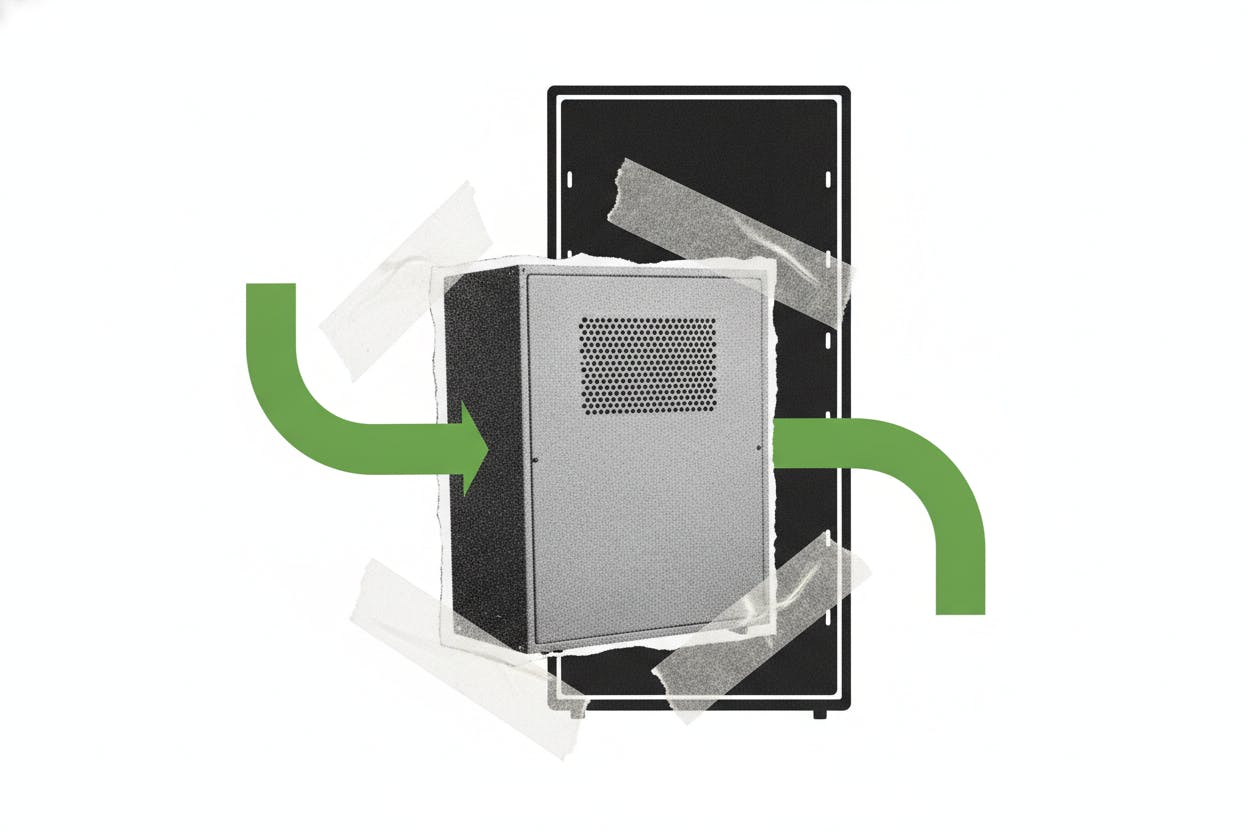
Dealmaking remained brisk on Tuesday as Flex, a major electronics manufacturing services company, agreed to acquire EPC Power for $4.4 billion. The transaction was part of a packed mergers and acquisitions roundup that also saw private equity giants KKR and EQT pursue deals in healthcare and insurance.
For everyday investors, the flurry of activity is a reminder that corporate dealmaking often reflects where money is flowing in the broader economy. In this case, much of that money is heading toward the infrastructure that powers artificial intelligence—even if the companies involved aren't household names.
What Flex and EPC Power do
Flex, headquartered in Austin, Texas, is one of the world's largest electronics manufacturing services providers. It designs and builds products for other companies, ranging from medical devices to data center equipment. Think of it as the behind-the-scenes manufacturer that helps tech giants bring their hardware to market.
EPC Power, the target in this deal, specializes in power conversion technology—specifically, inverters that help connect renewable energy sources like solar to the electric grid. These devices are essential for managing the flow of electricity, especially as data centers and AI computing drive up energy demand.
By acquiring EPC Power, Flex is betting that the need for reliable, efficient power infrastructure will only grow. The deal also highlights how the AI boom isn't just about chips and software; it's also about the physical systems that keep data centers running.
A broader wave of dealmaking
Flex's acquisition wasn't the only notable move. KKR, one of the largest private equity firms, continued its healthcare push, while EQT, a Swedish investment firm, targeted the insurance sector. These deals suggest that investors are still willing to put large sums of money to work, even in an environment of higher interest rates.
Private equity firms like KKR and EQT typically buy companies, improve their operations, and later sell them for a profit. Their activity can be a signal of confidence in certain industries. Healthcare and insurance are often seen as stable, recession-resistant sectors, which makes them attractive targets.
For context, KKR has been particularly active recently. In a separate development, the firm agreed to buy A1 Garage Door Service for about $2 billion, another sign that private equity is finding opportunities across a wide range of businesses.
What it means for investors
For the average investor, this deal news offers a few takeaways. First, it underscores the importance of looking beyond the most obvious AI plays. While companies like Nvidia grab headlines—and indeed, Nvidia is reportedly in talks to buy Hugging Face for nearly $13 billion—much of the AI supply chain is made up of less glamorous firms like Flex.
Second, M&A activity can be a positive sign for the overall economy. When companies are willing to make large acquisitions, it often indicates they have confidence in future growth. However, it's also worth noting that deals can fail to deliver the expected benefits, and integrating a new company can be challenging.
Finally, the move into power infrastructure highlights a growing bottleneck for AI: electricity. Data centers consume enormous amounts of power, and the grid needs to be upgraded to handle the load. Companies that provide the equipment to make that happen could benefit, but investors should always do their own research before making any decisions.
As the day's dealmaking shows, the AI boom is creating ripples across many sectors. Whether it's a manufacturer buying a power company or a private equity firm snapping up a service business, the money is moving—and that's often a story worth watching.



