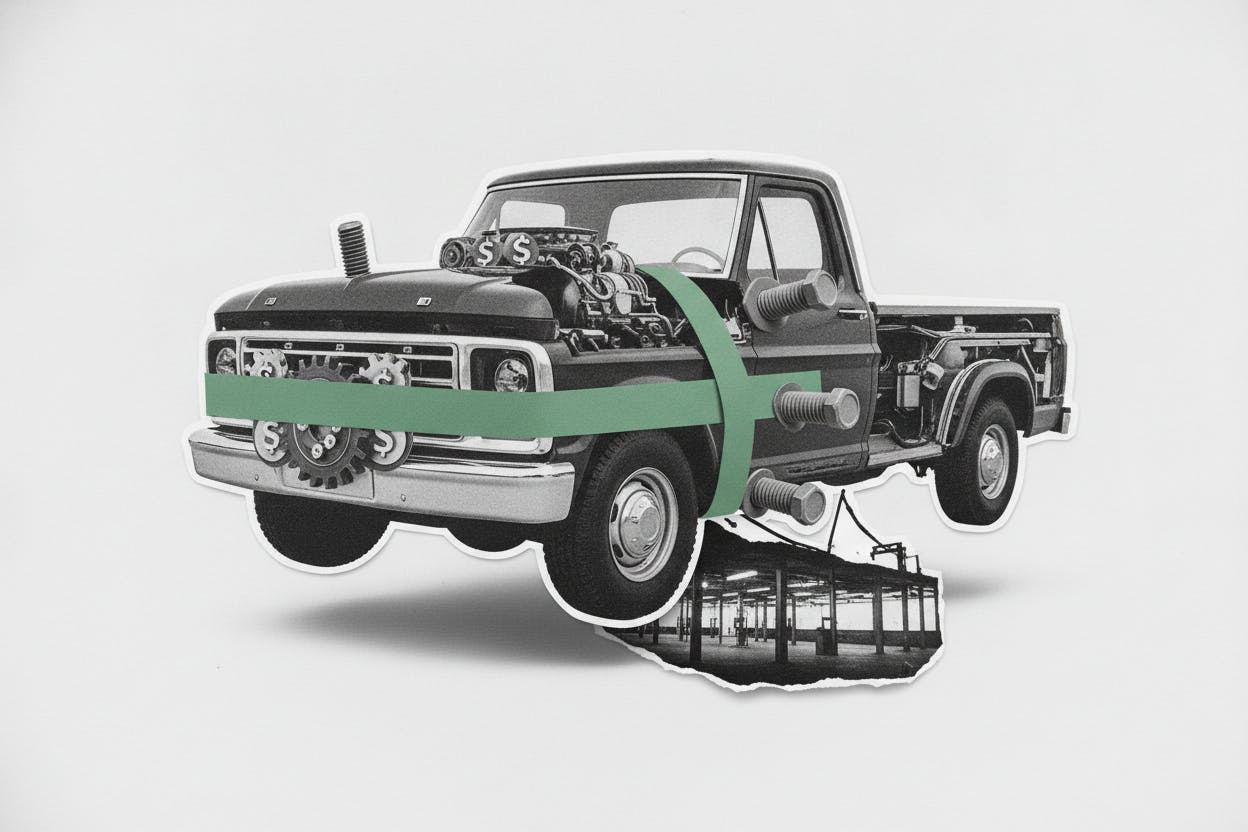
Ford Motor Company raised its 2026 profit forecast for the third time this year, signaling that strong pricing power and aggressive cost-cutting are helping the automaker navigate a tricky environment of tariffs, production disruptions, and heavy spending on electric vehicles.
The Dearborn, Michigan-based company now expects earnings before interest and taxes (EBIT) of $10 billion to $11 billion in 2026, up from a previous range of $8.5 billion to $10.5 billion set in April. At the start of the year, Ford had guided for $8 billion to $10 billion. The steady upward revisions reflect a business that is still heavily reliant on its traditional gasoline-powered trucks and SUVs, which continue to generate the bulk of the company's cash.
What drove the upgrade
Ford's latest guidance boost comes after a stronger-than-expected second quarter. Core profit rose nearly 20% to $2.5 billion, while adjusted earnings came in at 42 cents per share, beating the consensus estimate of 35 cents from LSEG. Revenue reached $48.3 billion for the quarter.
The company credited better pricing on its vehicles and a leaner cost structure for the improved performance. Like other legacy automakers, Ford has been working to streamline operations, cut waste, and reduce complexity in its manufacturing footprint. These efforts are starting to show up in the numbers, even as the broader industry faces headwinds from rising material costs and supply chain snags.
Tariffs remain a significant overhang. Ford has warned that import duties on steel and aluminum, as well as potential new tariffs on vehicles assembled in Mexico and Canada, could add billions to its cost base. So far, the company has been able to offset some of that pressure through pricing and efficiency gains, but the risk remains elevated as trade policy continues to shift.
EV losses still weigh
Ford's electric vehicle unit, known as Model e, continues to bleed cash. The division posted a deep operating loss in the quarter, as the company invests heavily in new EV models and battery production capacity while facing intense price competition from Tesla and Chinese rivals like BYD.
Ford has said it expects its EV business to lose about $5 billion this year, though it aims to reach profitability on its next-generation electric vehicles by late 2026 or early 2027. The company is betting that lower battery costs, higher production volumes, and a more streamlined lineup will eventually turn the tide. For now, the profits from its gas-powered F-Series pickups and Bronco SUVs are effectively subsidizing the EV transition.
This dynamic is not unique to Ford. Most traditional automakers are grappling with the same challenge: how to fund expensive electrification efforts while maintaining healthy margins on their legacy combustion-engine vehicles. The difference for Ford is its heavy reliance on the highly profitable pickup truck segment, which gives it more breathing room than some rivals.
What it means for investors
For everyday investors, Ford's repeated upward revisions to its profit outlook are a positive signal that the company's core business remains resilient. The ability to beat earnings estimates and raise guidance in the face of tariffs and EV losses suggests management has a handle on costs and pricing.
However, the stock remains sensitive to the broader economic cycle. If the U.S. economy slows or consumer spending weakens, demand for big-ticket items like trucks and SUVs could soften. Rising interest rates also make auto loans more expensive, which can dampen sales. Investors should also keep an eye on the pace of Ford's EV ramp-up, as any delays or cost overruns could pressure margins.
Ford's latest update comes amid a busy earnings season for the auto industry. Rivals like General Motors and Stellantis are also reporting results, and the sector as a whole is navigating a complex mix of supply chain improvements, lingering chip shortages, and shifting consumer preferences. For context, other companies have also been raising their outlooks recently, including Hubbell, which cited data center demand, and Xylem, which benefited from AI-related water infrastructure needs. Meanwhile, Royal Caribbean trimmed its revenue view but lifted its profit forecast on strong onboard spending.
Ford shares have been volatile this year, reflecting the tug-of-war between strong current profits and uncertainty about the future. The company's ability to keep raising its guidance suggests that, for now, the cash cow is still mooing loudly enough to fund the electric transition.