Ford Motor Company has once again lifted its profit forecast for the year, leaning on steady demand for its F-150 pickup and other trucks to offset headwinds from tariffs and its money-losing electric vehicle business.
The Dearborn, Michigan-based automaker now expects full-year earnings before interest and taxes (EBIT) of $10 billion to $11 billion, up from the $8.5 billion to $10.5 billion range it set in April. The revision comes after second-quarter EBIT came in at roughly $2.5 billion, beating internal expectations.
Why Ford is raising guidance
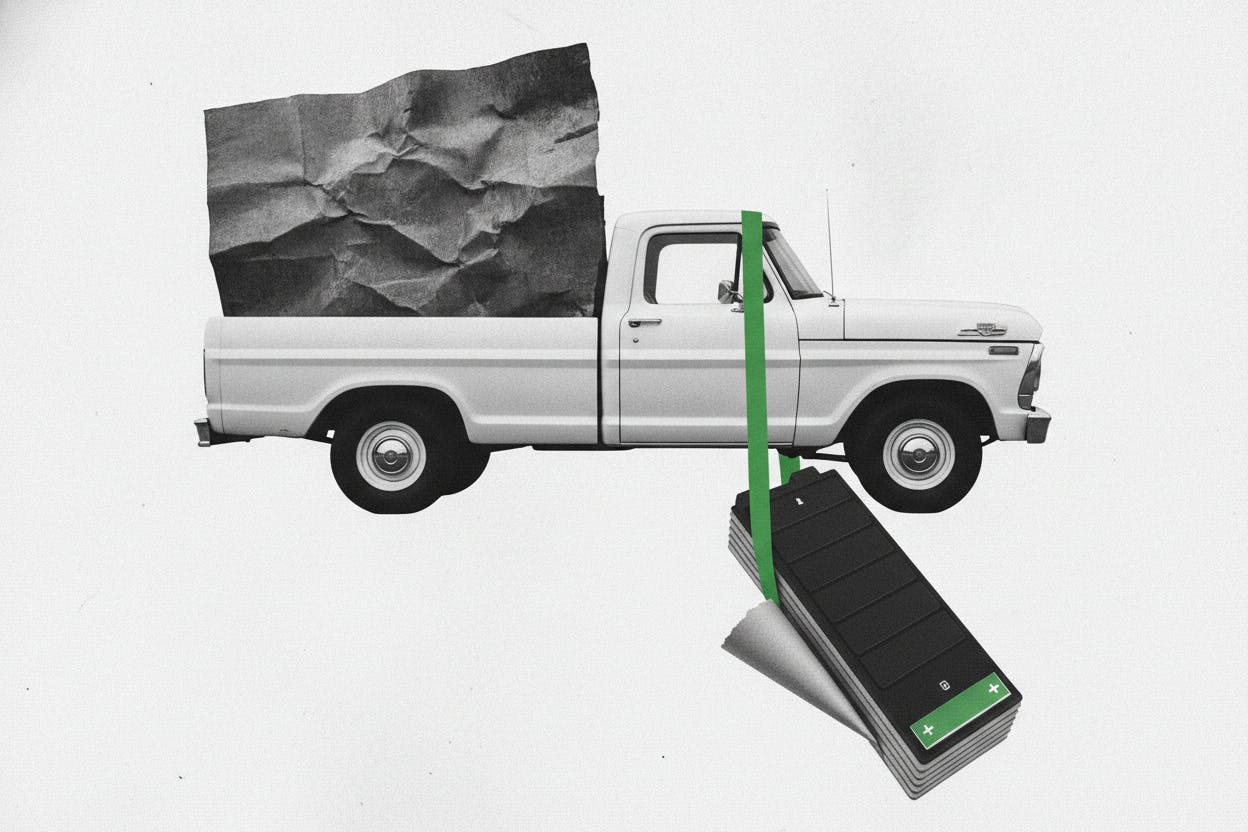
Ford's core business remains its lineup of gasoline-powered trucks and SUVs, which generate the bulk of its profits. The company said strong U.S. demand for these vehicles is helping it absorb higher costs from tariffs on imported steel and aluminum, as well as ongoing losses in its Model e electric vehicle and software division.
Management noted that the EV unit is still on track to lose about $4 billion for the full year, as the company invests heavily in new electric models and battery production capacity. That drag is significant, but Ford's truck sales are proving resilient enough to keep overall profitability on an upward trajectory.
The quarter also highlighted the uneven nature of Ford's business. While operating profit improved, the company reported a net loss for the period due to a large one-time charge. Such charges are not uncommon in the auto industry and often relate to restructuring, pension adjustments, or write-downs on assets.
Tariffs and trade uncertainty
Tariffs remain a persistent challenge for Ford and other automakers that rely on global supply chains. The U.S. has maintained tariffs on imported steel and aluminum, and there is ongoing uncertainty about potential new duties on vehicles and parts from Mexico and Canada under the USMCA trade agreement.
Ford has been working to mitigate these costs through supply chain adjustments and cost-cutting measures, but the company has warned that tariffs will continue to weigh on margins. The fact that Ford can still raise its profit forecast despite these pressures underscores the strength of its truck franchise.
For context, Ford's F-Series trucks have been the best-selling vehicles in the United States for decades. These vehicles carry high transaction prices and generate substantial profit per unit, giving Ford a buffer that some competitors lack.
What it means for investors
For everyday investors, Ford's updated guidance signals that the company's core business is performing well, even as it navigates a costly transition to electric vehicles. The raised forecast suggests management is confident that truck demand will remain robust through the rest of the year, which could support the stock price.
However, investors should also note the risks. The EV unit's losses are substantial and are expected to continue for the foreseeable future. If truck demand softens or if tariffs escalate further, Ford's profitability could come under pressure. The company's net loss in the quarter, driven by that one-time charge, is a reminder that headline earnings can be volatile.
Ford's situation is similar to other industrial companies that are balancing legacy profits with new technology investments. For example, FirstEnergy recently reported a profit rise as data center demand surged, showing how traditional businesses can benefit from new trends. Meanwhile, Veralto raised its 2026 profit outlook on steady water utility demand, another case of a mature industry finding growth.
In the auto sector, the key question is how quickly Ford can make its EV business profitable. The company has delayed some EV investments and is focusing on hybrids as a bridge technology. Investors will want to watch for updates on EV production costs, battery supply deals, and consumer adoption rates.
Ford's latest forecast also comes amid a broader trend of companies raising guidance on strong demand. NXP Semiconductors recently beat Q3 sales forecasts as AI demand expanded, and ASM International raised its 2027 sales target on AI chip demand. While Ford is not a tech company, the same underlying theme applies: companies with strong product demand are able to raise their outlooks despite cost pressures.
Looking ahead
Ford's next major update will come with its full second-quarter earnings report, due later this month. Investors will be looking for details on truck margins, EV losses, and any new guidance on tariffs. The company's ability to maintain its profit forecast through the rest of the year will depend on how these factors play out.
For now, the raised EBIT outlook is a positive sign for Ford shareholders, but it does not eliminate the structural challenges the company faces. The transition to electric vehicles is expensive and uncertain, and tariffs are a wild card. Ford's truck business is a powerful engine, but even the strongest engine needs a clear road ahead.