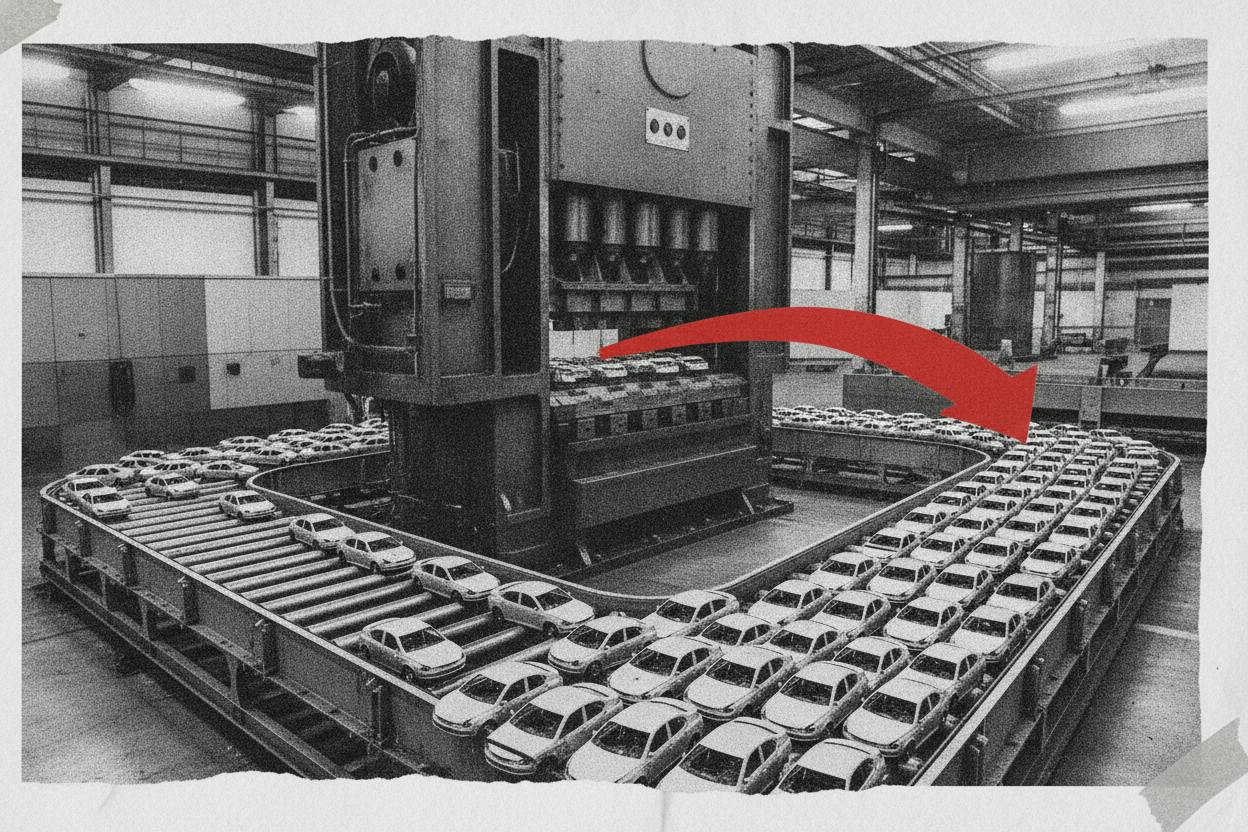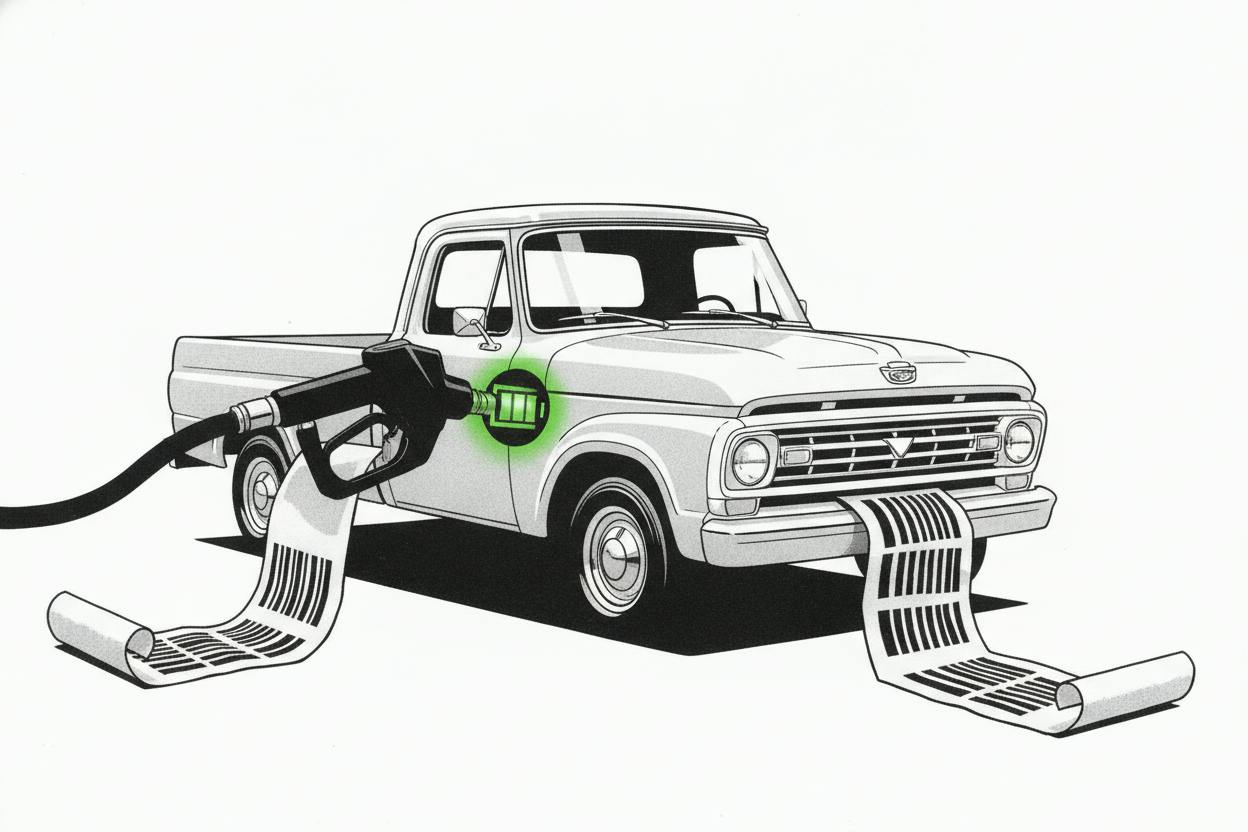
Ford's US sales fell 6.6% in the third quarter, but the decline wasn't the whole story. While overall volume slipped, the automaker's hybrid models—including the F-150 and Maverick—saw stronger demand as gasoline prices climbed. The mixed picture highlights how shifting consumer priorities and a changing product lineup are reshaping Ford's sales trajectory.
Why sales dipped
The drop wasn't simply a sign of weaker demand. Ford is in the middle of a lineup transition, phasing out the Escape and Lincoln Corsair crossovers. That pulled down total volume, even as other models held up or gained ground. When a company discontinues popular models, it's normal for overall sales to take a temporary hit until replacements ramp up.
At the same time, the cost of owning a vehicle has gotten tougher. According to AAA, regular gas averaged $4.43 a gallon in September, up sharply from $3.20 a year earlier. That's a meaningful jump for household budgets, and it's changing how shoppers think about their next purchase.
Meanwhile, Cox Automotive, an auto data firm, pegged the average new-vehicle transaction price at $50,089 in August. That's a hefty number, and it's pushing buyers to focus less on the sticker price and more on the monthly payment—and on fuel costs over time.
Hybrids as the sweet spot
That combination is nudging shoppers toward hybrids. Models like the F-150 PowerBoost and the Maverick hybrid offer better fuel economy without the range anxiety or charging infrastructure concerns that some buyers still have with fully electric vehicles. For many, a hybrid feels like a practical middle ground: lower fuel bills, but no need to plug in.
Ford's hybrid sales growth is part of a broader trend. As gas prices rise, interest in fuel-efficient vehicles typically increases. And while fully electric vehicles are gaining traction, hybrids remain a popular choice for buyers who want to save at the pump without changing their driving habits.
This dynamic isn't unique to Ford. Other automakers are also seeing hybrid demand hold up, even as EV growth slows in some markets. For example, UK EV sales hit a September record recently, but hybrids are still a significant part of the mix there too.
What it means for investors
For investors, Ford's quarter is a reminder that the auto industry is in a period of transition. Sales numbers can be misleading when a company is changing its lineup, so it's important to look beyond the headline figure.
Hybrid strength is a positive signal. It shows Ford can adapt to consumer preferences and capture demand in a key segment. But it also highlights the pressure on automakers to balance affordability, fuel efficiency, and the shift to electric vehicles.
The broader economic backdrop matters too. With gas prices elevated and vehicle prices near record highs, consumer spending on big-ticket items like cars could face headwinds. That's something to watch in the coming months, especially as US payrolls missed in September, which could affect consumer confidence and spending.
Ford's next earnings report will likely provide more detail on profitability, especially for its hybrid and EV lines. Investors will also be watching how the company manages its lineup transition and whether it can maintain pricing power in a competitive market.
For now, the takeaway is that Ford's sales dip isn't a straightforward story of weakening demand. It's a mix of product changes and shifting consumer priorities—and hybrids are helping keep the engine running.