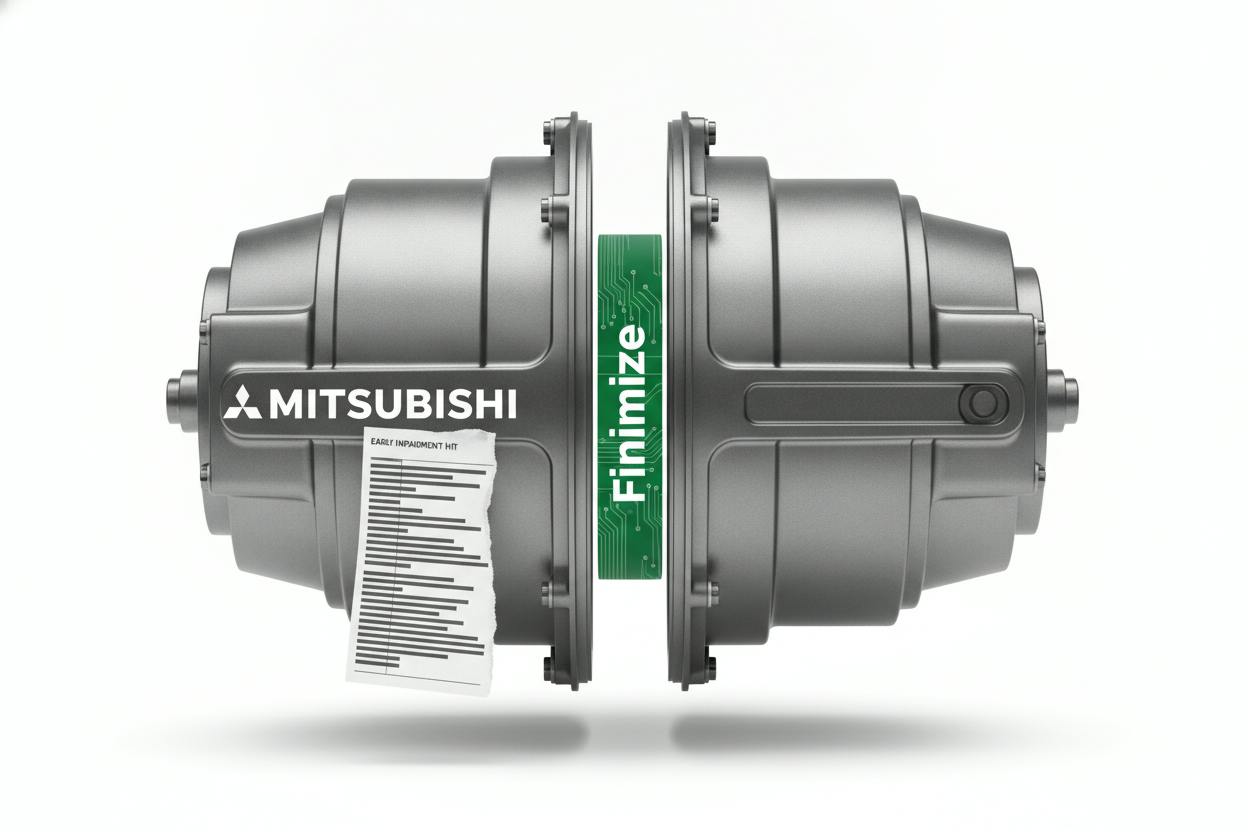
Foxconn, the Taiwanese electronics giant best known for assembling iPhones, is making a major move into the electric vehicle supply chain. The company, formally called Hon Hai Precision Industry, said it will pay ¥115 billion (roughly $770 million) to acquire a 50% stake in Mitsubishi Electric Mobility, a Japanese maker of EV powertrains and vehicle software. The two companies plan to run the business together once the deal closes on October 1, 2027.
Mitsubishi Electric Mobility is a subsidiary of Mitsubishi Electric, a sprawling Japanese industrial conglomerate that makes everything from air conditioners to factory automation gear. The unit builds key components for electric vehicles, including powertrains—the motor and related hardware that actually move the car—and the software that controls them. By taking half of that business, Foxconn is signaling that it wants to be more than just a contract manufacturer for consumer electronics.
Why Foxconn is buying into EVs
Foxconn has been trying for years to expand beyond its core business of assembling gadgets for Apple and other tech brands. The company has made no secret of its ambition to become a major player in electric vehicles, even launching its own EV platform and courting automakers as clients. But breaking into the automotive industry is tough, because carmakers are used to controlling their own supply chains and are wary of handing critical technology to outsiders.
This deal gives Foxconn a foothold in a key part of the EV supply chain. Powertrains and vehicle software are two of the most valuable and complex components in an electric car, and they are areas where Mitsubishi Electric has deep engineering expertise. By partnering rather than buying outright, Foxconn gets access to that know-how while sharing the risk with a seasoned industrial player.
For Mitsubishi Electric, the deal is a way to raise cash and share the cost of developing next-generation EV technology. The auto industry is in the middle of a costly transition to electric vehicles, and even large suppliers are feeling the pressure to invest heavily in new products. Joint ventures are a common way for companies to pool resources and spread the financial burden.
What it means for investors
For everyday investors, this deal is a reminder that the shift to electric vehicles is creating winners and losers across the global supply chain. While much of the attention has been on automakers like Tesla and BYD, the companies that make the parts and software inside EVs are also positioning themselves for growth.
Foxconn's move is part of a broader trend of technology companies pushing into the automotive sector. As cars become more like computers on wheels, the line between electronics manufacturing and carmaking is blurring. That could open up new revenue streams for companies like Foxconn, but it also brings new risks, including exposure to the cyclical nature of the auto industry and the intense competition in EV components.
For investors holding Foxconn stock, the deal is a sign that management is serious about diversifying. But it's worth noting that the transaction won't close until late 2027, so any benefits are still years away. For investors in Mitsubishi Electric, the deal provides some clarity about the future of its mobility unit, but it also means giving up control of a business that could be central to the company's long-term strategy.
The timing of the deal is also notable. It comes as the global EV market is growing, but at a slower pace than many had hoped. Automakers are grappling with high costs, charging infrastructure gaps, and shifting consumer demand. That makes partnerships like this one more attractive, as they allow companies to share the burden of innovation without betting the whole company on a single bet.
In the broader context, this deal is part of a wave of consolidation and collaboration in the EV supply chain. Similar moves have been seen across the industry, from battery makers forming joint ventures with automakers to software firms teaming up with traditional parts suppliers. For investors, it's a sign that the EV revolution is not just about flashy new cars—it's also about the less glamorous but equally important business of making the components that go into them.
As the deal moves toward its 2027 closing, investors will be watching to see how Foxconn integrates Mitsubishi Electric Mobility into its broader EV strategy. The company has said it wants to be a one-stop shop for automakers, offering everything from design to manufacturing. If this partnership works, it could give Foxconn a stronger position in a market that is expected to grow for decades.
For now, the deal is a clear signal that Foxconn is willing to spend big to become a serious player in the automotive world. Whether that bet pays off will depend on how well the two companies can work together and how quickly the EV market evolves. But for investors, it's a story worth following.



