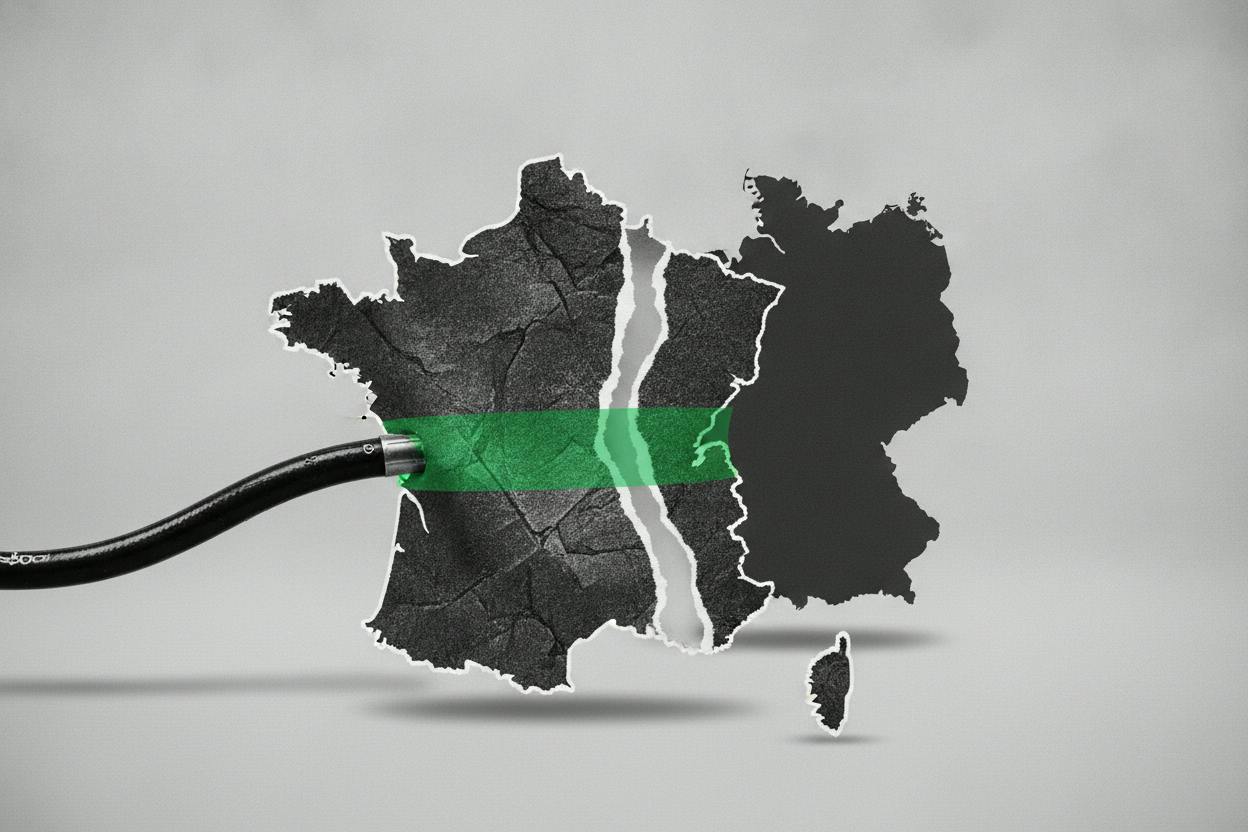
French government bond yields dropped to a six-week low on Tuesday, as a sharp decline in oil prices pulled European borrowing costs down and narrowed the gap between France and its safer neighbor, Germany.
France's 10-year yield briefly touched 4.69% and was last trading around 4.74%, according to Reuters. Germany's 10-year yield, often seen as the eurozone's benchmark, sat near 3.26%. That left the spread—the extra yield investors demand to hold French debt instead of German—at roughly 148 basis points, down from above 170 basis points in October.
The move underscores how energy prices have reasserted themselves as a main driver of European rates. When oil and gas prices cool, investors worry less about near-term inflation, so they demand less extra compensation to lock up money for a decade. Goldman Sachs noted that calmer geopolitical risk can reduce the "risk premium" embedded in crude prices, which in turn takes pressure off bond yields.
Why France's bonds are more sensitive
France sits in the eurozone's "semi-core" bucket: it's viewed as safe, but not as bulletproof as Germany. That means when investors feel better about inflation and global risk, French bonds often rally more than German ones, tightening the spread even if expectations for European Central Bank rate hikes stay relatively firm.
The OAT-Bund spread—named after France's OAT (Obligations Assimilables du Trésor) and Germany's Bund—is a quick way to see how much extra compensation investors want to lend to France rather than Germany. Falling oil prices can reduce inflation anxiety and rate uncertainty, which tends to shrink that extra cushion, especially for countries outside the very top tier.
This dynamic is not unique to France. Across the eurozone, countries with slightly higher perceived risk—such as Italy, Spain, or Portugal—often see their bond spreads tighten when energy prices fall, as investors become more comfortable taking on risk. But France's position as the eurozone's second-largest economy makes its spread a particularly closely watched barometer.
What it means for investors
For everyday investors, the move in French yields is a reminder that energy prices can ripple through bond markets in ways that affect portfolios. When oil falls, it can ease inflation fears, which tends to support bond prices (and lower yields). That can be good news for holders of government bonds, but it also signals that the market is less worried about the ECB having to hike rates aggressively.
However, the flip side is that a fresh jump in crude can widen the gap fast, because it revives inflation fears and makes investors more selective about which government bonds they hold. If energy stays calmer, France's borrowing costs can ease relative to Germany's even without a big change in where traders think the ECB will take short-term rates.
For those with bond funds or ETFs, the spread narrowing means French debt has become relatively more attractive compared with German debt, but it also reflects a broader market mood. Investors should watch oil prices and geopolitical headlines as key signals for European bond markets in the coming weeks.
Related reading: Treasury yields mixed as investors await key inflation data and UAE stocks rise as softer Iran rhetoric cools oil prices.