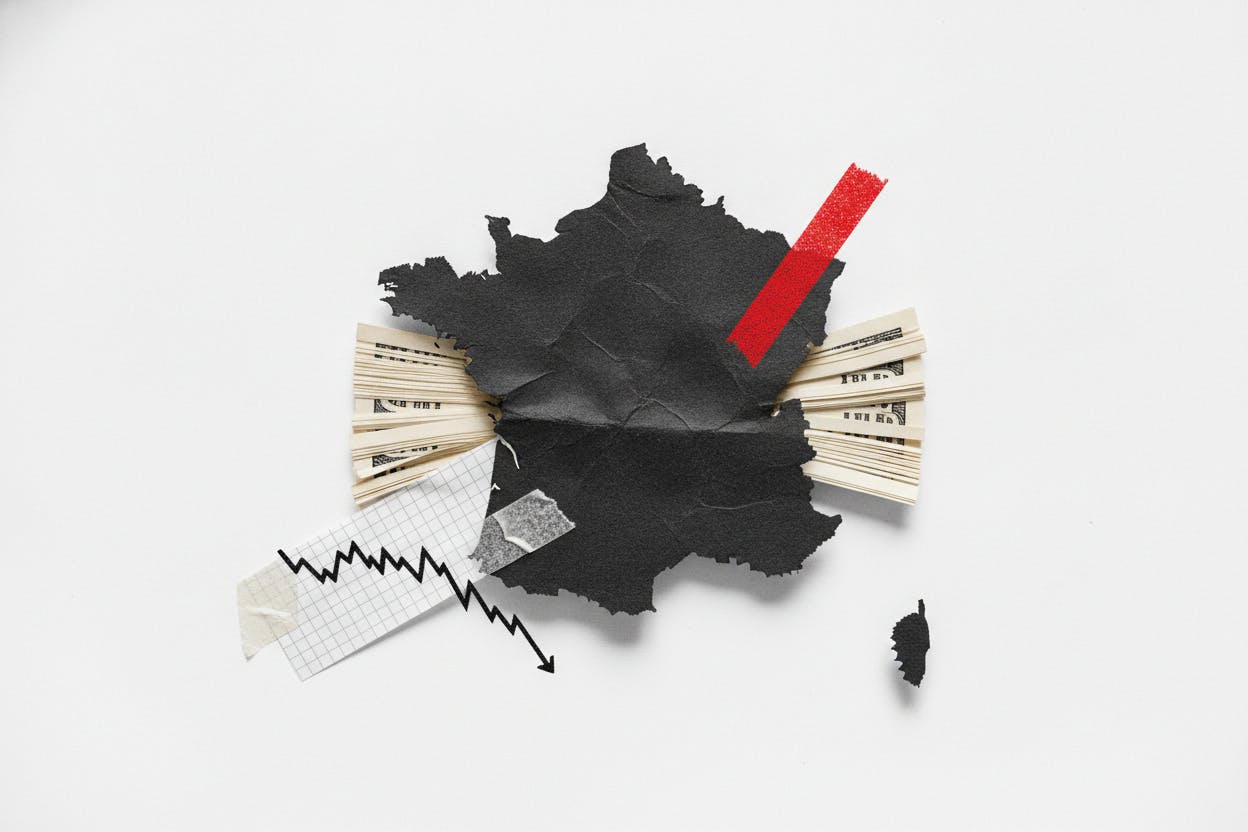
France's main stock index, the CAC 40, fell 1.7% on Tuesday as investors turned their attention to the country's strained public finances. The slide came just before the first presidential debate and a scheduled review of France's credit rating by Fitch, two events that could shape how much it costs the French government to borrow money.
The drop was not isolated to France. The pan-European STOXX 600 index also slipped, down 0.7%, as worries about French politics rippled across the region. But France stood out because its political situation has a direct line to the country's budget and, ultimately, to the interest rates it pays on its debt.
Why politics is moving markets
Investors are not just watching the debate for policy ideas—they are watching for signs of what the next government might do with spending. France already runs one of the larger budget deficits in the eurozone, according to Reuters. Any hint that the election could lead to looser fiscal policy makes bond investors nervous.
When investors worry that a government might spend more than it can afford, they demand a higher yield—essentially a risk premium—to hold that country's bonds. That pushes borrowing costs up for the government, which can then ripple into the wider economy and weigh on stock prices.
The upcoming Fitch rating review adds another layer of uncertainty. Credit rating agencies assess how likely a country is to repay its debts. A downgrade would signal that France's fiscal position is deteriorating, which could make borrowing even more expensive. Investors are bracing for that possibility, and the uncertainty alone is enough to make some of them pull back from French assets.
What this means for everyday investors
For most people, the immediate takeaway is that political events can move markets in ways that feel sudden but are often rooted in fundamentals. A 1.7% drop in a major index is noticeable, but it is not a crash. It is a repricing of risk based on new information—or in this case, the anticipation of new information.
If you hold a diversified portfolio that includes European stocks, you might see some short-term volatility. That is normal. The key is to remember that market moves driven by politics often reverse or stabilise once the uncertainty clears. The debate and the Fitch review will provide more clarity, and investors will adjust accordingly.
For those with exposure to French government bonds, the risk is more direct. If Fitch downgrades France or if the debate suggests looser fiscal policy, bond prices could fall and yields could rise. But again, this is a risk that has been building for some time, and markets have had months to price it in.
Broader market context
The European market's slide on Tuesday was part of a broader risk-off tone, though not all sectors were hit equally. Technology stocks, for example, have been buoyed by strong earnings from companies like Nvidia, which lifted global sentiment earlier in the week. But that momentum was not enough to offset the drag from French political worries.
Elsewhere, energy markets were relatively calm, with oil prices hovering around $82 a barrel. Commodities like zinc saw some cooling as inventories rose. These are separate stories, but they all contribute to the overall market picture.
For investors, the lesson is that markets are always balancing multiple forces. A single event—like a French debate or a rating review—can dominate headlines for a day, but it is rarely the only factor at play. Keeping a long-term perspective and a diversified portfolio remains the most reliable strategy.
What to watch next
The immediate focus will be on the presidential debate and the Fitch review. Any concrete policy proposals that suggest fiscal discipline could calm markets, while promises of big spending could add to the pressure. The rating decision, expected soon, will be a key moment.
Investors should also keep an eye on how other European markets react. If French borrowing costs rise sharply, that could spill over into other eurozone countries with weaker fiscal positions. But if the debate goes smoothly and Fitch holds the rating steady, the current dip could be seen as a buying opportunity.
For now, the message is simple: politics matters for markets, but it is not the only thing that matters. Stay informed, stay diversified, and don't let a single day's move dictate your long-term decisions.



