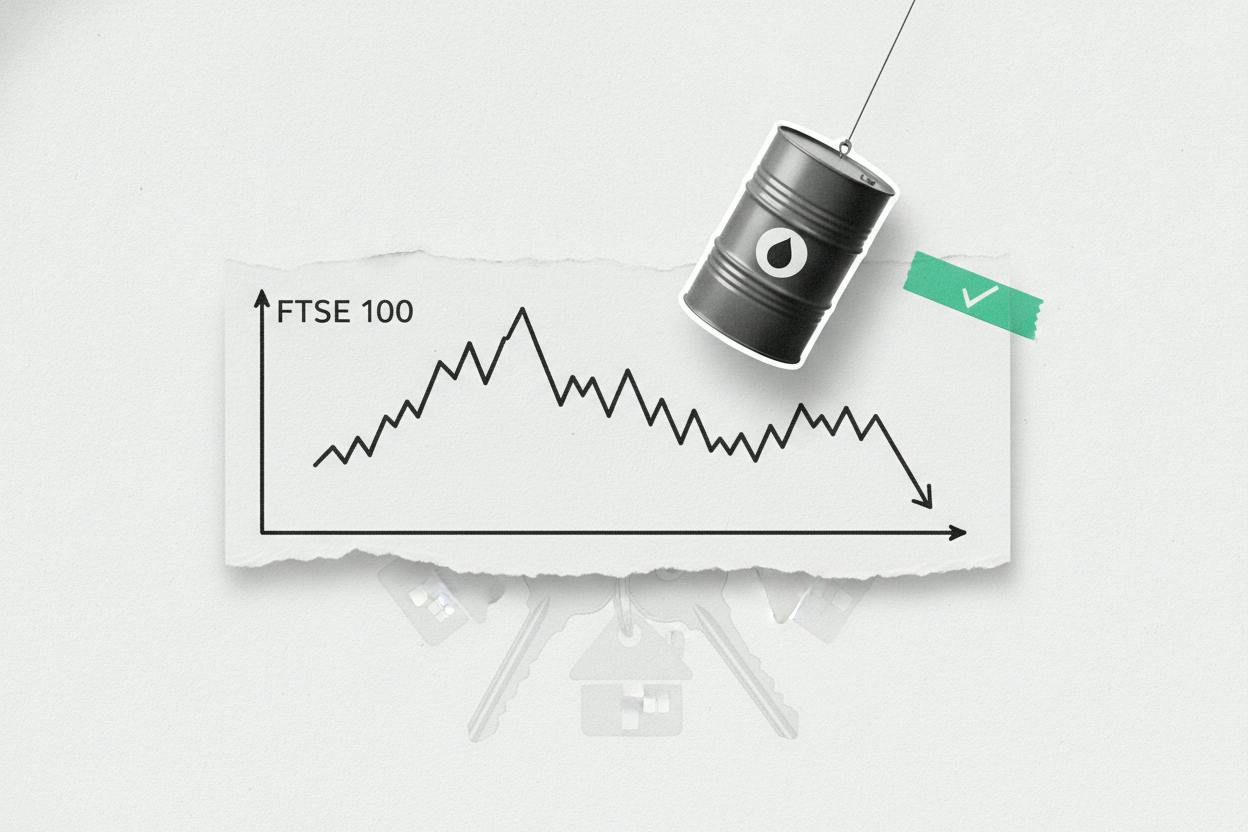
London's FTSE 100 is expected to open higher on Monday, offering a measure of relief after a turbulent week for UK stocks. Futures pointed to a 0.3% gain at the start of trading, as a dip in oil and gold prices raised hopes that diplomatic efforts could de-escalate tensions in the Middle East.
What's driving the move?
The positive start comes after Friday's slide, which left the blue-chip index nursing weekly losses. The key catalyst this morning is a shift in commodity markets: both oil and gold retreated as investors welcomed signs that a UN meeting could pave the way for progress on Iran-related diplomacy.
Oil prices often spike when geopolitical tensions rise, because traders worry about supply disruptions from major producing regions. Gold, meanwhile, is seen as a safe-haven asset that investors buy when they fear conflict or economic uncertainty. When both fall together, it usually signals that the market's anxiety is easing.
For the FTSE 100, this is particularly relevant. The index is heavy with energy and mining companies, whose profits are closely tied to commodity prices. A drop in oil and gold can weigh on those stocks, but the broader market often benefits if it means lower inflation pressure and a more stable global outlook.
Why a rough week matters
The past week was challenging for UK equities, with the FTSE 100 sliding as investors juggled concerns about interest rates, economic growth, and geopolitical risk. A higher open today doesn't erase those worries, but it does suggest that traders are willing to buy the dip, at least for now.
Investors will be watching to see whether the early optimism holds through the session. A sustained rally would need more than just a quiet start; it would require continued progress on the diplomatic front and perhaps some positive economic data.
What it means for investors
For everyday investors, the key takeaway is that markets are still highly sensitive to headlines about conflict and diplomacy. When tensions flare, expect volatility; when there's hope for resolution, expect a bounce. This is a reminder that short-term moves are often driven by sentiment rather than fundamentals.
If you hold a diversified portfolio, a day like today is a good illustration of why that matters. While energy and mining stocks might feel the pinch from lower commodity prices, other sectors—like retailers or banks—could benefit from reduced inflation fears. That's the essence of diversification: not every part of your portfolio moves in the same direction.
Still, it's worth noting that a single day's move doesn't change the bigger picture. The FTSE 100 has been range-bound for months, and geopolitical events can quickly reverse sentiment. Investors should focus on their long-term goals rather than reacting to every daily fluctuation.
Looking ahead
The focus now shifts to the UN meeting and any concrete outcomes from the Iran discussions. If diplomacy appears to be making headway, oil and gold could continue to ease, providing a tailwind for global equities. On the other hand, a breakdown in talks could send prices back up and reignite market jitters.
There's also a busy week of economic data and central bank commentary on the horizon, which could influence rate expectations. As US futures showed, investors are keeping an eye on Federal Reserve speakers and jobs data for clues about the path of interest rates. That matters for UK stocks too, as global rate trends often spill over into London.
For now, the mood is cautiously optimistic. But as any seasoned investor knows, markets can change direction quickly—especially when geopolitics is in the driver's seat.