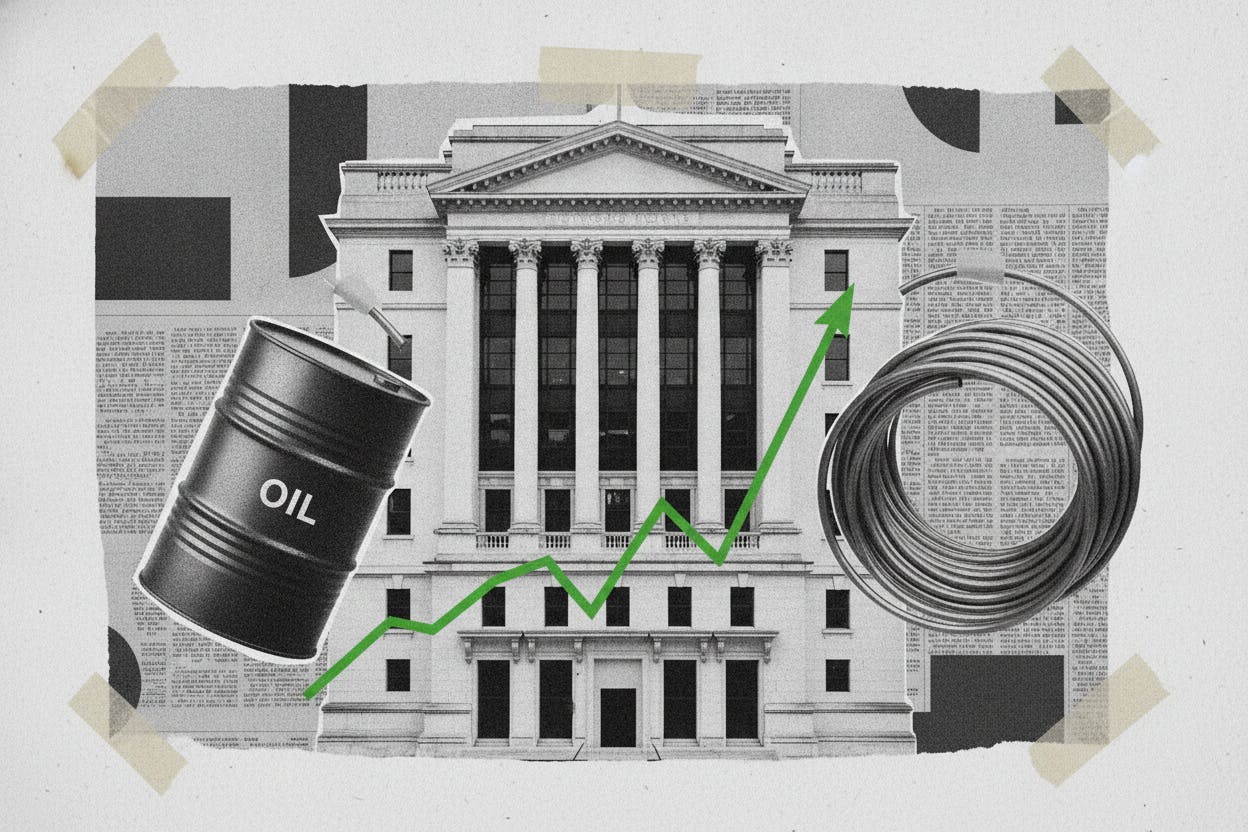
London's blue-chip index shook off a three-day losing streak on Tuesday, as a bumper profit from oil giant BP and a rally in copper prices gave investors a reason to buy. The FTSE 100 edged up 0.3% to 10,886.98 by early morning trading, with heavyweight energy and mining stocks doing most of the heavy lifting.
BP's profit surge
BP, one of the largest companies on the index, saw its shares climb 1% after reporting second-quarter profit that more than doubled to $5.73 billion. The jump was driven by higher energy prices and stronger trading and refining margins, according to the company. The result beat analysts' expectations, providing a bright spot in an otherwise cautious market.
For everyday investors, BP's performance is a reminder that energy companies can be volatile but also highly profitable when commodity prices are favourable. The company's earnings are closely tied to the price of oil and gas, as well as its ability to profit from trading and refining. When those factors align, as they did this quarter, profits can surge.
Copper lifts miners
Meanwhile, copper prices hit two-month highs, giving a boost to London-listed miners such as Rio Tinto, BHP, and Anglo American. Copper is a key industrial metal used in construction, electronics, and increasingly in electric vehicles and renewable energy infrastructure. When its price rises, mining companies' revenues and profits tend to follow, making their shares more attractive to investors.
The rally in copper comes amid hopes of stronger demand from China, the world's largest consumer of the metal, and concerns about supply disruptions in major producing regions. For the FTSE 100, which is heavily weighted towards natural resources, a strong copper price is a significant tailwind.
What it means for the FTSE 100
The FTSE 100 is a market-capitalisation-weighted index, meaning that the largest companies have the biggest influence on its overall movement. This is why a handful of big energy and mining stocks can lift the entire index, even when many other shares are flat or falling. For investors, this concentration means that the index's performance can be heavily swayed by commodity prices and the fortunes of a few sectors.
Tuesday's rebound suggests that investors are finding value in these cyclical stocks, which tend to perform well when the global economy is growing. However, the broader market remains cautious, with concerns about inflation, interest rates, and geopolitical tensions still in the background. Emerging markets have been steady as the AI trade cools and oil rebounds, but the outlook remains uncertain.
What investors should watch
For those with exposure to the FTSE 100, the key drivers to monitor are commodity prices, particularly oil and copper, as well as the earnings reports from the index's heavyweight constituents. BP's strong quarter is a positive sign for the energy sector, but it also raises questions about whether such profits are sustainable if oil prices retreat.
Similarly, the copper rally could continue if global demand holds up, but it could also reverse quickly if economic data disappoints. Investors should also keep an eye on central bank policy, as higher interest rates can weigh on stock valuations and economic growth.
In other markets, Nippon Steel lifted its profit outlook as its US Steel acquisition pays off, and Evonik beat Q2 profit forecasts as Middle East shipping snags shift demand. These stories highlight how individual companies can outperform even in a mixed market.
The bottom line
Tuesday's rebound is a welcome relief for FTSE 100 investors after three days of declines. But it's important to remember that a single day's move doesn't change the broader picture. The index remains sensitive to global economic news, commodity prices, and corporate earnings. For long-term investors, the key is to stay diversified and not get caught up in short-term swings.
As always, past performance is not a guide to future returns, and individual stocks can be more volatile than the index as a whole. If you're unsure about how these developments affect your portfolio, consider speaking with a financial adviser.