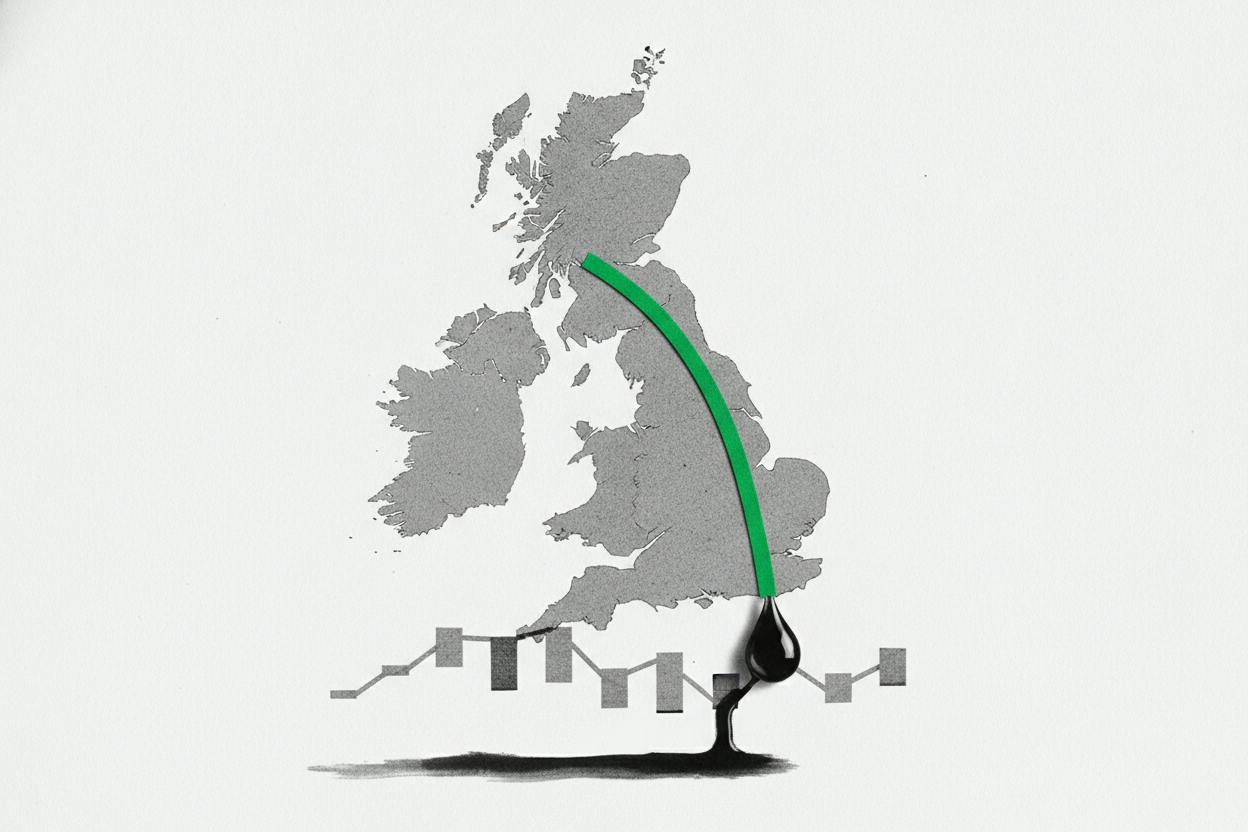
London's FTSE 100 is expected to open Monday with a slight dip, as futures pointed 0.1% lower. The early weakness comes as oil prices tumbled more than 3% after a third straight day of talks between Iran and Qatar, raising hopes of a pause in the US-Israeli war on Iran. For a market heavily weighted toward energy and mining companies, a slide in crude can quickly ripple through the index, even when there's little UK-specific news to drive trading.
Why oil is falling
Crude prices had been supported in recent weeks by fears that the conflict could disrupt supply from the Middle East, a key producing region. That so-called "war premium" helped keep oil elevated. But fresh signs of diplomacy—specifically the ongoing Iran-Qatar discussions—have prompted some investors to unwind those bets, pulling prices down sharply.
For everyday investors, the move is a reminder of how geopolitical headlines can move commodity markets. When tensions ease, prices often retreat just as quickly as they rose. That's exactly what's happening now, with crude dropping more than 3% in a single session.
What it means for the FTSE 100
The FTSE 100 ended last week on a stronger footing, posting its first monthly gain in three months. That rally was helped by drugmaker AstraZeneca and some relief that the latest UK budget looked less tax-heavy than many had feared. But Monday's early mood is being driven by commodities, not domestic politics.
Because the index includes major oil and gas producers, a fall in crude can drag on share prices even if the broader economy is stable. Investors watching the FTSE 100 should keep an eye on oil's trajectory—if prices keep sliding, energy stocks could continue to weigh on the index.
Gold and copper: mixed signals
Elsewhere, gold was a little higher but still near a one-year low. Sticky inflation has kept attention on the Federal Reserve's next move, and higher interest rates tend to make non-yielding assets like gold less attractive. Copper, meanwhile, steadied on supply concerns, offering a slightly different picture from oil.
These cross-currents highlight how different commodities are reacting to the same macro backdrop. For investors, it's a useful reminder that not all assets move in lockstep—diversification across sectors and asset classes can help manage risk.
What investors should watch next
The key question is whether the Iran-Qatar talks lead to a lasting de-escalation or just a temporary pause. If diplomacy falters, oil could quickly rebound, and the FTSE 100's energy heavyweights might recover some ground. On the other hand, if a deal emerges, the war premium could continue to drain out of crude, keeping pressure on the index.
Investors should also monitor the Federal Reserve's policy path. With inflation still sticky, the central bank has signaled it's in no rush to cut rates. That's a headwind for gold and other rate-sensitive assets, but it could also support the dollar and weigh on commodity prices more broadly.
Bottom line
Monday's expected dip in the FTSE 100 is a direct consequence of falling oil prices, driven by hopes for peace in the Middle East. For ordinary investors, it's a reminder that global events—not just UK news—can move your portfolio. While the index has shown resilience recently, commodity swings remain a key risk to watch.
As always, it's wise to stay diversified and avoid making hasty decisions based on a single day's move. The market's direction will depend on how the geopolitical situation evolves and what central banks do next.