London's FTSE 100 is poised to open higher on Wednesday, with futures climbing 0.7% after a 0.5% decline the previous session. The rebound comes as crude oil prices flip direction again, this time on headlines that the US will not ease sanctions on Iran.
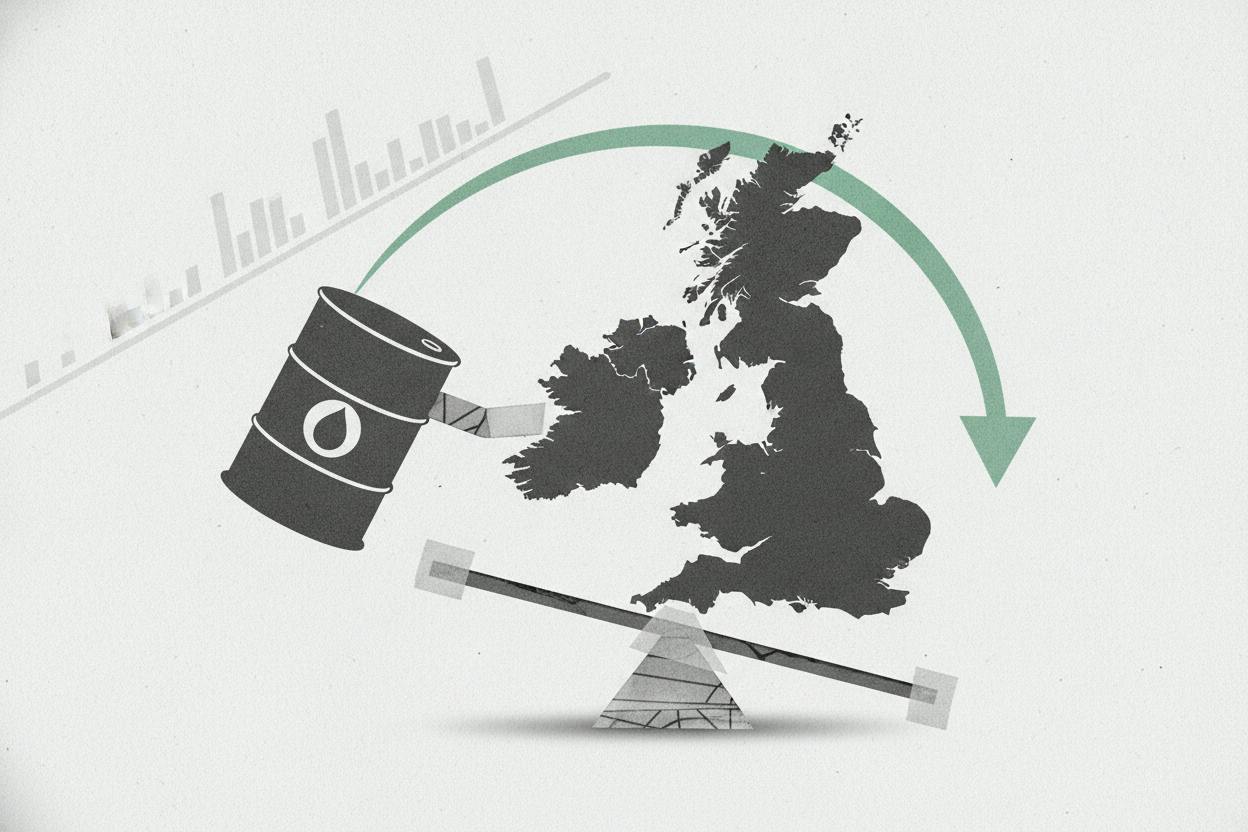
The blue-chip index has become unusually sensitive to oil movements in recent weeks. That's because a handful of supermajor energy companies—such as Shell and BP—carry outsized weight in the index. When crude falls, those heavyweights drag the whole market down; when it rises, they lift it.
Oil's whiplash
On Tuesday, oil prices slipped, and the FTSE 100 followed with a 0.5% drop. But the narrative reversed after former President Donald Trump said he would not ease sanctions on Iran, a major oil producer. The comments reignited supply concerns, sending crude higher and lifting energy stocks in pre-market trading.
This kind of volatility is not new. Oil markets have been on a rollercoaster as traders weigh geopolitical risks against global demand worries. Sanctions on Iran, which exports roughly 3 million barrels a day, can tighten supply and push prices up. Any hint of easing, by contrast, tends to cool prices.
For the FTSE 100, the impact is amplified because energy stocks account for a large share of the index's market value. When oil moves, it can move the entire index—even if other sectors are flat.
What it means for investors
For everyday investors, the takeaway is that the FTSE 100 is not just a barometer of the UK economy. It is heavily influenced by global commodity prices, especially oil. That means a headline about Iran or OPEC can move your pension or ISA more than a domestic economic report.
If you hold a FTSE 100 tracker fund, you are effectively making a bet on oil prices, whether you realise it or not. That can be a source of volatility, but it also means the index can benefit when energy prices rise.
Investors should also watch how the Bank of England reacts. A sustained energy price spike could feed into inflation, potentially influencing interest rate decisions. As one Bank of England official has noted, an energy spike alone may not trigger another rate hike, but it is a factor policymakers monitor.
Broader market context
The FTSE's moves come amid a mixed global picture. Asian markets have shown some strength, with Japan's Nikkei rising on AI stock gains, while Chinese stocks edged higher on improving PMI data. These signals suggest that global growth, while uneven, is not collapsing.
However, the energy sector remains a wildcard. Energy stocks have slipped on oil declines even as LNG deals continue to pile up, highlighting the sector's sensitivity to price swings.
For the FTSE 100, the key question is whether oil's bounce is sustainable. If sanctions remain tight and supply stays constrained, energy stocks could keep supporting the index. But if demand weakens or geopolitical tensions ease, the reverse could happen.
Looking ahead
Traders will be watching oil prices closely through the session, as well as any fresh headlines on Iran. The FTSE 100's direction today will likely hinge on whether crude holds its gains.
For long-term investors, the lesson is to understand what you own. Index funds are convenient, but they come with hidden sector bets. Knowing that energy is a big driver of the FTSE 100 can help you make sense of daily moves—and avoid being surprised when oil headlines hit the news.