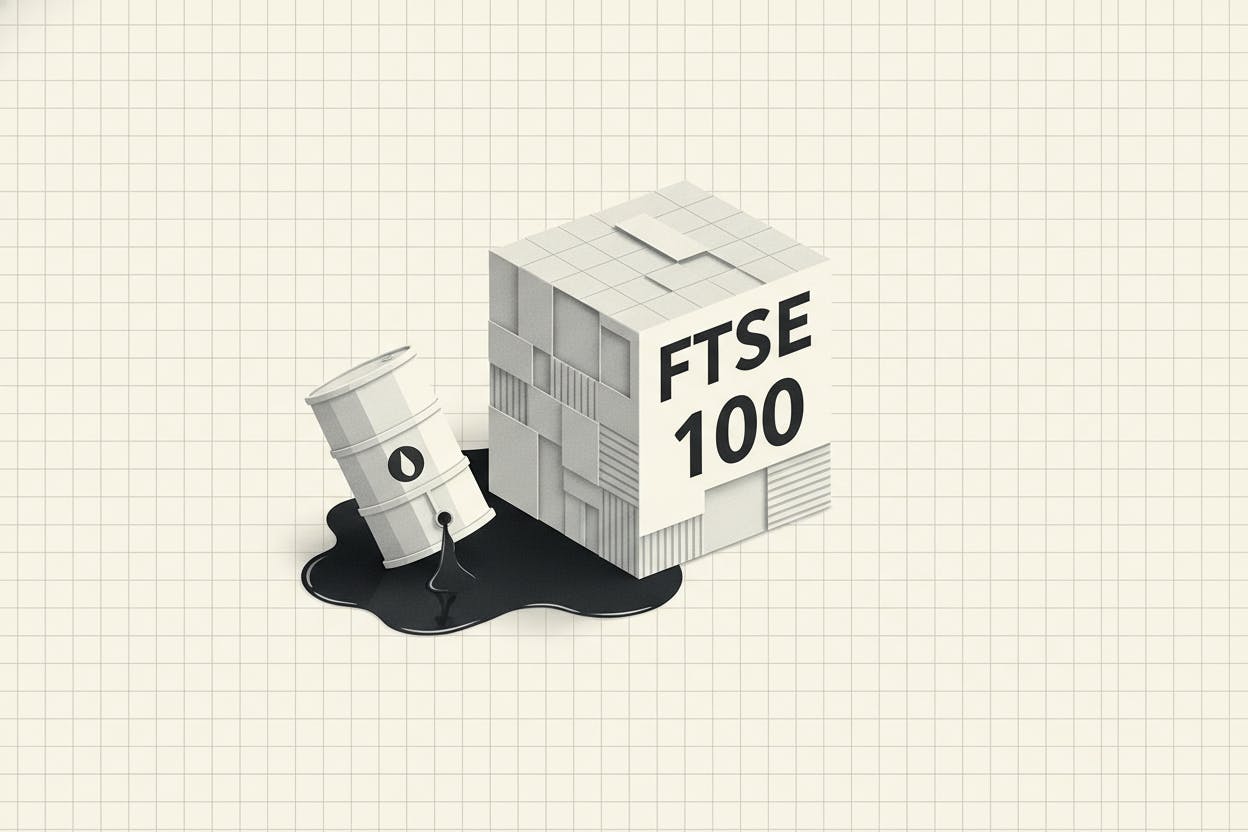
London's FTSE 100 index held its ground on [day] as a surge in oil prices to nearly $99 a barrel boosted heavyweight energy stocks, even as investors grappled with growing expectations of a US interest rate hike next week.
The benchmark index, packed with global commodity and energy firms, proved more resilient than many UK-focused stocks, which softened amid the mixed signals. Brent crude climbed sharply after attacks on Saudi energy facilities, which were blamed on Yemen's Iran-backed Houthi rebels. The geopolitical flashpoint served as a stark reminder that supply disruptions can tighten the oil market quickly, sending prices higher.
Energy stocks lead the way
The jump in crude was a clear tailwind for oil majors BP and Shell, both of which rose as the session progressed. These companies, which account for a significant chunk of the FTSE 100's market value, tend to benefit directly from higher oil prices, as their revenues and profits are closely tied to the cost of a barrel.
For everyday investors, the move underscores how the FTSE 100's composition can offer a natural hedge against oil price spikes. When energy prices climb, the index often outperforms more domestically focused markets, because a large slice of its earnings comes from overseas and from commodities.
However, the same oil rally that lifted BP and Shell also carries a darker implication: higher crude can act as a sneaky inflation spark. Rising oil prices feed into the cost of transport, power, and a wide range of goods, potentially pushing consumer prices up. That dynamic is particularly uncomfortable for central banks trying to bring inflation under control.
Rate hike odds climb
Adding to the cautious mood, traders were pricing in a 60% chance that the US Federal Reserve will raise interest rates at its policy meeting next week. That expectation reflects a resilient US economy and sticky inflation, which have led investors to bet that the central bank will keep monetary policy tight for longer.
A rate hike would have ripple effects across global markets. Higher US rates tend to strengthen the dollar, which can pressure emerging-market currencies and assets. They also make borrowing more expensive for companies and consumers, potentially slowing economic growth. For UK investors, a Fed move could also influence the Bank of England's own policy path, as the two central banks often move in tandem.
The combination of rising oil and the prospect of higher rates creates a tricky backdrop for equities. While energy stocks may continue to benefit from the crude rally, other sectors—particularly those sensitive to borrowing costs, like real estate and utilities—could face headwinds.
What it means for investors
For the average investor, the key takeaway is that markets are being pulled in two directions. On one hand, geopolitical tensions can boost certain sectors, like energy, offering opportunities for those with exposure to oil and gas companies. On the other, the threat of higher interest rates can weigh on broader market sentiment and increase volatility.
It's also a reminder that oil prices are a double-edged sword. While they can lift energy stocks, they can also erode purchasing power and complicate the inflation fight. Investors with diversified portfolios—holding a mix of sectors and asset classes—are generally better positioned to weather such crosscurrents.
Looking ahead, all eyes will be on the Fed's decision next week, as well as any further developments in the Middle East. A sustained rise in oil could keep energy stocks buoyant, but it could also prompt central banks to act more aggressively, which would likely weigh on bond prices and growth-oriented stocks.
As always, it's wise to focus on long-term goals rather than reacting to short-term market moves. The FTSE 100's steadiness today is a testament to the index's defensive qualities, but investors should stay alert to the broader forces shaping the global economy.



