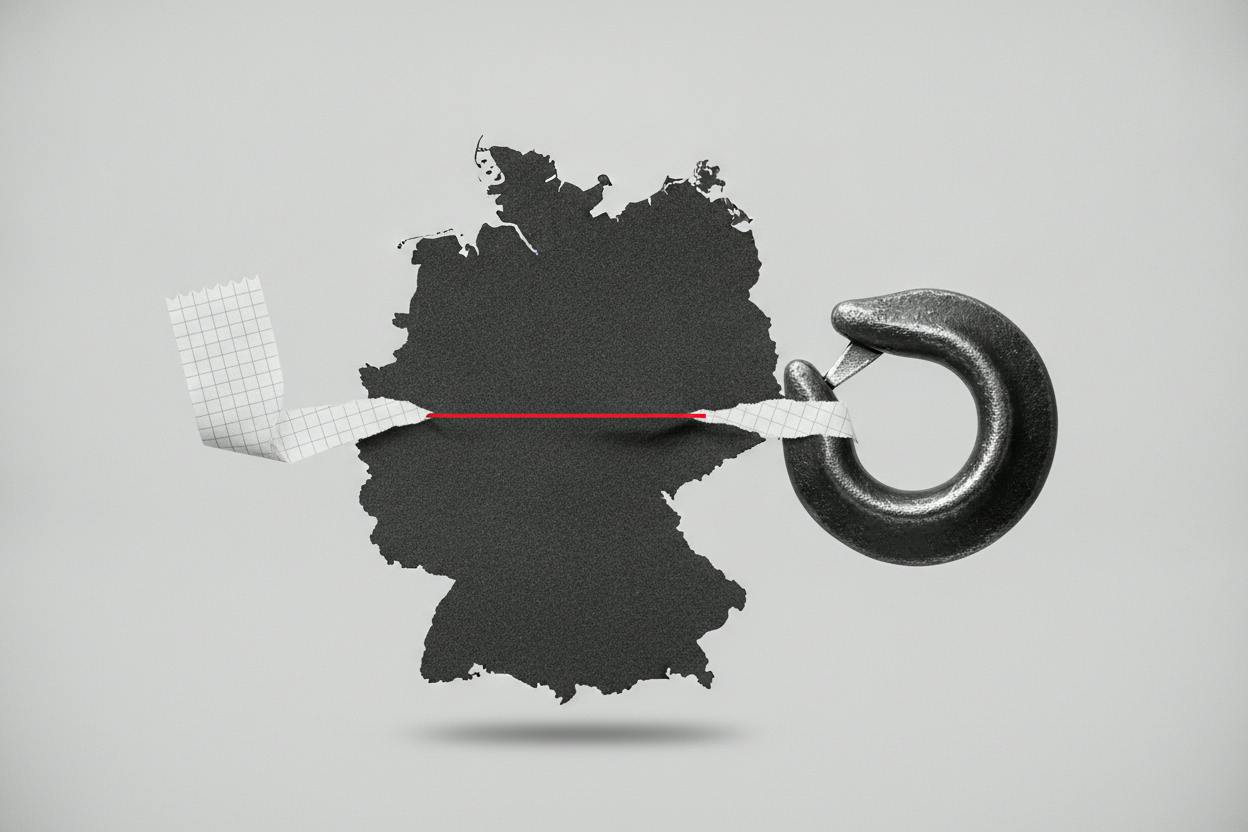
Germany's export engine sputtered again in August, adding to a gloomy outlook for Europe's largest economy and keeping the DAX stock index under pressure. The Federal Statistical Office reported that exports, adjusted for seasonal and calendar effects, fell 0.8% compared with July, while imports rose 0.9%. That combination shrank Germany's trade surplus to €19.5 billion, down from a revised €21.6 billion in July.
The numbers are a stark reminder that Germany still leans heavily on selling goods abroad—machinery, chemicals, cars, and industrial equipment—just as the rules of global trade look increasingly unpredictable. For investors, the weak export data is not just a backward-looking statistic; it signals that the companies powering the DAX may face tougher conditions ahead.
Why exports matter for the DAX
The DAX is home to many of Germany's global industrial champions, from automakers to chemical giants and engineering firms. These companies generate a significant share of their revenue from overseas markets. When exports falter, it directly hits their top line and can force them to trim profit forecasts.
ING, a Dutch bank, has warned that the drag on German exporters is not merely cyclical. Geopolitical shifts and trade tensions are creating what it calls “structural challenges.” China, once a key customer for German goods, has increasingly become a tougher competitor, especially in areas like electric vehicles and advanced manufacturing. That shift is not a temporary blip; it represents a lasting change in the global trade landscape.
The latest export figures come at a delicate time. The Financial Times reported that the European Union is weighing tougher unilateral measures after Beijing rejected the bloc's proposal for a voluntary export cap on Chinese hybrid vehicles. The EU is considering options that could include retaliatory tariffs. Such policy uncertainty can delay orders and complicate supply chains, which is particularly worrying for DAX heavyweights that rely on smooth cross-border trade.
Bond yields and oil add to the pressure
On the day the export data was released, the DAX fell 1.12%, dragged down by a combination of rising bond yields and trade jitters. Higher oil prices have pushed European bond yields up, as investors worry about inflation and the potential for central banks to keep interest rates higher for longer. When bond yields rise, stocks often become less attractive by comparison, especially those in export-heavy sectors that are sensitive to global growth.
The rise in oil prices is a double-edged sword for Germany. As an importer of energy, higher crude costs increase production expenses for manufacturers and squeeze profit margins. It also feeds into inflation, which could prompt the European Central Bank to maintain a tighter monetary policy stance, further pressuring economic activity.
EU-China trade tensions: a new front
EU Trade Commissioner Maroš Šefčovič has floated the idea of limiting Chinese hybrid vehicle sales to 15% of the EU market, down from more than a third today. That proposal, even before any formal rule change, is enough to make markets nervous. Investors tend to price in the risk that China will retaliate with its own measures, which could include tariffs on European goods or restrictions on European companies operating in China.
For German exporters, the range of possible outcomes is wide: weaker access to overseas customers, supply chain disruptions, or buyers delaying orders until the trade environment becomes clearer. In such an environment, analysts often adopt more cautious profit assumptions and apply a higher “risk premium” to export-heavy stocks. That means the DAX can struggle to trade purely on company-level news for a while, as macro and geopolitical factors dominate.
What it means for everyday investors
For ordinary investors, the takeaway is that German stocks—and by extension, European equities—are facing a period of heightened uncertainty. The DAX's performance is closely tied to global trade dynamics, and any escalation in EU-China tensions could hit the index hard. Even if you don't directly own German stocks, many global funds and ETFs have significant exposure to European exporters, so the ripple effects can be felt broadly.
It's also worth noting that the trade surplus narrowing is a sign that Germany's economic model is under strain. A shrinking surplus can weigh on the euro, which in turn affects European assets and multinational companies' earnings when translated back into euros. While a weaker euro can help exporters by making their goods cheaper abroad, it also signals underlying economic weakness.
Investors should keep an eye on how the EU-China trade negotiations evolve. Any concrete steps—whether tariffs or other measures—could trigger sharp moves in German stocks. Until then, expect the DAX to remain sensitive to headlines from Brussels and Beijing, as well as to oil price swings and bond yield movements.
For those with a long-term perspective, the current uncertainty might present opportunities, but it also underscores the importance of diversification. Export-heavy sectors like autos and machinery are likely to remain volatile, while more domestically focused areas of the market might offer some stability. As always, it's wise to focus on your own investment goals and risk tolerance rather than reacting to daily market noise.