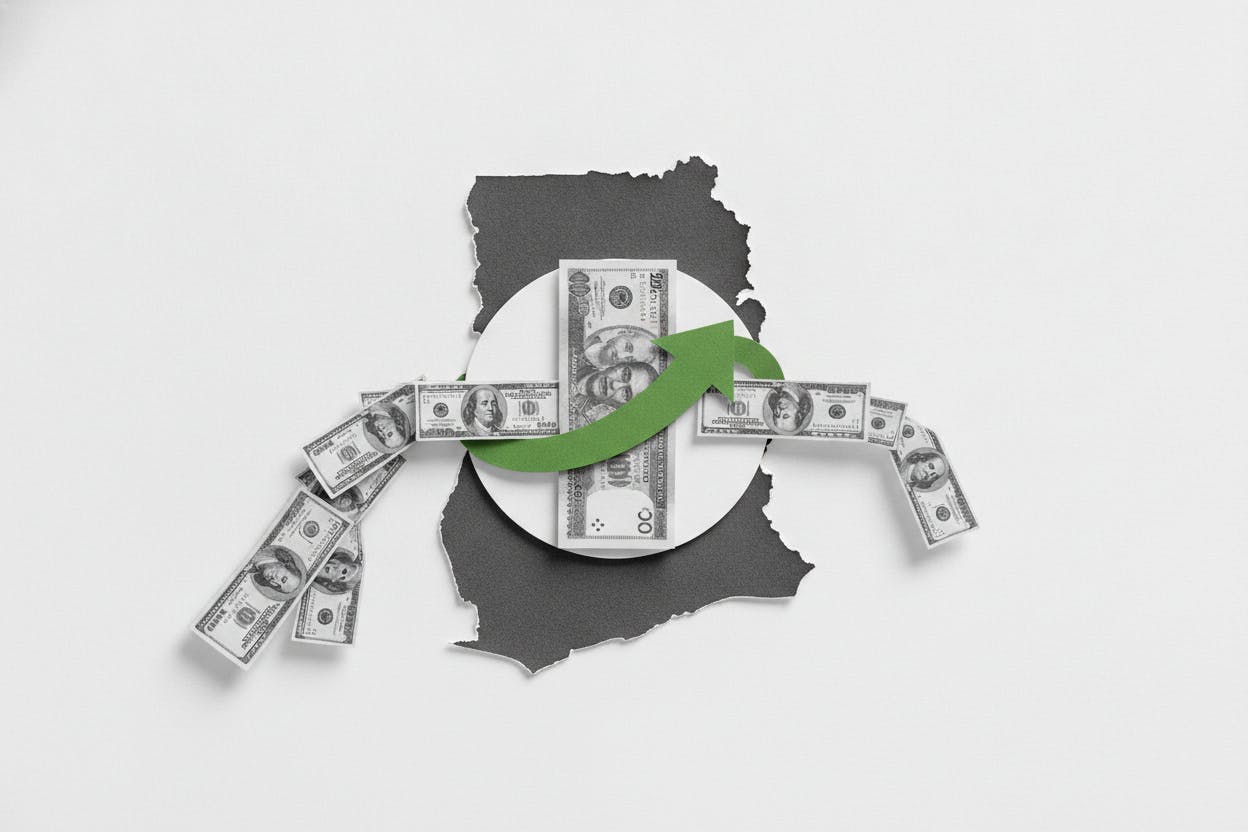
Ghana's cedi has been the standout mover in African currency markets this week, jumping to 11.00 per US dollar from 11.74. Traders say the currency could keep climbing as more dollars flow into the country than leave it.
The move is not a one-off blip, according to market participants. It reflects a broader supply story: the central bank has been selling foreign exchange steadily, mining companies are bringing in dollars, and corporate demand for the greenback has cooled. That combination has shifted the balance in favor of the cedi.
Ronald Mensah at Stanbic Bank Ghana, one of the country's largest banks, summed up the mood by saying that "dol..." — a sentiment echoed by other traders who see the currency's strength persisting in the near term.
What's driving the cedi?
The cedi's rally is largely a story of supply and demand. On the supply side, Ghana's central bank has been a consistent seller of dollars, helping to ease pressure on the currency. In addition, inflows from the mining sector—a key pillar of the economy—have been robust. On the demand side, local companies that typically buy dollars to pay for imports or service foreign debt have been less active, reducing the pressure on the cedi.
This is a marked change from previous periods when the cedi was under heavy pressure, often weakening sharply against the dollar. The current strength suggests that the country's foreign-exchange reserves are being managed more actively, and that the economy is seeing a more favorable balance of payments.
For everyday Ghanaians, a stronger cedi can mean cheaper imports, which may help tame inflation. It also makes foreign travel and education abroad less expensive in local currency terms. However, exporters—such as cocoa farmers and gold miners—may see their local-currency revenues shrink when they convert their dollar earnings.
Elsewhere in Africa: naira edges up, shillings steady
While the cedi stole the spotlight, other major African currencies were relatively quiet. Nigeria's naira edged slightly firmer, continuing its gradual recovery after a period of volatility. The naira has been supported by official efforts to boost dollar liquidity, though the currency remains sensitive to oil prices and the central bank's policy moves.
Kenya's and Uganda's shillings were largely unchanged, reflecting a lack of major catalysts. Both currencies have been relatively stable in recent months, helped by tourism inflows and remittances, though they face occasional pressure from import demand and external debt payments.
The broader African currency landscape is often influenced by global factors, particularly the strength of the US dollar. This week, soft US producer price data pushed the dollar lower, which can provide some relief to emerging-market currencies. A weaker dollar makes it easier for African currencies to hold their ground, and it also reduces the cost of servicing dollar-denominated debt.
What it means for investors
For investors with exposure to Ghanaian assets, the cedi's strength is a positive sign. It can boost returns on local-currency bonds and equities when converted back to dollars. However, currency markets are notoriously difficult to predict, and the cedi's gains could reverse if global conditions change or if domestic demand for dollars picks up again.
Investors should also keep an eye on the central bank's actions. If the Bank of Ghana continues to sell dollars, it could support the cedi further, but it also draws down reserves. A sustained rally would require a more fundamental improvement in the country's external position, such as higher export earnings or increased foreign investment.
For those watching African markets more broadly, the relative stability of the naira and shillings is a reminder that currency movements are often driven by local factors as much as global ones. A busy day for African markets can include rate decisions, policy changes, and commodity price moves, all of which can affect currencies.
In the near term, traders will be watching whether the cedi can hold above the 11.00 level and push further. The currency's performance will also be a test of Ghana's economic resilience as it continues to navigate a challenging global environment.