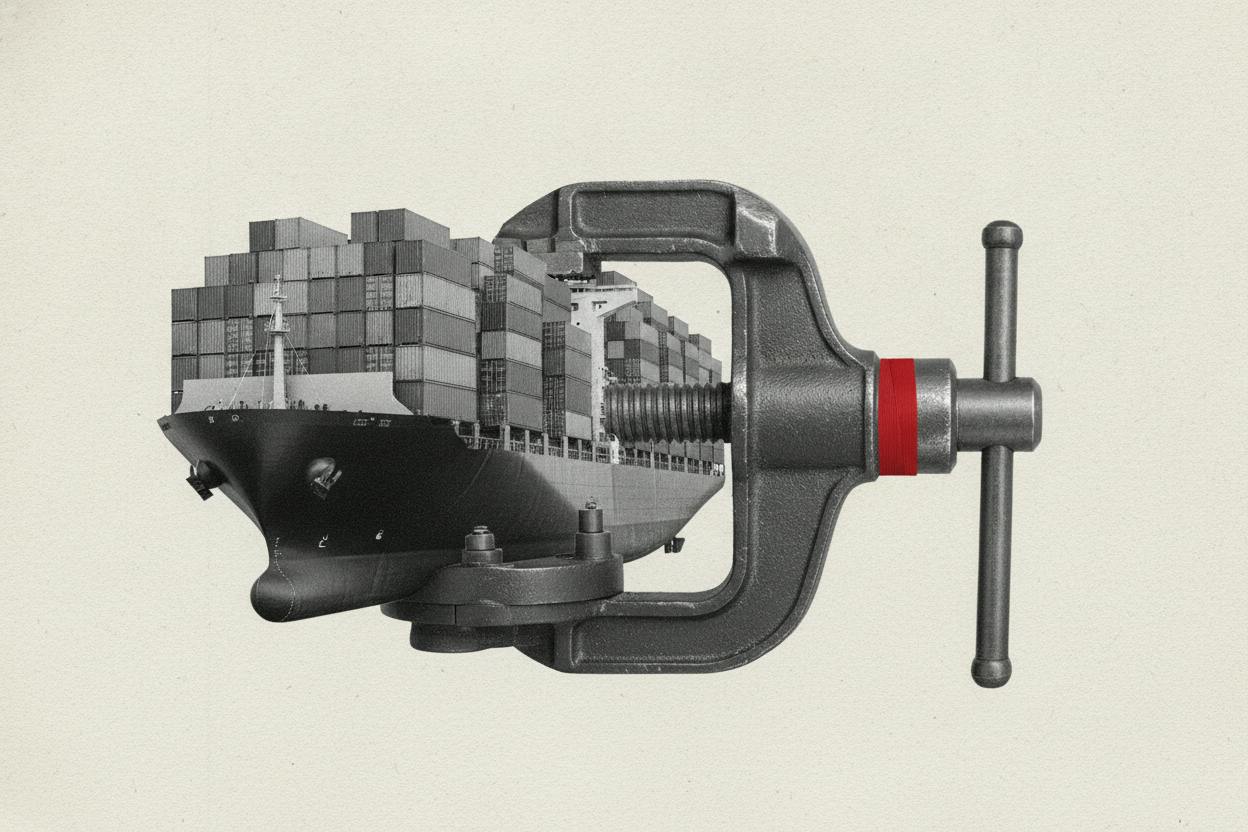
Glencore has raised its profit target for its commodity trading business, telling investors that adjusted operating profit from its marketing division should exceed $5 billion in 2026. The upgraded guidance follows a strong first half for the miner-trader, and the company also outlined a new long-term framework that will take effect from 2027.
The move matters because Glencore is not a typical mining company. Alongside digging metals and coal out of the ground, it runs one of the world's largest commodity trading operations, buying, shipping and selling raw materials across the globe. That arm, known internally as "marketing," is the part of the business the new target covers.
Why Glencore's trading arm is different
Most mining companies make their money from the gap between what it costs to extract a commodity and the price it fetches in the market. Glencore does that too, but it also earns fees and trading margins from moving physical commodities between producers and buyers — oil, gas, metals, coal and more.
Trading desks like Glencore's tend to thrive when markets are disorderly. When prices swing sharply, when supply routes are disrupted, or when regional shortages create gaps between what buyers need and what sellers can deliver, traders can capture wider margins by sourcing and delivering the right material at the right time. Reuters pointed to recent volatility in oil, gas and freight markets as a key tailwind behind the improved outlook.
That dynamic helps explain why the new 2026 target is notable. Glencore's previous long-term guidance range for the marketing business was $2.3 billion to $3.5 billion in adjusted operating profit. The new figure of more than $5 billion sits well above that band, signalling management's confidence that the favourable conditions seen in the first half can persist.
What the new framework signals
The company also set out a new long-term framework starting in 2027. While the brief does not detail the specific mechanics, the timing is telling. By separating the near-term 2026 target from a longer-term structure, Glencore appears to be giving investors a clearer view of how it expects the trading business to perform once current market conditions normalise.
This is a common approach for companies whose earnings are tied to volatile markets. Rather than promising that a boom will last forever, management can point to a baseline expectation for "normal" years while still guiding higher when conditions are unusually favourable. For Glencore, that means the $5 billion-plus figure for 2026 is best read as a cyclical high rather than a permanent new normal — though the company's decision to raise the target at all suggests it sees the current environment lasting longer than it previously assumed.
It is also worth noting that Glencore's trading profits are not the same as its mining profits. The marketing business is asset-light compared with running mines, meaning it can generate cash without the heavy capital spending, permitting delays or labour disputes that can weigh on extraction operations. That makes it a valuable stabiliser when commodity prices are weak, and a powerful earnings booster when markets are choppy.
What it means for investors
For everyday investors, the headline number is a reminder that Glencore's earnings profile is more complex than a simple bet on copper or coal prices. A strong trading result can offset weaker mining margins, and vice versa. That diversification is one reason the company is often viewed differently from pure-play miners.
Investors watching the stock will likely focus on a few things from here. First, whether the volatility in energy and freight markets that supported the first half continues into the second. Second, how the new 2027 framework is received — whether analysts see it as a credible baseline or as an optimistic stretch. And third, whether the trading strength translates into higher shareholder returns, such as dividends or buybacks, which Glencore has used in the past to return excess cash.
It is also worth keeping an eye on the broader commodity backdrop. Trading profits are, by nature, tied to market dislocations. If oil, gas and freight markets calm down, the tailwind that helped Glencore's first half could fade. That is why the company's decision to raise its 2026 target — rather than simply reporting a strong half-year — is the more meaningful signal. It suggests management expects the favourable conditions to persist for longer than a single reporting period.
For now, the message is straightforward: Glencore's trading engine is running hotter than expected, and the company is telling investors to plan for a bigger contribution from that business next year. Whether that proves sustainable will depend on how the world's commodity markets behave — something no trading desk, however skilled, can fully control.