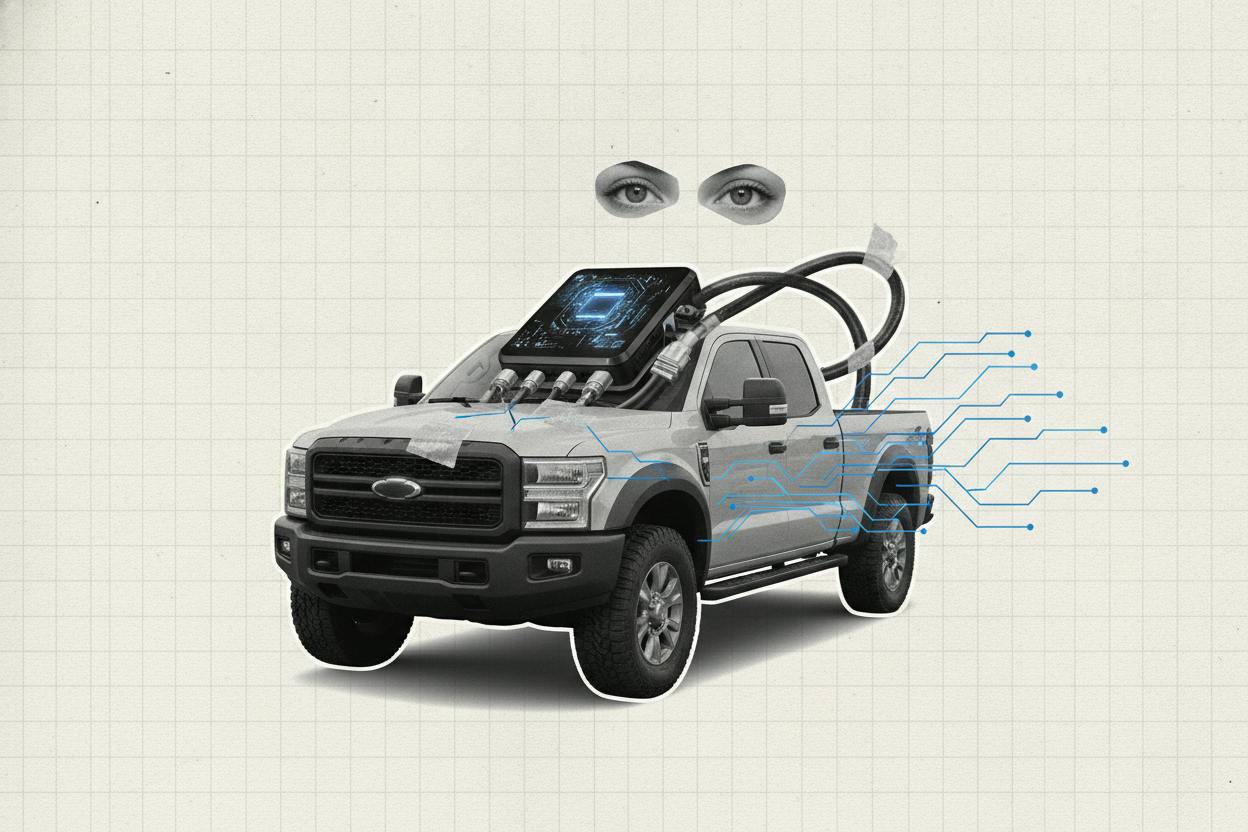
General Motors is preparing to roll out a new software backbone for its most profitable vehicles—full-size pickups and large SUVs—that will enable hands-free, eyes-off highway driving. The automaker also plans to offer a range of paid digital features, betting that owners of these high-margin trucks will be willing to pay for technology that makes long drives easier and more convenient.
The news, first reported by Reuters, signals a shift in how GM intends to make money from its vehicles. Instead of relying solely on the initial sale, the company is looking to create a steady stream of revenue from software subscriptions and digital services, much like the model used by tech companies.
What is eyes-off driving?
Eyes-off driving refers to a level of driver assistance where the vehicle can handle certain driving tasks—like staying in a lane and maintaining speed on a highway—without the driver needing to keep their eyes on the road. This goes a step beyond current systems like GM's Super Cruise, which allows hands-free driving but still requires the driver to pay attention to the road ahead.
For GM, bringing this technology to its biggest sellers is a strategic move. Pickups and large SUVs are the company's cash cows, generating the bulk of its profits. By equipping these vehicles with advanced software and paid features, GM hopes to capture more value from each sale and build a recurring revenue stream that can smooth out the ups and downs of vehicle sales.
Why software is the new battleground
Automakers have long made money by selling hardware—engines, transmissions, and bodies. But as vehicles become more like computers on wheels, the profit potential is shifting to software. Features like advanced driver assistance, over-the-air updates, and connected services can be sold once or as subscriptions, providing a margin that is often higher than the vehicle itself.
GM is not alone in this push. Rivals like Ford and Tesla have also been investing heavily in software and autonomous driving technology. The race is on to see which company can turn these features into a reliable profit center. For GM, the focus on its most popular models makes sense: if you're going to sell a subscription, you want to sell it to customers who already love your product and drive a lot.
This move also comes as the broader auto industry grapples with the transition to electric vehicles, which are often more software-centric. By building a strong software foundation now, GM can position itself for a future where cars are defined by their digital capabilities as much as their mechanical ones.
What it means for investors
For everyday investors, this news is a reminder that automakers are evolving into tech companies. The potential for high-margin software revenue could boost GM's profitability over time, making its stock more attractive to those looking for growth in a traditionally cyclical industry.
However, there are risks. Developing and deploying advanced driver assistance systems is complex and costly, and regulators may impose strict safety requirements. There's also the question of whether customers will actually pay for these features. While some drivers may eagerly sign up for hands-free highway driving, others may balk at monthly fees for something they see as a luxury.
Investors should also consider the competitive landscape. As more automakers and tech companies enter the space, the market for these features could become crowded, potentially pressuring prices and margins. Still, GM's decision to focus on its most profitable vehicles suggests it is confident that its customers will see the value.
For now, the move is a bet on the future of driving—one where the car does more of the work, and the automaker earns more from the software that makes it possible. Whether that bet pays off will depend on execution, customer adoption, and the regulatory environment.
As the industry watches, other automakers may follow suit, accelerating the shift toward software-defined vehicles. For investors, keeping an eye on how these strategies unfold could offer clues about which companies are best positioned for the next decade of automotive innovation.