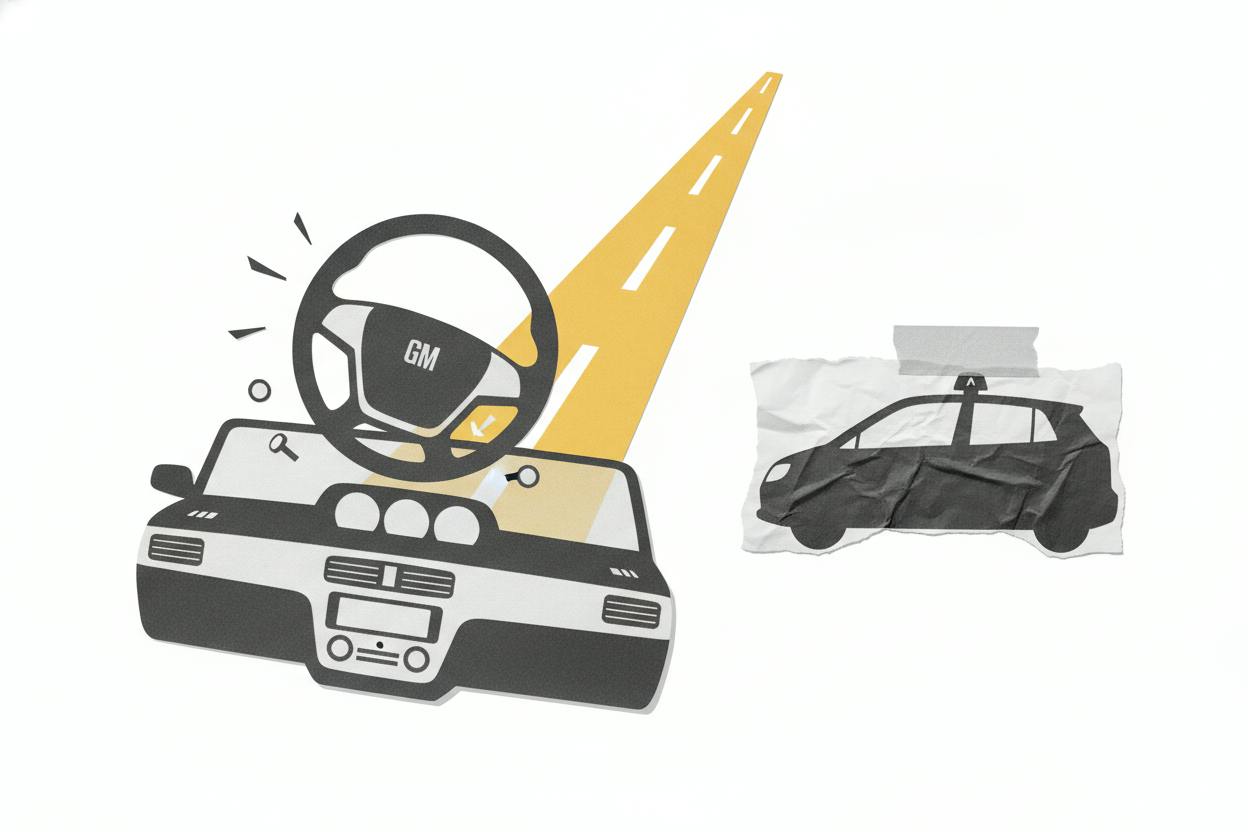
General Motors is sticking with its ambitious plan to offer "eyes-off, hands-off" autonomous driving in personally owned vehicles by 2028, according to CEO Mary Barra. In an interview with CNBC, Barra said the company's decision to wind down its Cruise robotaxi business has actually helped sharpen its focus on that goal.
Barra said GM's autonomous system has improved since she last rode in it earlier this year, describing "significant progress" toward the 2028 target. But her bigger point was strategic: running robotaxis would have turned GM into a transportation service operator, with heavy upfront spending on vehicles, dispatch systems, maintenance, and local permits. Personal autonomy, by contrast, aims to put the technology into cars GM already sells, turning it into a software-like feature that can scale with vehicle deliveries.
Why GM walked away from robotaxis
GM's decision to shut down Cruise, announced late last year, marked a major reversal for a company that had poured billions into autonomous ride-hailing. The robotaxi model promised a new revenue stream, but it also came with steep costs and operational complexity. Running a fleet means managing charging, cleaning, repairs, and regulatory approvals in every city—essentially operating a logistics business on top of a car business.
By exiting that space, GM says it kept much of Cruise's engineering talent and is redirecting that team toward consumer-focused automation. The bet is that the payoff will come from buyers opting into a paid feature, rather than from keeping robotaxis busy on the road. That shift aligns with a broader industry trend: several automakers and tech companies have pulled back from fully autonomous ride-hailing, finding it harder to scale profitably than originally hoped.
What the 2028 target means for investors
For investors, the change in strategy changes what to watch. With robotaxis, the hard problem was proving the unit economics of a fleet business—high capital costs, regulatory hurdles, and profits that hinge on keeping cars utilized. With personal "eyes-off" driving, the financial story looks more like an optional paid package across GM's lineup. Margins would depend on pricing power and how many drivers choose to pay for the capability.
That makes GM's valuation case less about operating a taxi network and more about whether it can ship the technology broadly, win consumer trust, and convert it into recurring, high-margin revenue by 2028. It's a similar logic to how automakers are approaching other software features, like advanced driver assistance or subscription services—selling capability as an upgrade rather than as a standalone business.
Barra's comments suggest GM sees autonomy as a way to add value to its existing vehicles, not as a separate venture. That could appeal to investors who prefer a more predictable, asset-light model. But the 2028 timeline remains ambitious, and the technology still faces regulatory, safety, and consumer-acceptance hurdles. The company will need to demonstrate real progress in the coming years to convince the market that the target is credible.
What to watch next
Investors will likely track GM's development milestones, any regulatory approvals, and how the company plans to price the feature. They'll also watch whether other automakers make similar moves, as competition in personal autonomy heats up. For now, GM's message is clear: it's betting on selling autonomy as a feature, not as a fleet service.
That refocusing is part of a broader pattern in the auto industry, where companies are increasingly looking to software and services to boost margins. As GM shifts its strategy, it joins peers like Porsche, which has also moved away from volume growth toward higher per-car profitability. The key question is whether GM can execute on its 2028 promise—and whether drivers will be ready to take their eyes off the road.