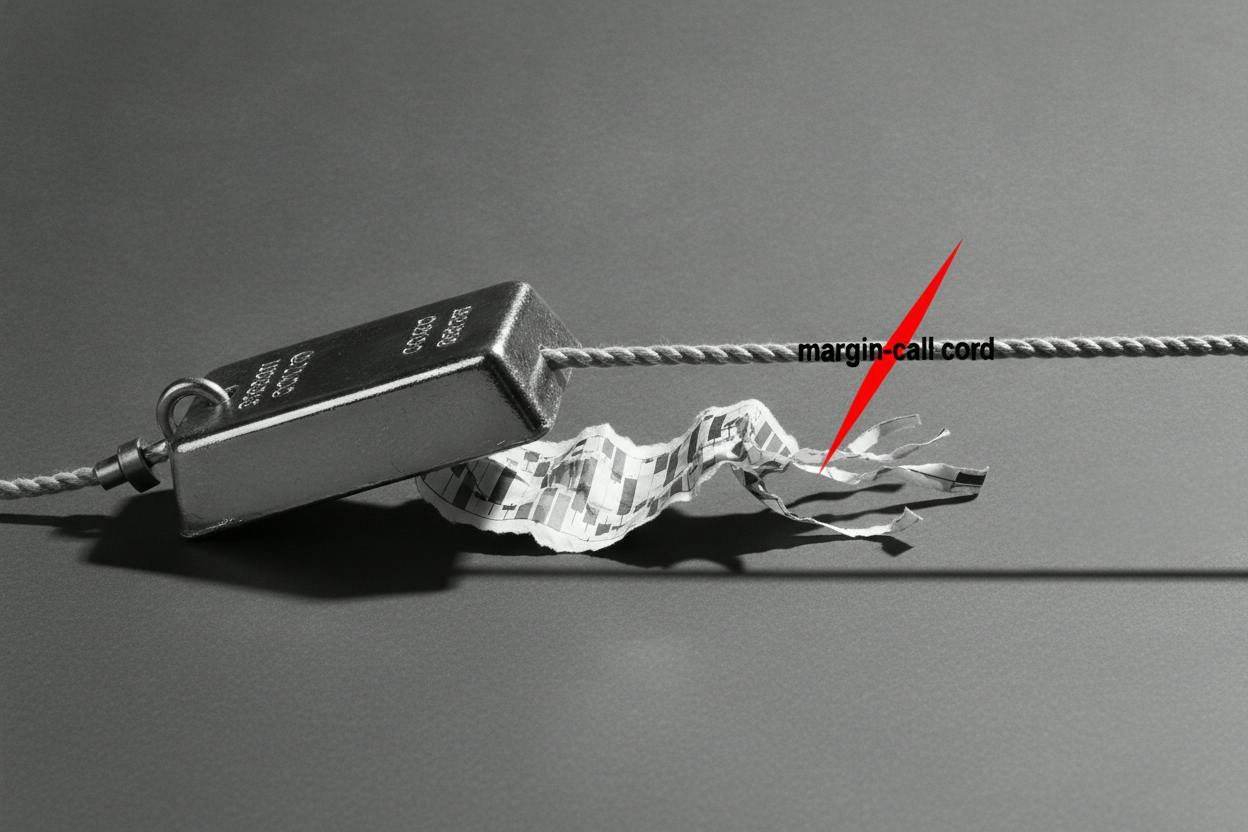
Gold prices fell roughly 2% on Tuesday as Federal Reserve officials struck a more hawkish tone and U.S. stocks slid, prompting traders to cut risk and sell metals for cash. The drop underscores how gold, often seen as a safe haven, can sometimes move in tandem with equities when investors need to raise money quickly.
Why gold is sensitive to rate expectations
Gold pays no interest, so when investors believe interest rates will stay higher for longer, the metal becomes less attractive compared with cash or bonds that offer yields. That dynamic was clearly in play as markets leaned toward a quarter-point rate hike in December, and New York Fed President John Williams warned that inflation could still require tighter policy.
Williams' comments reinforced the view that the Federal Reserve is not done fighting inflation, even after a series of aggressive increases over the past year. For everyday investors, this means the opportunity cost of holding gold—what you give up by not earning interest elsewhere—remains elevated.
Equity-driven liquidation spills into metals
But Tuesday's move wasn't just about rates. Forex.com, a currency and markets broker, said "liquidation from the equity space" helped drive the drop. When stocks fall fast, some traders face margin calls and are forced to raise cash by selling the easiest positions to exit, like futures contracts. That can pull gold and silver lower at the same time as equities, even if the inflation outlook hasn't changed much.
This is a reminder that gold doesn't always behave like a pure safe haven. In times of stress, it can trade like a risk asset, moving in the same direction as stocks. For investors, that means diversification benefits can temporarily weaken during sharp market selloffs.
What to watch: Wednesday's inflation data
With U.S. October personal consumption expenditures (PCE) inflation data due Wednesday, gold is set up to react on two channels: the usual rates story, and whether the data calms or worsens broader risk sentiment across markets. PCE is the Fed's preferred inflation gauge, so a hot reading could reinforce the case for another hike, while a cool one might ease pressure.
Even if expectations for a December quarter-point hike don't budge much, a surprise that jolts equities can spill into futures positioning across metals, adding another layer of volatility for spot gold and COMEX contracts. Traders will also be watching how the dollar responds, as a stronger dollar typically weighs on gold.
What it means for investors
For those holding gold or gold-related investments, the key takeaway is that short-term moves can be driven by liquidity needs rather than a change in the fundamental outlook for inflation. That doesn't mean gold's long-term role as a hedge is broken, but it does mean you should expect occasional sharp swings that have little to do with the metal's intrinsic value.
If you're a long-term investor, it's worth remembering that gold's price can be volatile, and that volatility can spike during periods of market stress. As always, it's important to keep a diversified portfolio and not overreact to any single day's move.
For more on how inflation data can move markets, see our recent coverage on traders bracing for a packed data week and gold's rebound from a 14-month low.