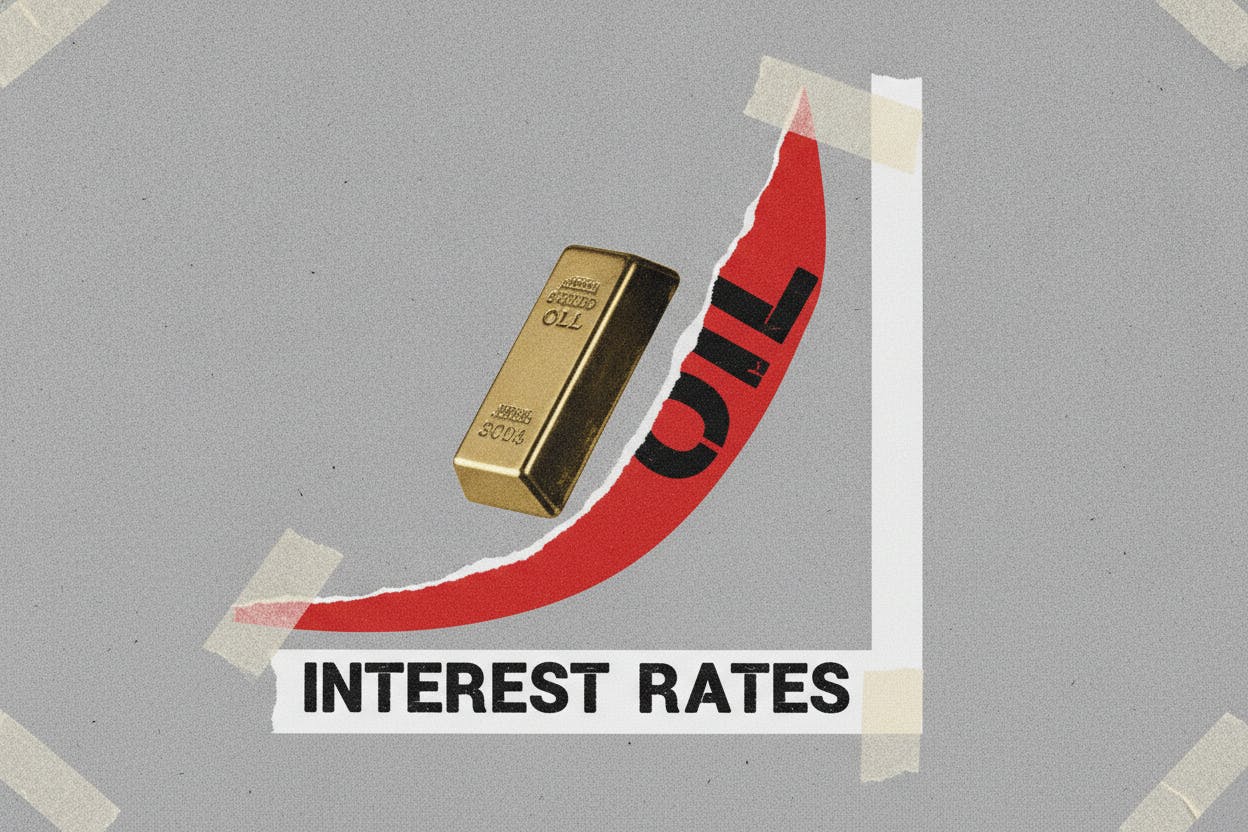
Oil prices have jumped roughly 12% this week as escalating clashes between the United States and Iran stoke fears of supply disruptions. The rally is rippling through financial markets, pushing traders to reassess the path of interest rates and sending gold sliding into its worst weekly performance in six weeks.
What's driving the oil spike?
The sharp move in crude comes as geopolitical tensions in the Middle East flare up. The US and Iran have traded strikes in recent days, raising the risk of a broader conflict that could disrupt oil flows from the region. The Strait of Hormuz, a critical chokepoint through which about a fifth of the world's oil passes, has come into focus as a potential flashpoint. For context, even the threat of disruption there can send prices higher, as traders price in the possibility of supply shortages.
This week's jump has pushed oil to levels not seen in months, and the move is drawing attention beyond energy markets. Higher oil prices feed into the cost of gasoline, heating, and a wide range of goods that rely on transportation, which can push up overall inflation.
Why that matters for interest rates
The Federal Reserve has been battling inflation for over a year, raising interest rates aggressively to cool the economy. Recently, signs of easing price pressures had led many investors to believe the central bank might pause its hiking cycle. But the oil surge is complicating that picture.
Traders now see a 73% chance that the Fed will raise rates again at its December meeting, according to pricing in the fed funds futures market. That's a sharp jump from just a week ago. The logic is straightforward: if energy costs push inflation higher, the Fed may feel compelled to keep tightening monetary policy to prevent prices from spiraling.
Higher interest rates are a headwind for gold. Unlike bonds or cash, gold pays no interest or yield. When rates rise, the opportunity cost of holding gold increases, because investors can earn a return from other assets. That dynamic has been on full display this week, with gold prices falling as rate hike expectations hardened.
What it means for investors
For everyday investors, the oil-gold dynamic is a reminder of how interconnected markets can be. A geopolitical event in the Middle East can quickly shift the outlook for inflation, central bank policy, and asset prices thousands of miles away.
Gold is often seen as a safe haven during times of geopolitical stress, but this week it has bucked that trend. The reason: the oil-driven inflation scare is overriding the typical flight-to-safety bid. Investors are instead focusing on the prospect of higher rates, which makes gold less attractive relative to yield-bearing assets like Treasury bonds.
Meanwhile, the oil rally is boosting energy stocks, but it's also raising costs for companies that rely heavily on fuel, such as airlines and shipping firms. Broader equity markets have been mixed, with tech stocks particularly sensitive to rate hike fears because their valuations are more dependent on future cash flows, which get discounted more heavily when rates rise.
For those with diversified portfolios, this week's moves underscore the importance of understanding how different assets react to changing rate expectations. A spike in oil doesn't just affect your gas bill—it can reshape the entire investment landscape.
What to watch next
Investors will be closely monitoring developments in the Middle East, as any de-escalation could quickly unwind the oil premium. But if tensions persist or escalate, oil could push even higher, putting more pressure on the Fed to act.
Key economic data releases, including inflation reports and retail sales figures, will also be in focus. The Fed's next policy meeting is in December, and the central bank has made clear it will be data-dependent. That means every piece of economic news will be scrutinized for clues about the rate path.
For gold investors, the key question is whether the current sell-off is a temporary reaction or the start of a longer-term trend. If inflation proves sticky and rates stay high, gold could face continued headwinds. But if the geopolitical situation cools and oil retreats, the metal could regain its safe-haven appeal.
As always, the best approach for most investors is to stay focused on long-term goals and avoid making impulsive moves based on short-term market noise. Events like this week's oil spike are a normal part of market cycles, and trying to time them is rarely successful.



