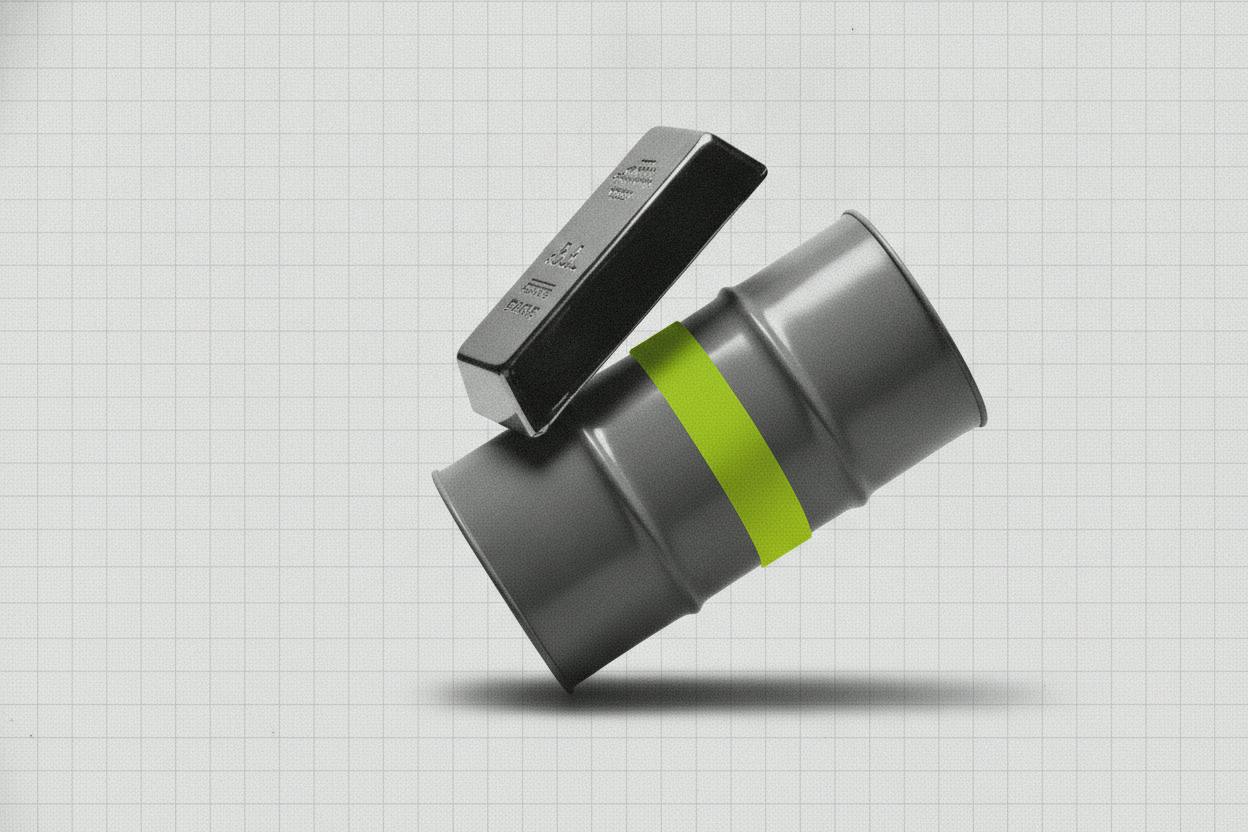
Gold prices slipped on Monday as oil prices jumped more than 2% on supply concerns and traders sharply increased their bets that the Federal Reserve will raise interest rates at its meeting this week. The shift underscores how inflation and energy costs are once again driving market moves.
What's driving the move?
The trigger was hotter-than-expected August inflation data, which showed consumer prices rising faster than many had anticipated. According to the CME FedWatch Tool, which tracks market expectations for central bank policy, traders now see an 86% chance of a rate hike at the Fed's September 15-16 meeting. That's up from about 67% before the inflation report.
At the same time, oil prices climbed more than 2% on fears of supply disruptions. Higher energy costs can feed into broader inflation, making it harder for the Fed to ease off its tightening campaign.
The combination of hot inflation and rising oil prices has reignited concerns that the Fed may need to keep rates higher for longer to cool price pressures.
Why gold is sensitive to rate expectations
Gold is often seen as a safe-haven asset, but it has a key weakness: it doesn't pay interest. When investors expect interest rates to rise, short-term bond yields tend to climb as well, making yield-paying investments like Treasuries more attractive relative to gold.
The crucial link is "real yields" — bond returns after accounting for inflation. When real yields rise, gold tends to fall because the opportunity cost of holding a non-yielding asset increases. That's exactly what happened this week as traders priced in a higher chance of a Fed hike.
This dynamic is a reminder that gold's price isn't just about geopolitical tension or inflation fears; it's also heavily influenced by monetary policy expectations.
What it means for investors
For everyday investors, the move in gold is a signal that markets are bracing for a more aggressive Fed. If the central bank does raise rates, it could affect everything from mortgage rates to credit card interest, and it could also put pressure on stocks that are sensitive to higher borrowing costs.
Investors holding gold or gold-focused funds may see continued volatility if rate expectations keep shifting. On the other hand, those with cash in short-term bonds or money market funds could benefit from higher yields if the Fed follows through.
The oil price jump is also worth watching. Rising energy costs can squeeze consumers' budgets and feed into inflation, which is why the bond market has been reacting. As global bond yields climb on oil-driven inflation fears, the ripple effects are being felt across asset classes.
It's important to note that the Fed's decision isn't a done deal. While traders are pricing in a high probability of a hike, the central bank could still surprise markets. The hot August inflation data has complicated the Fed's next move, and policymakers will have to weigh the risk of acting too aggressively against the risk of letting inflation run too hot.
Broader market context
The reaction in gold is part of a wider pattern. Higher rate expectations tend to strengthen the US dollar, which can weigh on commodities priced in dollars, including gold. It can also put pressure on emerging market assets, as we've seen in India, where stocks slipped and bond yields topped 7% on similar inflation worries.
Interestingly, not all sectors are reacting the same way. Some areas of the stock market, like financials and real estate, have shown resilience despite the hot inflation print. That's because banks can benefit from higher interest rates, while real estate investment trusts (REITs) may be less sensitive than expected. As hot core inflation fails to dent financials and real estate stocks, it shows that investors are picking winners and losers based on how each sector is likely to fare in a higher-rate environment.
What to watch next
The Fed's decision on Wednesday will be the main event for markets. Investors will also be listening closely to Chair Jerome Powell's press conference for hints about future rate moves. If the Fed signals that this could be the last hike for a while, gold could bounce back. If it suggests more hikes are on the table, gold and other non-yielding assets may stay under pressure.
Oil prices will also remain in focus. Supply concerns have been the main driver, but demand worries could resurface if higher rates slow the global economy. For now, the tug-of-war between inflation, rates, and growth is likely to keep markets on edge.
For everyday investors, the key takeaway is that gold's slide is a direct reflection of changing rate expectations. It's a reminder that even safe-haven assets are not immune to the forces of monetary policy. As always, it's wise to keep a diversified portfolio and not make sudden moves based on short-term market swings.