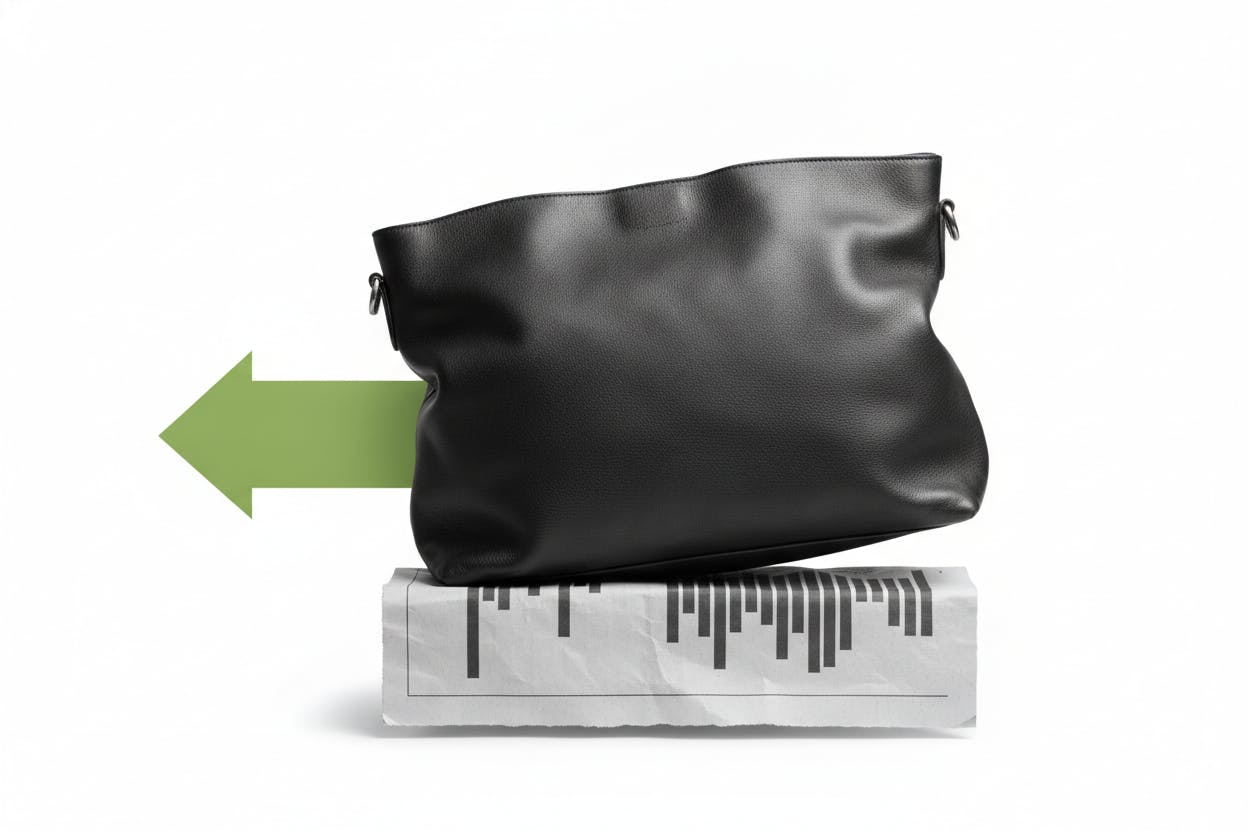
Kering reported Tuesday that its flagship brand Gucci saw second-quarter sales dip 2% to €1.4 billion, but a 9% surge in US demand helped the luxury label beat analyst expectations. The result marks the 12th consecutive quarterly sales decline for Gucci, yet the improvement from an 8% drop in the first quarter suggests the brand's turnaround efforts may be gaining traction.
The sales figure exceeded the €1.37 billion consensus estimate compiled by Visible Alpha, providing some relief to investors who have been watching Gucci's prolonged slump. Reuters noted that the upside could calm concerns after Kering management argued that Gucci can return to full-year growth as new designs from creative director Demna roll into stores.
US shoppers lead the rebound
The 9% jump in US demand stands out as a bright spot, especially given broader challenges in the luxury sector. American consumers have shown resilience, even as other regions cooled. This mirrors trends seen at rival LVMH, where US shoppers have also powered sales growth while European demand has stalled, as reported in LVMH's recent results.
Gucci's performance in the US is critical for Kering's turnaround story. The brand has been the weak link in the group's portfolio, dragging down overall results. A sustained recovery in America could provide the momentum needed to stabilize sales and rebuild investor confidence.
What the numbers mean
A 2% decline is far from a full recovery, but the trajectory is encouraging. The sharp improvement from the first quarter's 8% drop suggests that Gucci's new product direction and marketing efforts are starting to resonate with shoppers. The brand has been refreshing its collections under Demna, who took over as creative director last year, aiming to reignite interest after a period of stagnation.
For context, luxury brands have faced headwinds from inflation-weary consumers in some markets and a slowdown in China. Gucci's ability to beat forecasts despite these pressures indicates that its turnaround plan may be on track, though it remains early days.
What it means for investors
For everyday investors, Kering's results offer a mixed picture. The US rebound is a positive signal, but the overall sales decline shows the brand is not out of the woods yet. Investors should watch for signs that the improvement is sustainable, particularly as new Demna designs hit stores in the coming months.
Kering's turnaround story hinges on Gucci's ability to regain its luster. If US demand continues to strengthen and other regions stabilize, the group could return to growth by year-end. However, the luxury sector remains sensitive to economic shifts, and any slowdown in consumer spending could derail progress.
Investors may also want to compare Kering's performance with peers like LVMH, which recently saw fashion sales miss expectations amid an uncertain luxury recovery, as covered in LVMH's share dip. The broader industry is navigating a patchy recovery, and Kering's fortunes are closely tied to Gucci's success.
Looking ahead
Kering management has expressed confidence that Gucci can return to full-year growth as new designs gain traction. The next few quarters will be crucial to see if the US momentum can be sustained and whether other markets follow suit. For now, the 9% US jump provides a glimmer of hope in an otherwise challenging turnaround story.