Gulf stock markets edged higher on Tuesday, with Saudi Arabia leading the modest advance, as investors weighed two encouraging signals: a rebound in regional oil flows and a cooling of expectations for an imminent US interest rate hike.
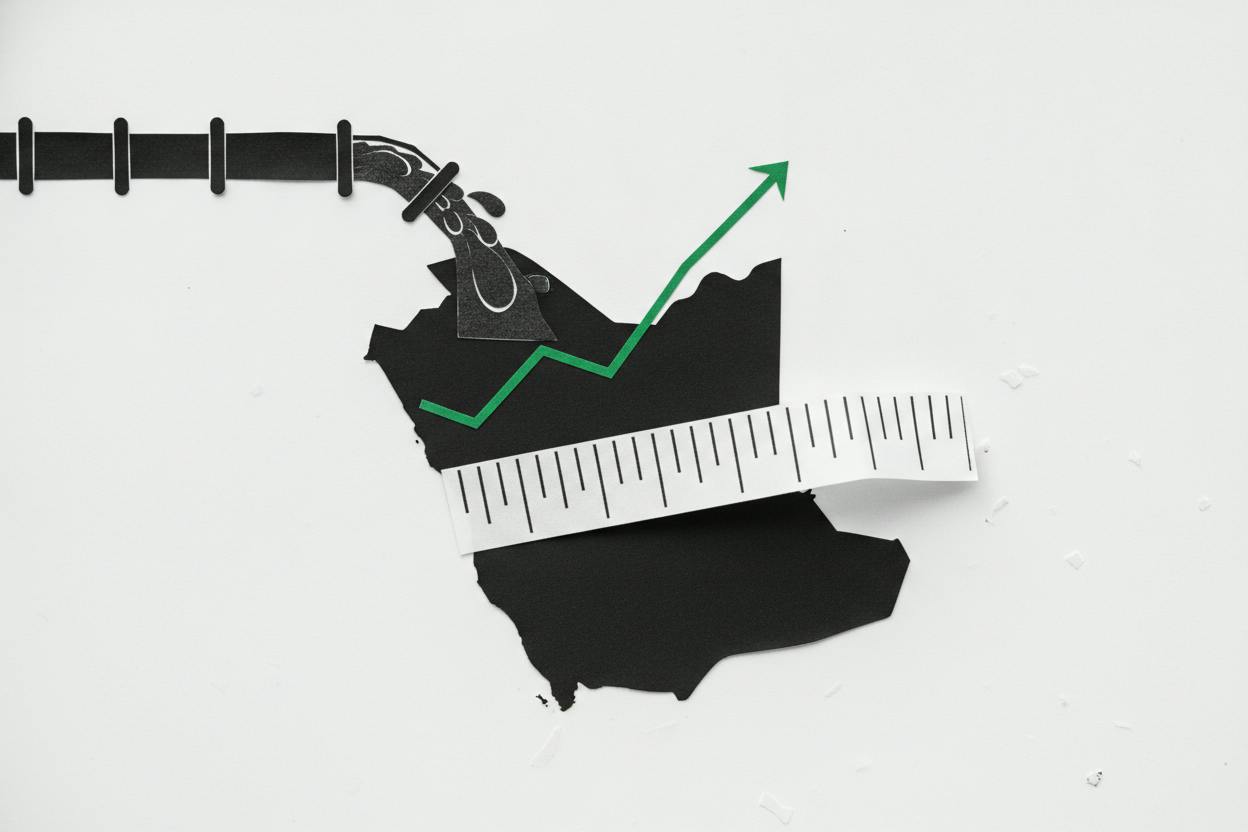
The moves came after data showed that Gulf oil exports, excluding Iran, climbed back to more than 81% of pre-war levels in September. The recovery was driven largely by a bounce in Saudi exports, which had been disrupted earlier by infrastructure damage and shipping issues. At the same time, traders marked down the odds of a near-term rate increase from the US Federal Reserve, following jobs data that pointed to slower hiring and downward revisions to previous months.
Oil flows: a key gauge for Gulf markets
For investors in the Gulf, oil is more than just a commodity—it is the lifeblood of the region's economies and a major driver of corporate earnings, government spending, and market sentiment. When oil flows are disrupted, as they were earlier this year, the ripple effects are felt across everything from energy companies to banks and real estate developers.
The September rebound to above 81% of pre-war levels is a meaningful improvement. It suggests that the region's energy infrastructure is recovering from the shocks that had curtailed output and shipping. Saudi Arabia, the region's largest economy and the world's top oil exporter, saw its exports recover after earlier disruptions, helping to lift the overall figure.
Still, the recovery is not yet complete. The fact that flows remain below pre-war levels underscores that some challenges persist, and investors will be watching whether the trend continues in the months ahead.
Rate expectations: a global tailwind
The second factor lifting Gulf stocks was a shift in expectations for US monetary policy. Recent US jobs data showed hiring slowed more than expected, and prior months were revised lower. That has led traders to reduce the probability of a near-term rate hike by the Federal Reserve.
For Gulf markets, US interest rates matter for several reasons. Many Gulf currencies are pegged to the US dollar, so US monetary policy directly influences local interest rates. Lower expectations for a hike mean borrowing costs are likely to stay lower for longer, which supports economic growth and corporate profitability. It also reduces the appeal of dollar-denominated assets, making regional equities relatively more attractive.
The cooling of rate-hike expectations is part of a broader global trend. In recent weeks, European stocks have risen as bond yields cooled, and similar dynamics have played out in other markets. When investors believe central banks are done tightening, they tend to shift money into riskier assets, including equities.
What it means for investors
For everyday investors, the combination of recovering oil flows and softer rate expectations is a positive, but not a game-changer. The gains across Gulf markets were modest, suggesting that investors are cautiously optimistic rather than exuberant.
Oil prices themselves remain a key variable. While flows are recovering, prices are influenced by global supply and demand, as well as geopolitical events. Oil stockpiles have been described as 'scarily thin', which means any unexpected disruption could still cause price spikes. For Gulf markets, higher oil prices generally boost revenues and government budgets, but they can also weigh on global growth, which is a double-edged sword.
Rate expectations are also fluid. The Fed has signaled that it will be data-dependent, meaning that upcoming economic reports could shift the outlook again. If inflation proves sticky or jobs data surprises to the upside, the odds of a hike could rise, potentially dampening the rally.
For investors with exposure to Gulf equities, the key takeaway is that the region is benefiting from a supportive macro backdrop, but the gains are likely to be gradual. Diversification remains important, as no single market or sector is immune to shocks.
Looking ahead
Investors will be watching several indicators in the coming weeks. On the oil front, monthly export data will show whether the recovery is sustainable. On the monetary policy side, any new US economic data—especially inflation and employment figures—will be scrutinized for clues about the Fed's next move.
Regional events, such as corporate earnings and government spending announcements, will also provide direction. In the meantime, the modest gains in Gulf markets reflect a sense of relief that two major headwinds—oil disruptions and rate-hike fears—are easing, even if they haven't disappeared entirely.
As always, it's worth remembering that markets can turn quickly. The same factors that lifted stocks today—oil and rates—could reverse tomorrow. Staying informed and keeping a long-term perspective is the best approach for most investors.