Gulf stock markets rose on Monday as investors grew hopeful that the United States and Iran might be moving toward de-escalation, pushing oil prices to a one-week low. The Dubai Financial Market General Index jumped 1%, while Saudi Arabia's Tadawul All Share Index finished flat after attacks near Aramco-linked facilities tempered optimism.
What happened
Iran signaled it would halt attacks if the US refrained from further strikes, following the Pentagon's pause of its campaign late Friday, according to Reuters. That shift in tone eased fears of a broader conflict that could disrupt oil supplies from the region. As a result, crude oil fell to about $89 a barrel, a one-week low.
Lower oil prices typically reduce the risk premium baked into Gulf equities, making stocks more attractive. Dubai's index was lifted by gains in real estate and banking: Emaar Properties rose 2%, and Emirates NBD added 0.5%. Abu Dhabi's index edged up 0.2%, led by Aldar Properties.
Saudi Arabia's market, however, ended the day unchanged. The flat performance came after reports of attacks near facilities linked to state oil giant Aramco, which kept energy-supply nerves alive. While no major damage was reported, the incidents reminded investors that geopolitical risks remain elevated.
Broader context
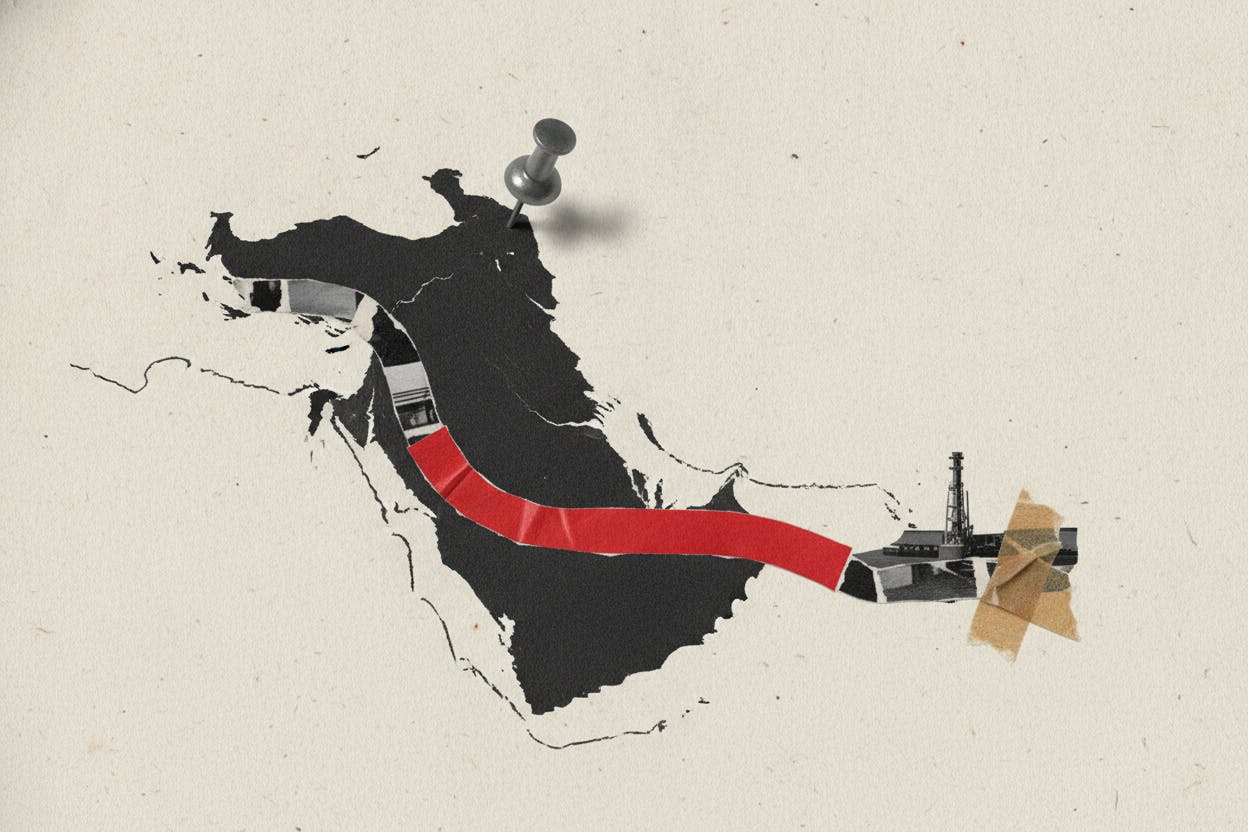
The Gulf region has been on edge as tensions between the US and Iran have flared in recent weeks, with tit-for-tat strikes raising the specter of a wider confrontation. For investors, the key concern has been the potential for disruptions to oil flows through the Strait of Hormuz, a critical chokepoint for global crude shipments.
Oil prices had spiked earlier this month on those fears, but Monday's slide suggests markets are pricing in a lower probability of a sustained conflict. The drop in crude also helped lift sentiment across Asian stocks, which rose on the same de-escalation hopes.
In Saudi Arabia, the flat close reflects a tug-of-war between the positive macro signal from falling oil and the persistent micro risk of attacks on energy infrastructure. Aramco itself has not commented on the latest incidents, but the company has previously shown resilience in restoring operations quickly after disruptions.
What it means for investors
For everyday investors, the key takeaway is that geopolitical risk remains a double-edged sword for Gulf markets. On one hand, a US-Iran off-ramp could reduce volatility and support equity valuations. On the other hand, any fresh escalation—especially near oil facilities—could quickly reverse the gains.
Dubai's outperformance relative to Saudi Arabia highlights how market reactions can diverge within the same region. Dubai's economy is more diversified, with real estate, tourism, and financial services playing larger roles, making it less directly exposed to oil supply shocks. Saudi Arabia, by contrast, is heavily tied to energy, so attacks near Aramco sites hit closer to home.
Investors should also watch how oil prices evolve in the coming days. If crude continues to slide on de-escalation hopes, Gulf stocks could see further upside. But if the geopolitical situation deteriorates again, energy stocks may come under renewed pressure. For context, energy stocks have been volatile as oil prices have swung on headlines.
For those with exposure to Gulf equities, the flat Saudi market is a reminder that not all regional markets move in lockstep. Diversification across countries and sectors can help manage the risks tied to geopolitical events.
Looking ahead
Investors will be watching for any official statements from Washington or Tehran that could confirm or undermine the de-escalation narrative. The Federal Reserve's next interest rate decision is also on the horizon, which could influence broader emerging-market sentiment. A calmer geopolitical backdrop would give Gulf markets more room to focus on domestic economic data and corporate earnings.
In the meantime, the mixed performance across Gulf bourses underscores the delicate balance between hope and caution. While the prospect of a US-Iran off-ramp is encouraging, the attacks near Aramco sites serve as a stark reminder that the region's stability remains fragile.