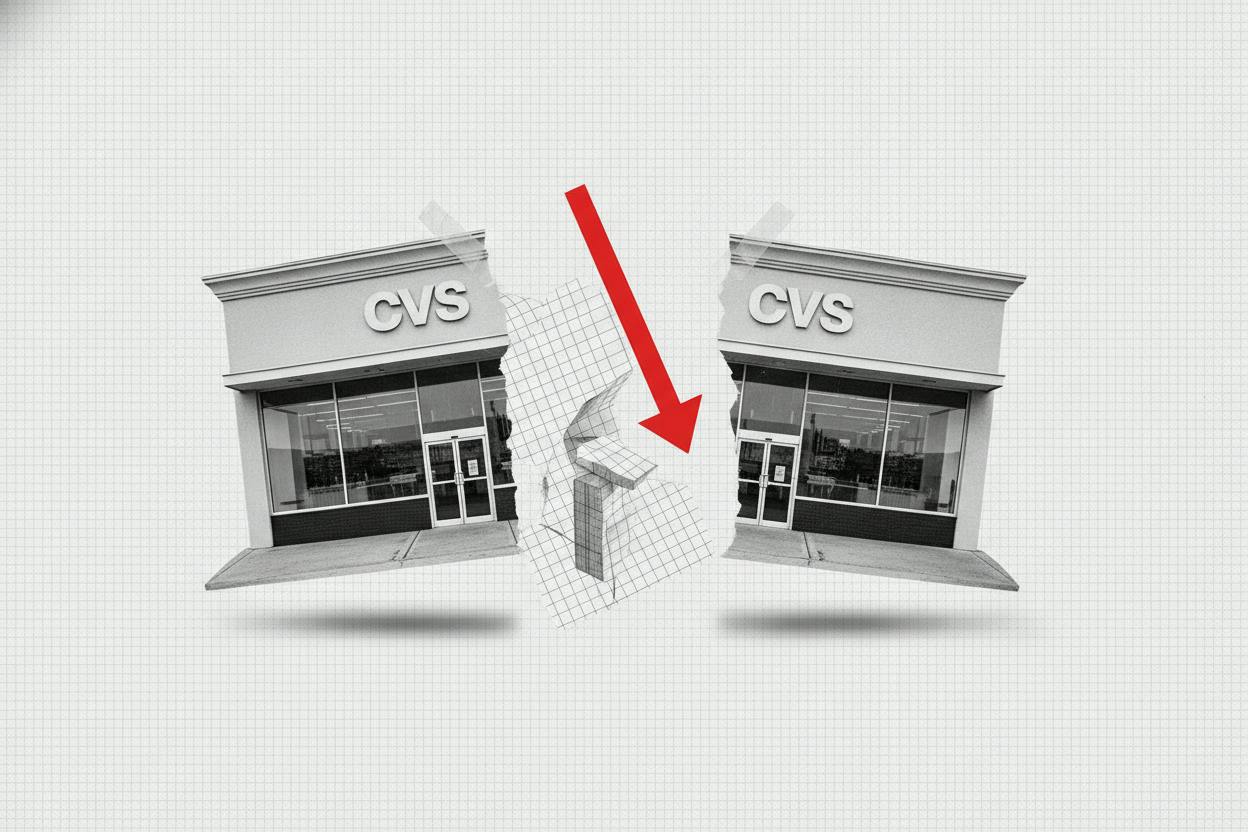
Healthcare stocks broadly rallied on Tuesday, but CVS Health was a notable laggard, plunging more than 12% after the company outlined plans to separate into two publicly traded entities. The NYSE Arca Healthcare Index gained 2.6%, buoyed by strong gains from drugmakers Novo Nordisk and Moderna.
What drove the healthcare rally?
The sector's advance was not tied to a single macroeconomic catalyst but rather to company-specific developments. Novo Nordisk, the Danish pharmaceutical giant known for its weight-loss and diabetes treatments, climbed more than 6% after reporting higher third-quarter sales and raising its long-term outlook. Moderna, the vaccine developer, rose more than 8% after providing updates on its experimental Ebola vaccine program.
These gains helped offset the sharp decline in CVS, which is one of the largest pharmacy chains and healthcare services companies in the United States. The company's breakup plan, which involves splitting into two separate public companies, was met with skepticism by investors, who sent the stock down by double digits.
Why CVS's breakup plan spooked investors
CVS has been under pressure for years as it navigates a challenging retail pharmacy environment, rising competition, and regulatory scrutiny. The company has also faced margin pressures in its pharmacy benefit management (PBM) business, which negotiates drug prices on behalf of insurers and employers.
Breaking up the company is a major strategic shift, and investors often react cautiously to such moves because they introduce uncertainty. The split could involve separating its retail pharmacy operations from its insurance and PBM businesses, but the details remain unclear. Historically, conglomerate breakups can unlock value, but they also come with execution risks, including costs related to separation and potential disruptions to operations.
For everyday investors, the sharp drop in CVS shares highlights the volatility that can accompany major corporate restructuring announcements. While some investors may see potential upside in a more focused company, others worry about the near-term challenges and the possibility that the split may not deliver the expected benefits.
What it means for investors
The divergence between CVS and the rest of the healthcare sector underscores the importance of looking at individual stocks rather than just sector-wide moves. A rising tide in healthcare does not lift all boats equally, and company-specific news can have outsized impacts.
For those holding CVS shares, the breakup plan raises questions about the future dividend, the allocation of debt, and the strategic direction of each new entity. Investors should monitor further details from the company, including the timeline and structure of the split, as well as any potential regulatory hurdles.
On the broader healthcare front, the rally led by Novo Nordisk and Moderna reflects ongoing investor interest in areas like obesity treatments and vaccines, which have been growth drivers for the sector. However, these stocks can be volatile, and valuations are often high, so investors should consider their own risk tolerance.
As always, it's wise to diversify across sectors and not over-concentrate in any single stock, especially one undergoing a major transformation like CVS. The healthcare sector as a whole remains a staple of many portfolios, but individual stock picks require careful research.
For more on how broader market moves are affecting stocks, see our coverage of how CVS's drop fits into a broader market rally and how political shifts are influencing investor sentiment.