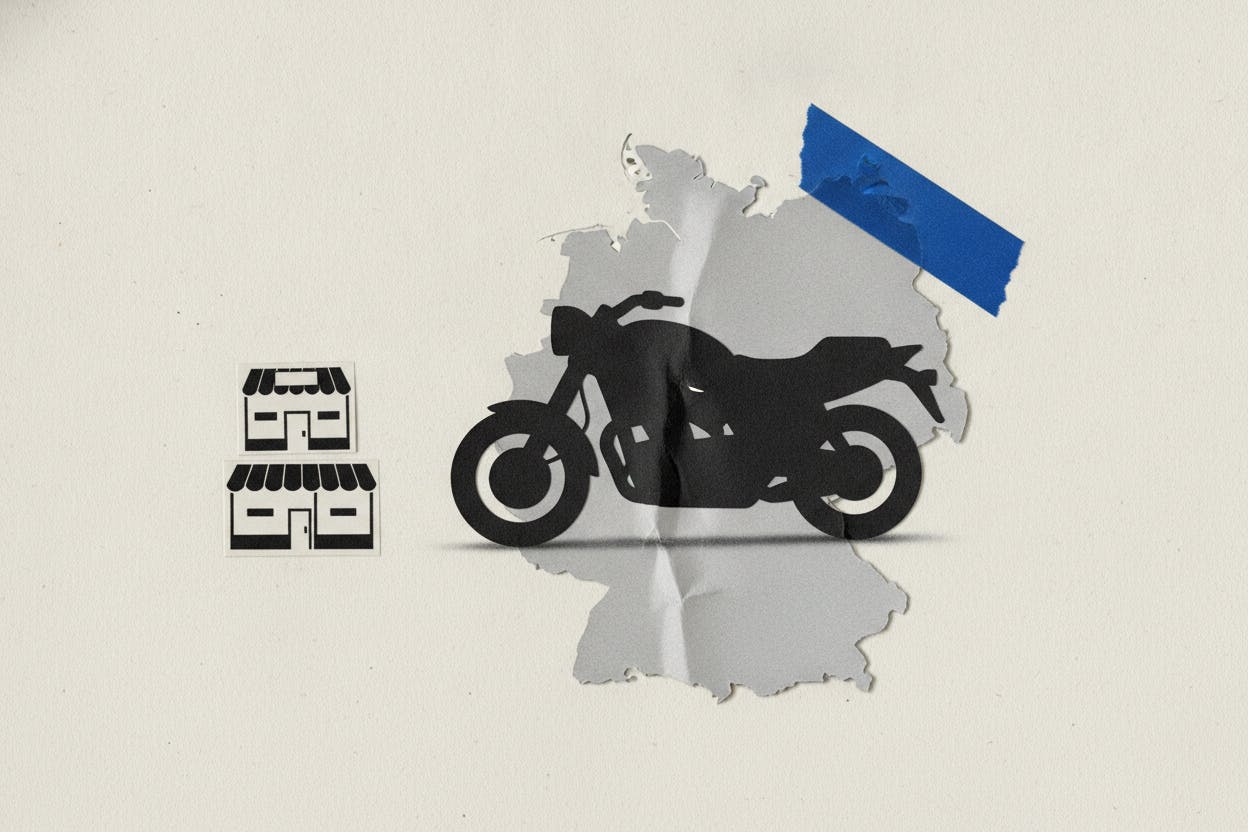
India's largest motorcycle maker by volume, Hero MotoCorp, has officially entered the German market through a partnership with Austria-based distributor KSR Group. The deal will see premium models like the XPulse 200 4V sold across more than 28 sales and service outlets in Germany, marking a significant step in the company's push into higher-value European markets.
How the Partnership Works
Rather than building its own dealer network from scratch—a slow and capital-intensive process—Hero is leaning on KSR Group's existing infrastructure. KSR already distributes and supports brands such as Royal Enfield (owned by Eicher Motors) and Japan's Kawasaki in the region. This gives Hero ready-made storefronts and after-sales support, which is critical in Germany where a new brand's success often hinges on whether owners can quickly get parts, repairs, and warranty service.
The tradeoff is that a distributor typically keeps part of the retail margin, and the manufacturer has less control over pricing, customer experience, and how aggressively the range is marketed. KSR has indicated it plans to expand coverage to 30 sales points, suggesting early confidence in the partnership.
Why Germany Matters for Hero
Hero MotoCorp is India's largest motorcycle maker by volume, but its home market is increasingly competitive. Expanding into "high-value" regions like Europe, where bikes sell for higher prices and brand perception is a key factor, is part of a broader strategy to diversify revenue and build a global footprint. The company recently reported 40% year-on-year growth in its global business in fiscal year 2026, so Germany becomes a real-time test of whether that pace can hold as it scales in tougher, more competitive markets.
Hero has used a similar distributor-led approach in the UK through MotoGB, so the German launch is not an entirely new experiment. But Europe's largest economy presents distinct challenges: stricter emissions standards, a mature motorcycle market, and strong incumbents like BMW, Honda, and KTM. The XPulse 200 4V, a dual-sport model, targets a niche but growing segment of adventure-style riders.
What It Means for Investors
For investors tracking global expansion stories, this launch is essentially an economics test. Using KSR's network turns a slow, capital-intensive dealer buildout into a faster, variable-cost route to market. That can help volumes ramp without big up-front spending, which is attractive for a company that also needs to invest in R&D and domestic operations.
But the distributor model also means sharing profits and giving up some control over the brand and service experience. In a market like Germany, where customer expectations are high, any missteps in service quality could hurt Hero's reputation before it gains a foothold. The key question is whether Hero can grow in Europe while protecting profitability. If the distributor-led approach works, it could become a template for other countries. If it struggles, it may signal that cracking high-value markets requires more direct investment than the company wants to make.
Broader market conditions also matter. Indian stocks have been navigating headwinds from rising oil prices and global uncertainty, as seen in recent market moves (Indian Stocks Edge Up as IT Rebounds; Oil Stays Near $85 on Iran Strikes). Hero's international push comes at a time when Indian auto companies are increasingly looking abroad for growth, but currency fluctuations and geopolitical risks remain factors to watch.
Looking Ahead
The German launch is still in its early stages, and investors will want to see sales numbers and customer feedback before drawing conclusions. Hero's next quarterly results will likely include some initial data on European volumes, and any commentary on the partnership's performance will be closely watched. For now, the move signals that Hero is serious about becoming a global player, but the real test is whether it can execute in a market where brand loyalty and service quality are paramount.