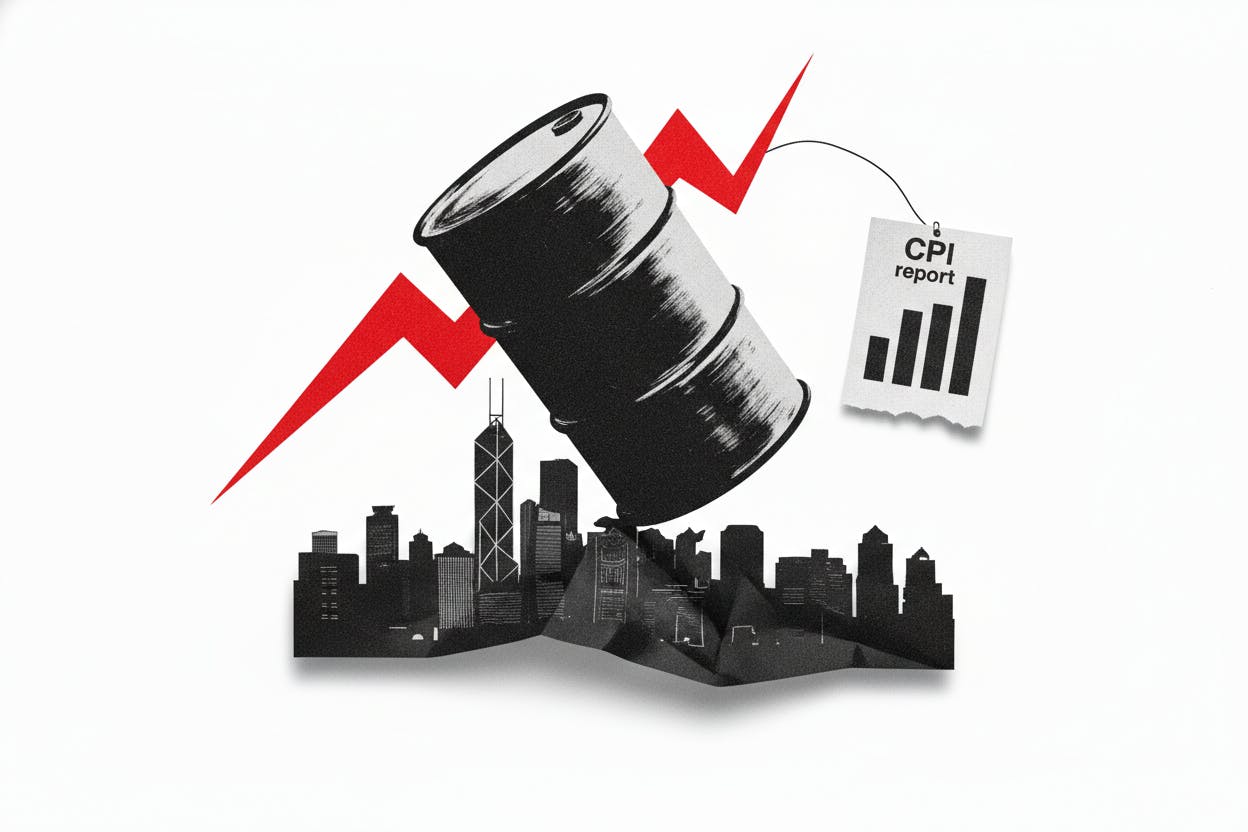
Hong Kong stocks fell on Tuesday, with the Hang Seng Index dropping 1.1%, as rising oil prices and lingering uncertainty over US-Iran negotiations dampened investor sentiment. The Hang Seng China Enterprises Index also slipped by the same margin, according to MT Newswires.
The decline comes as traders turn their attention to Wednesday's US consumer price index (CPI) report, which could provide crucial clues about the Federal Reserve's next move on interest rates. A hotter-than-expected inflation reading would likely reinforce expectations that the Fed will raise rates in September, while a cooler number could ease those bets.
Why oil matters for markets
Oil's rise is more than just a story at the pump. Crude prices feed directly into inflation expectations, as energy costs ripple through everything from transportation to manufacturing. When oil climbs, it can push overall price pressures higher, complicating the Fed's fight against inflation.
The uncertainty around US-Iran talks adds another layer. Negotiations over Iran's nuclear program and oil exports have been a key factor in crude price movements. If talks stall, the market may worry about potential supply disruptions, which could keep oil elevated. Conversely, a breakthrough could ease supply concerns and pull prices down.
For Hong Kong, an export-driven economy, higher energy costs can squeeze corporate margins and weigh on consumer spending. That's one reason the Hang Seng reacted negatively to the oil move.
The Fed's September decision
The Federal Reserve has been navigating a delicate path between taming inflation and avoiding a recession. After a series of rate hikes over the past year, the central bank has signaled that future moves will depend on incoming data. Wednesday's CPI report is the next major data point that could shape the September decision.
If inflation remains sticky, the Fed may feel compelled to raise rates again, which would strengthen the US dollar and put pressure on emerging markets, including Hong Kong. A stronger dollar makes dollar-denominated debt more expensive for Asian companies and can pull capital out of regional markets.
On the other hand, if inflation shows signs of cooling, the Fed might hold off, providing some relief to Asian equities. That's why traders are hanging on every data release.
What it means for investors
For everyday investors, the key takeaway is that global markets are still highly sensitive to inflation and interest rate expectations. A single data point can move markets, and Hong Kong stocks are no exception.
Investors should watch how the CPI report lands and how the Fed responds. A surprise in either direction could trigger volatility not just in Hong Kong, but across Asian markets. The recent slip in Chinese stocks amid stalled US-Iran talks shows how geopolitical headlines can quickly shift sentiment.
Oil prices are another factor to monitor. If crude keeps climbing, it could feed into broader inflation, making the Fed's job harder and potentially leading to more aggressive rate action. That would be a headwind for growth stocks and emerging markets.
At the same time, investors should keep an eye on regional trends. For instance, South Korean stocks have risen on strong chip exports, but risks remain. And foreign investors pulled $25.5 billion from Asian stocks in July, led by Taiwan, highlighting the fragile sentiment in the region.
Ultimately, the next few days could set the tone for markets into the fall. The inflation report is not just a number—it's a signal about the cost of borrowing, the strength of the dollar, and the health of the global economy. For investors, staying informed and diversified remains the best strategy.