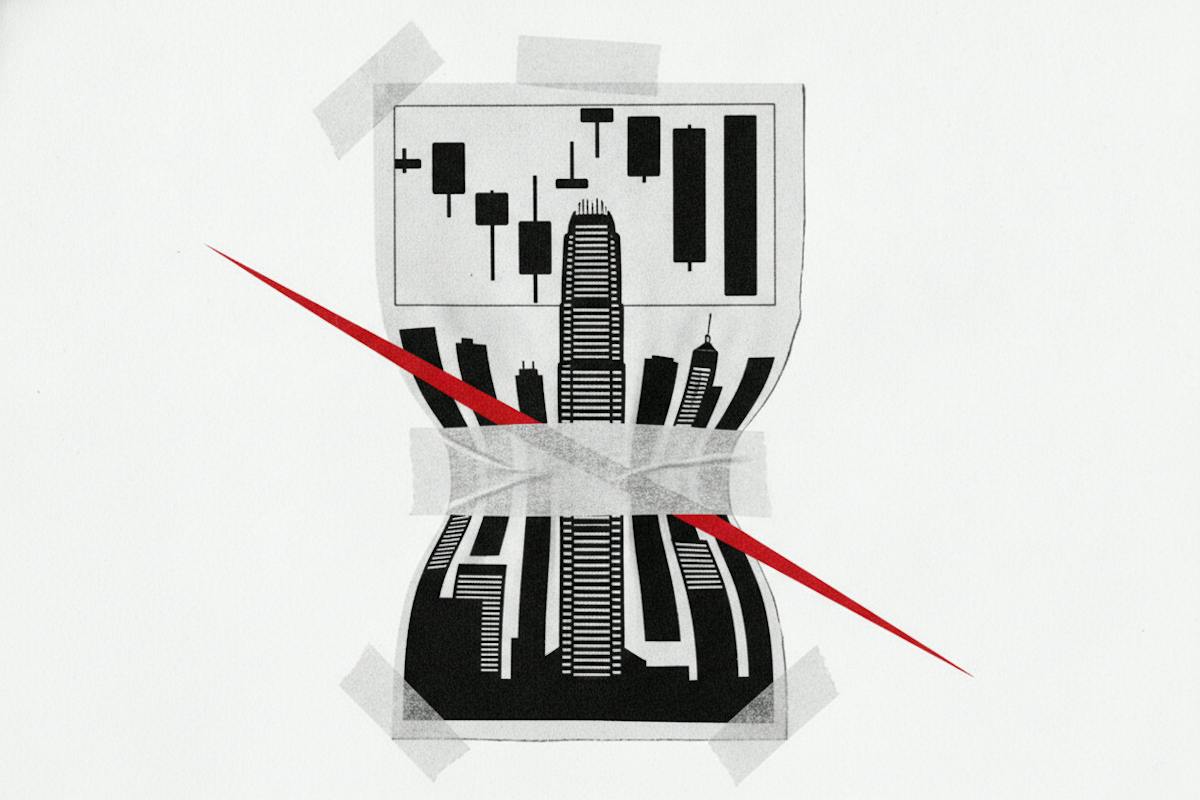
Hong Kong's tech-heavy stock market took a hit on [day], as investors once again braced for potential US tariffs and renewed scrutiny of Chinese companies. The Hang Seng Index fell 1.1%, while the more growth-focused HKEX Tech 100 dropped a sharper 2.7%, with artificial intelligence and semiconductor stocks bearing the brunt of the selling.
The move echoed a familiar pattern: a down day for Wall Street's tech leaders, followed by a sell-off in Asian markets that have become closely tied to the global AI trade. Reports that the US is considering new tariffs on major trading partners, including China, added fresh fuel to the fire. Tariff talk doesn't just threaten demand for goods—it can also disrupt supply chains and raise the risk of sudden policy shifts, which is why investors tend to react quickly.
Why tech and chips are in the crosshairs
The selling was concentrated in the sectors that have led the recent rally in Hong Kong and across Asia: AI and chip stocks. These companies are seen as high-growth but also highly sensitive to changes in trade policy. A tariff on Chinese goods, or tighter restrictions on technology exports, could directly hit their revenue and profit margins.
This isn't the first time such worries have rattled markets. Earlier this year, similar fears triggered a sell-off in Asian chip stocks, with Taiwan and South Korea also feeling the pinch. The current slide in Hong Kong appears to be part of the same broader concern, as investors weigh the risk of a renewed trade war between the world's two largest economies.
For everyday investors, the key takeaway is that tech stocks—especially those tied to AI and semiconductors—can be volatile when trade tensions flare. These companies often have complex global supply chains, and any disruption can quickly affect their earnings outlook.
What this means for your portfolio
If you hold Hong Kong tech stocks or funds that track them, you're likely feeling the sting of today's decline. But it's important to remember that such moves are often part of normal market cycles. The AI and chip sector has been on a tear over the past year, and pullbacks like this can be a healthy correction.
That said, tariff risk is a real headwind. If the US follows through with new tariffs, it could weigh on earnings for Chinese tech companies and their suppliers. On the other hand, if trade tensions ease, these stocks could rebound quickly, as they have in the past.
Investors should also keep an eye on the broader economic backdrop. A similar risk-off mood has been seen in other markets, with eurozone yields sliding as AI doubts and cheaper oil sparked a flight to safety. And in Japan, the Nikkei dropped 3% as AI favorites slid, though defensive stocks helped cushion the fall.
What to watch next
Investors will be watching for any official announcements from Washington regarding tariffs, as well as how Chinese authorities respond. Also on the radar are upcoming economic data releases, such as the US personal consumption expenditures (PCE) price index, which could influence the Federal Reserve's interest rate decisions.
For now, the message from the market is clear: trade policy remains a wildcard. While the long-term growth story for AI and tech remains intact, short-term volatility is likely to continue as long as tariff uncertainty persists.
As always, diversification is key. Having a mix of asset classes and geographies can help cushion the impact of a single market's swings. And if you're investing for the long term, a single day's drop—even a sharp one—shouldn't derail your strategy.