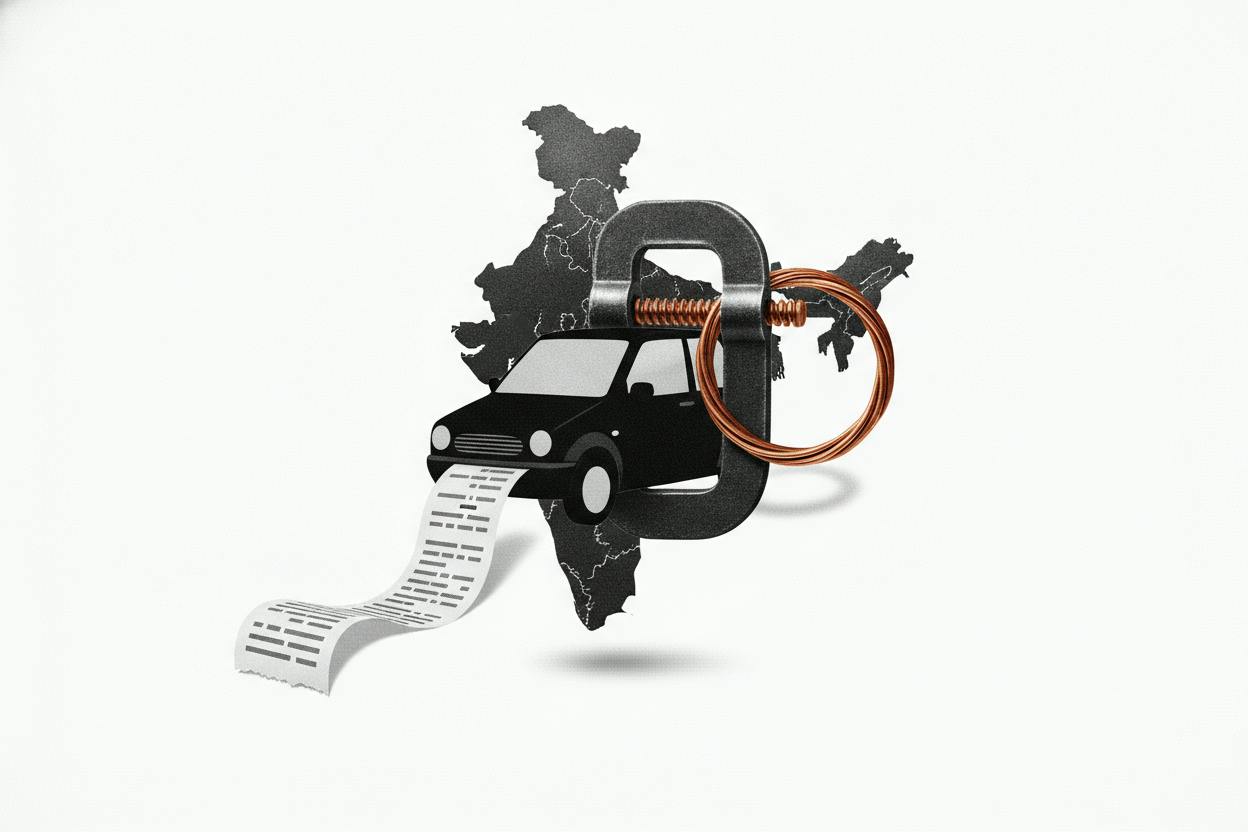
Two of India's largest carmakers are set to make their vehicles more expensive next month. Hyundai Motor India and Tata Motors Passenger Vehicles have both announced price increases effective December 1, citing rising costs for raw materials and ongoing supply-chain pressures.
Hyundai said it will raise prices on select models and variants by up to 8,000 rupees (about $95). Tata, meanwhile, will increase prices by an average of 0.5% across its lineup, which includes both petrol and diesel cars as well as electric vehicles (EVs). The moves follow a similar signal from market leader Maruti Suzuki, suggesting that the entire Indian auto industry is passing on higher costs to consumers.
Why are prices going up?
The companies point to two main factors. First, the cost of key raw materials—especially steel and copper—has been climbing. These metals are essential for car bodies, wiring, and numerous components, and their prices have been volatile globally. Second, they cite supply-chain stress linked to the Middle East conflict, which can raise shipping and sourcing costs even if factories continue to operate normally.
For automakers, these rising input costs squeeze profit margins. When the cost of making a car goes up, companies have a choice: absorb the hit and accept lower profits, or pass some of the increase on to buyers. With competition in India's car market intense, automakers often hesitate to raise prices, but when costs rise persistently, they tend to act—often in a coordinated way.
This is not an isolated event. In recent months, several automakers in India have announced price hikes, and more may follow. The industry-wide nature of these increases suggests that the cost pressures are broad-based, not specific to one company.
What it means for your wallet
For an individual buyer, a price hike of 8,000 rupees or even 0.5% might not sound like much. But the actual impact on your wallet can be larger than the headline number.
Car prices in India are typically quoted as the “ex-showroom” price, which is the price of the vehicle before taxes, registration, and insurance. However, the final “on-road” price—what you actually pay—includes several additional charges. Many of these fees, such as registration costs and some taxes, are calculated as a percentage of the vehicle's value. So when the ex-showroom price goes up, these percentage-based fees also rise, making the total increase bigger than the initial price bump.
For example, if a car's ex-showroom price rises by 8,000 rupees, the on-road price could increase by more than that, depending on the state's tax structure and other charges. If you're financing the purchase with an auto loan, a higher on-road price means a larger loan principal, which can push up your monthly payments even if the interest rate stays the same.
Given that Tata is raising prices across its entire range—including its popular EVs—and Maruti has hinted at its own hikes, this looks less like a one-off and more like a broader year-end reset for mainstream car budgets. If you're in the market for a new car, it may be worth factoring these increases into your planning.
Investor perspective
For investors, these price hikes are a sign that automakers are trying to protect their margins in a challenging cost environment. Steel and copper prices have been volatile, and supply-chain disruptions—whether from geopolitical tensions or other factors—can add to production costs. By raising prices, companies aim to maintain profitability, which is generally positive for their earnings.
However, there's a risk: if price increases are too steep or come too frequently, they could dampen consumer demand. India's car market is price-sensitive, and buyers may delay purchases or opt for cheaper alternatives if prices rise too much. Automakers will be watching sales data closely in the coming months to see how consumers react.
The broader context is also important. India's economy has been growing, and the auto sector is a key indicator of consumer confidence. If price hikes are absorbed without a significant drop in sales, it could signal that demand remains strong. On the other hand, if sales falter, it might suggest that consumers are feeling the pinch.
For those invested in auto stocks, these announcements are a reminder that input costs and supply chains are major factors to monitor. Companies that can manage costs effectively while maintaining demand are likely to fare better.
What to watch next
In the coming weeks, watch for whether other automakers follow suit and how consumers respond. Also keep an eye on commodity prices—if steel and copper costs ease, some of the pressure on automakers might lift. And with the Middle East conflict still creating uncertainty, shipping and logistics costs could remain elevated.
For everyday investors, the key takeaway is that price hikes like these are a normal part of the business cycle. They reflect real-world costs, and they can affect both your personal budget and the performance of companies in the auto sector. Staying informed about these trends can help you make better decisions, whether you're buying a car or evaluating your investments.