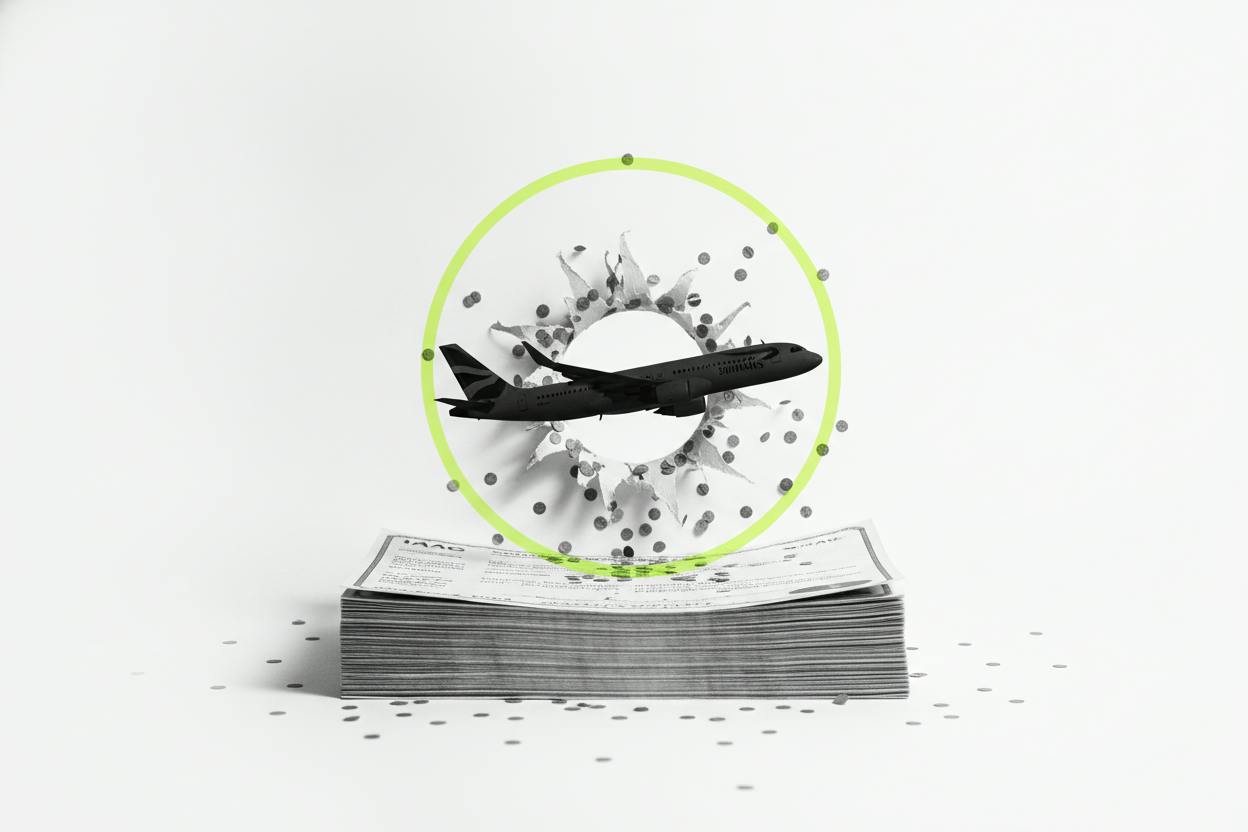
International Airlines Group (IAG), the parent company of British Airways and Iberia, launched a €500 million share buyback program on Friday. The move adds to a busy stretch for Spanish corporates, which have been making headlines with energy deals and new electric vehicle technology.
A share buyback is when a company uses its own cash to repurchase shares from the market, often canceling them. That reduces the total number of shares outstanding, which means each remaining share represents a slightly larger ownership stake in the company. For IAG, this is a way to return capital to shareholders after a period of stronger airline demand, without committing to a recurring dividend that investors might come to expect every year.
Why IAG is buying back shares now
The airline industry is notoriously cyclical, with profits swinging wildly based on fuel prices, economic conditions, and travel demand. After a stronger stretch, IAG's management appears comfortable enough with its cash position to hand some back to investors. But buybacks offer flexibility that dividends don't: if fuel costs spike or demand cools, the company can slow or pause repurchases without the market backlash that often follows a dividend cut.
This flexibility is part of why buybacks are often seen as a confidence signal. By announcing a €500 million program, IAG is effectively telling the market that it believes its balance sheet is solid and its outlook is stable enough to part with that cash.
The timing also fits a broader theme across Spanish corporates. Companies in the country have been reshaping their finances through asset sales, partnerships, and targeted expansion to fund growth and manage debt. In that context, IAG's buyback reads less like a one-off gimmick and more like a deliberate signal that management feels good about where the business stands.
What it means for investors
For everyday investors, the key takeaway is how a buyback can affect a stock's metrics. Buybacks don't directly improve how much money an airline makes from selling tickets. But by reducing the number of shares outstanding, they can lift earnings per share and free cash flow per share even if total profit stays flat. That's simple math: the same profit divided by fewer shares equals a higher per-share figure.
Investors often treat buybacks as a sign that a company thinks its stock is undervalued or that it has excess cash it doesn't need for operations or growth. That can influence how the stock is valued relative to other airlines. If IAG can keep returning cash over time, investors may be willing to pay a higher multiple for its shares.
It's also worth noting that buybacks are not the only way companies return cash. Some prefer dividends, which provide a regular income stream. Others reinvest everything back into the business. IAG's choice to use a buyback suggests it wants to reward shareholders while keeping its options open.
Broader corporate activity in Spain
IAG's announcement comes amid a flurry of corporate moves in Spain. Energy deals and new electric vehicle technology have been grabbing headlines, pointing to a wider trend of companies repositioning themselves for the future. While each move is distinct, together they suggest that Spanish businesses are actively managing their portfolios—selling assets, forming partnerships, and investing in growth areas.
For investors, this kind of activity can be a double-edged sword. On one hand, it can unlock value and improve efficiency. On the other, it can signal that a company is struggling to grow organically. In IAG's case, the buyback is a clear sign of financial strength, but it doesn't guarantee future performance. Airlines remain exposed to fuel price volatility, economic downturns, and geopolitical events that can hit travel demand.
Investors should also keep an eye on how IAG funds the buyback. If it's using excess cash, that's one thing. If it's taking on debt to repurchase shares, that could be a red flag. Based on the announcement, the program appears to be funded from existing cash reserves, which is generally seen as a positive.
For those watching the broader market, buybacks have been a recurring theme across industries. Companies in sectors from tech to energy have used them to boost shareholder returns. IAG's move is a reminder that even in capital-intensive industries like airlines, returning cash to investors is possible when conditions are right.
As always, it's important to remember that a buyback is just one piece of the puzzle. Investors should look at the full picture—earnings, debt levels, competitive position, and industry trends—before making any decisions. But for now, IAG's €500 million program is a clear signal that management believes the airline's best days may still be ahead.