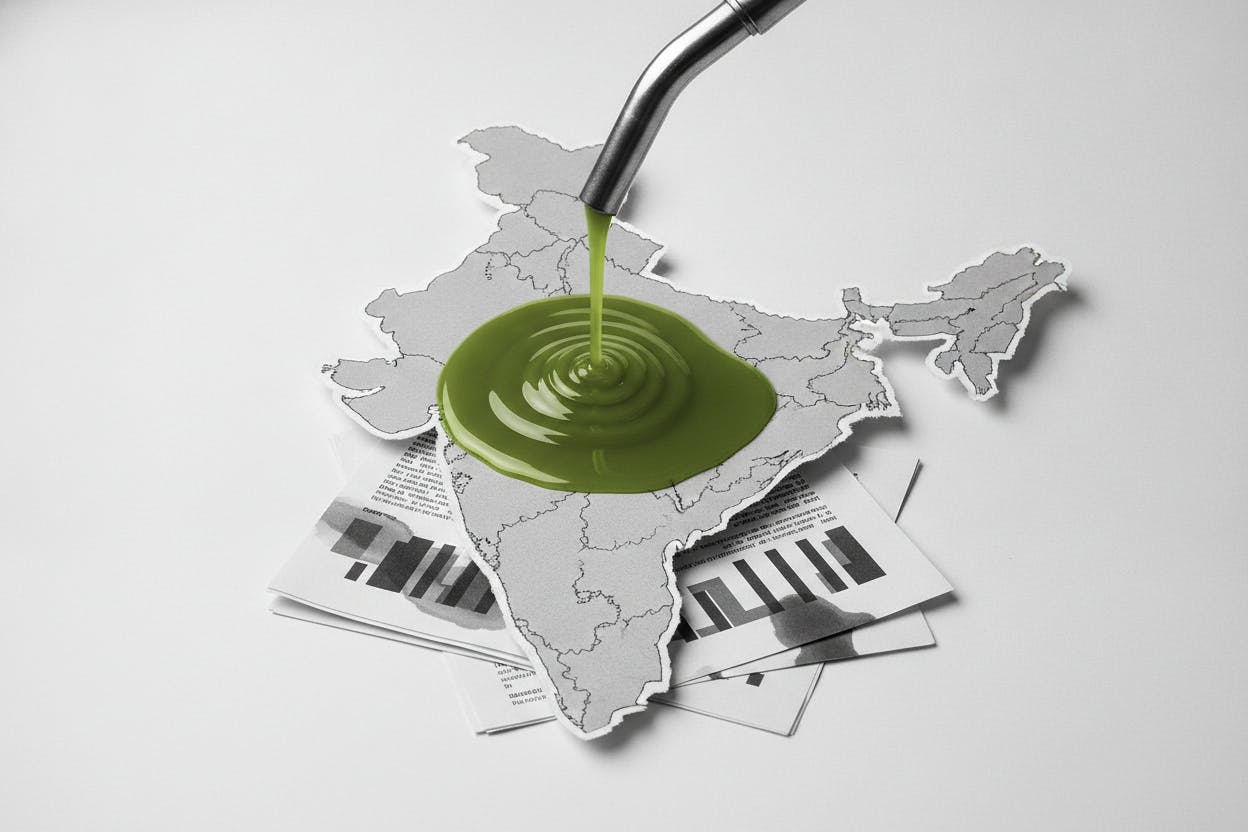
India, the world's largest buyer of edible oils, brought in the most cooking oil in ten months during July, as refiners rushed to build inventories ahead of the busy festival season that runs from August through November. Imports jumped 33% from the previous month to 1.48 million tons, according to the Solvent Extractors' Association of India (SEA), an industry body.
The surge was led by palm oil, which is the most widely consumed edible oil in the country. Palm oil shipments climbed about 50% from June to 730,965 tons, while soybean oil rose 31% to 498,881 tons. Sunflower oil, a smaller but still significant import, inched up roughly 4% to 251,639 tons.
SEA noted that its figures exclude some duty-free inflows that arrive by land via Nepal, meaning the true total could be even higher than reported.
Why refiners are stocking up
The August-November period is a peak demand season in India, marked by major festivals such as Diwali, Dussehra, and Eid. During these months, households and food businesses typically increase their purchases of cooking oils, and refiners need to have enough supply on hand to meet that demand.
By importing heavily in July, refiners are essentially front-loading their purchases to avoid any last-minute supply crunches or price spikes later in the season. This is a common pattern in India's edible oil market, where importers tend to build inventories ahead of known demand peaks.
The jump in imports also reflects a broader trend: India relies on imports for roughly 55-60% of its edible oil consumption. The country grows some oilseeds domestically, but production falls far short of demand, making it heavily dependent on overseas suppliers such as Indonesia, Malaysia, and Argentina.
What this means for prices and inflation
Higher imports are generally seen as a sign of healthy demand, but they can also put upward pressure on global edible oil prices. When India, a major buyer, steps up purchases, it can tighten global supplies and push prices higher, which then feeds back into domestic costs.
For Indian consumers, the impact is twofold. On one hand, adequate imports help keep shelves stocked and prevent acute shortages. On the other, if global prices rise, the cost of cooking oil at the local kirana store could climb. Edible oil is a key component of India's food inflation, and any sustained increase can ripple through household budgets.
Recent data already shows that India's retail inflation ticked up to 4.45% in July, with food prices a major driver. While the Reserve Bank of India is widely expected to hold off on rate cuts for now, a sharp rise in edible oil prices could complicate the inflation outlook. For context, India's July inflation ticked up but a rate cut remains unlikely in the near term.
Global market dynamics
The surge in Indian imports comes at a time when global vegetable oil markets are already sensitive to supply disruptions. Palm oil, the most traded edible oil, is produced mainly in Southeast Asia, and weather conditions, labor shortages, and export policies in producer countries can swing prices significantly.
Soybean oil, meanwhile, is closely tied to the US and South American harvests. Any changes in those crops can affect the price India pays for its imports. Sunflower oil, largely sourced from the Black Sea region, has been volatile since the conflict in Ukraine began, though shipments have stabilised somewhat.
India's import appetite is also being watched by global traders because it can set the tone for prices in the coming months. If the festival season demand is strong, India may continue to import at a brisk pace, supporting global prices. If demand disappoints, inventories could build up and weigh on prices.
What investors should watch
For investors, the key takeaway is that India's edible oil imports are a barometer of both domestic consumption and global commodity trends. Companies involved in edible oil refining, trading, and distribution in India could see their margins affected by the cost of raw materials and the pace of demand.
Listed players in the Indian edible oil space, such as Adani Wilmar, Ruchi Soya, and Emami Agrotech, are directly exposed to these dynamics. Their earnings can be influenced by import volumes, global price movements, and government policies on tariffs and stock limits.
On the global side, companies like Wilmar International and Bunge, which are major players in the vegetable oil trade, could also feel the impact of India's buying patterns. A surge in imports often signals strong demand, which can be positive for these firms' trading volumes.
However, investors should be cautious about reading too much into a single month's data. Import volumes can be lumpy, and refiners may adjust their buying based on price expectations and inventory levels. A more reliable signal would be a sustained trend over several months.
Also worth noting is the broader context of India's economy. The country's appetite for imported commodities, including edible oils, is a reflection of its growing middle class and changing dietary habits. As incomes rise, consumption of cooking oils tends to increase, which supports long-term demand growth.
That said, the immediate focus for markets will be on how the festival season unfolds. If demand is robust, India's imports could remain elevated, providing a tailwind for global edible oil prices. If not, the current stockpiling could lead to a slowdown in purchases later in the year.
For now, the July numbers suggest that Indian refiners are betting on a strong festive season, and they are putting their money where their mouth is by locking in supplies early.