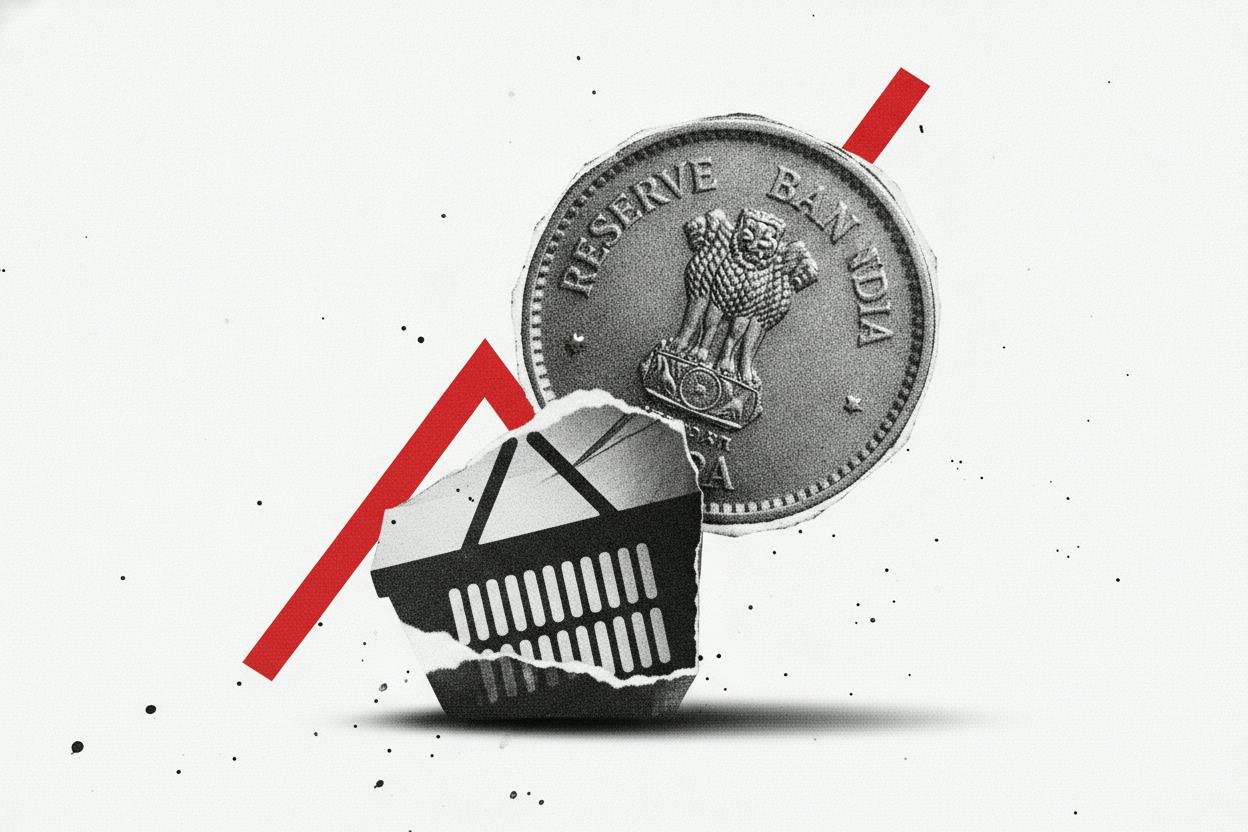
India's inflation accelerated again in September, with consumer prices rising 5.54% from a year earlier, according to data cited by Reuters. The reading came in slightly above the 5.4% median forecast and marked the fourth consecutive month that inflation has exceeded the Reserve Bank of India's (RBI) 4% target.
The persistent overshoot has hardened expectations that the RBI will continue raising interest rates, even as some analysts question the strength of underlying demand.
What's driving the price pressures?
Economists point to food prices as the main culprit. Below-normal rainfall in parts of the country can squeeze agricultural supplies, pushing up costs for vegetables, grains and other staples. Higher fuel prices add to the strain by filtering through to transport and other everyday expenses, creating a broad-based cost pressure that is hard for households to avoid.
This mix matters because the RBI sets interest rates partly to prevent temporary price spikes from turning into a broader, longer-lasting inflation problem. When food and fuel costs rise, they can feed into wages and other prices, making it harder to bring inflation back to target.
Rate hike expectations firm up
Oxford Economics, a research firm, now expects the RBI to deliver two quarter-point rate hikes, one in December and another in February. The firm notes, however, that underlying demand still looks relatively soft, which could limit how aggressively the central bank moves.
For investors, the key takeaway is not just today's price level but what it signals about the RBI's next few meetings. When inflation beats forecasts, markets tend to adjust their expectations for future policy moves. If investors start to price in additional quarter-point hikes, the first place that shift typically shows up is at the front end of the interest-rate market—short-maturity Indian government bonds and rupee overnight index swaps, which are contracts tied to where markets think policy rates are headed.
What it means for investors
Higher expected policy rates can lift near-term rupee borrowing costs, especially for companies and households that are rolling over debt or holding loans with rates that reset frequently. This could weigh on sectors that are sensitive to interest rates, such as real estate, autos and consumer durables.
On the other hand, the RBI's tightening cycle may also support the rupee, as higher rates tend to attract foreign capital. That dynamic was already visible in recent weeks, with the central bank stepping in to support the currency. For a broader view of how these moves are playing out, see our earlier coverage of the RBI's rupee support and its impact on stocks.
Indian equity funds have also seen inflows hit a five-month high, as local investors offset foreign selling. That resilience could continue if the economy holds up despite higher rates, but it also means markets are vulnerable to any disappointment in growth data.
Looking ahead
The next key data point will be the RBI's policy meeting in December, where the central bank will have to balance inflation risks against signs of softening demand. If food and fuel prices remain elevated, another hike looks likely. But if growth falters, the RBI may choose to pause and let the current tightening work through the economy.
For everyday investors, the message is to stay alert to how rate expectations evolve. Rising rates can affect everything from bond prices to loan EMIs, so it's worth keeping an eye on inflation prints and central bank commentary. As always, diversification and a long-term perspective remain your best tools.