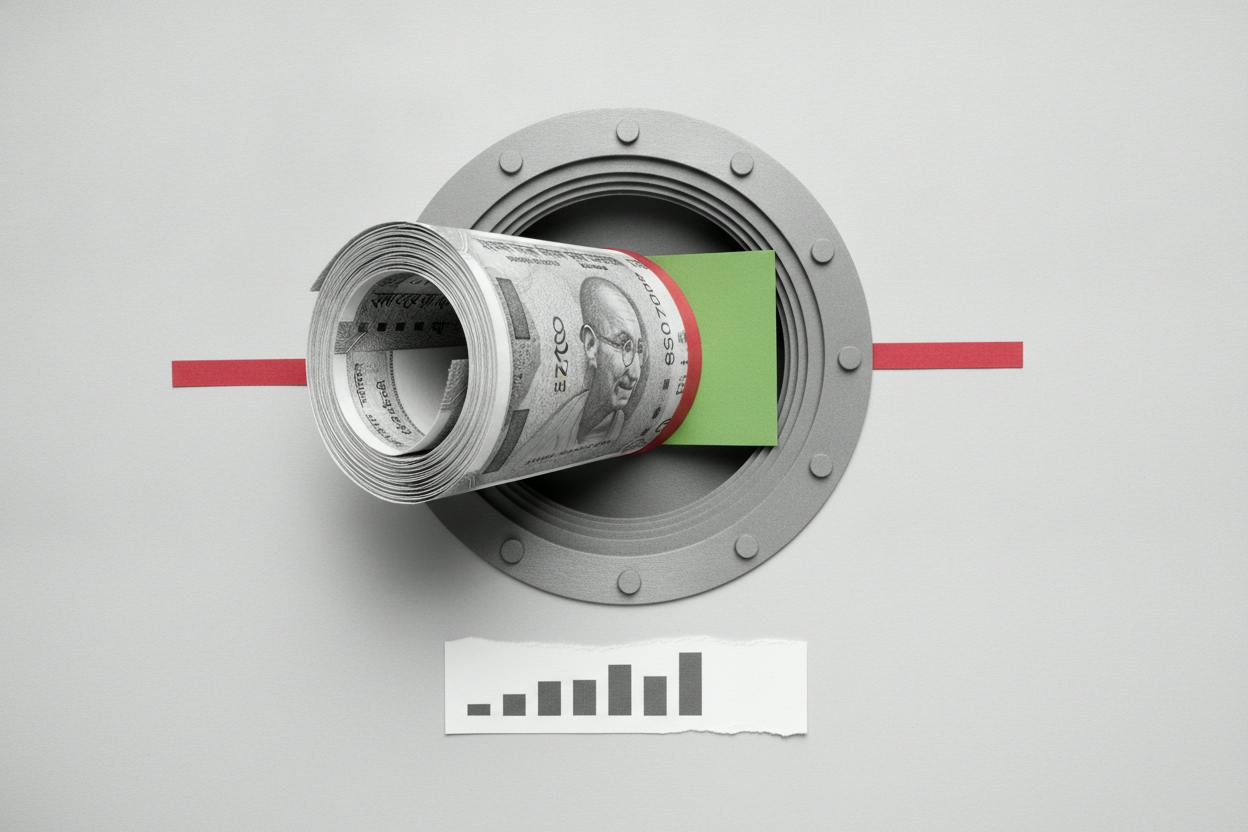
India's largest banks are urging the Reserve Bank of India (RBI) to soak up a record 9.7 trillion rupees (about $116 billion) of surplus liquidity using dollar/rupee foreign-exchange swaps, rather than raising the cash reserve ratio (CRR) that banks must hold against deposits. The request, made during recent consultations, reflects lenders' preference for a tool that drains cash without directly hitting their profitability.
Why is there so much extra cash?
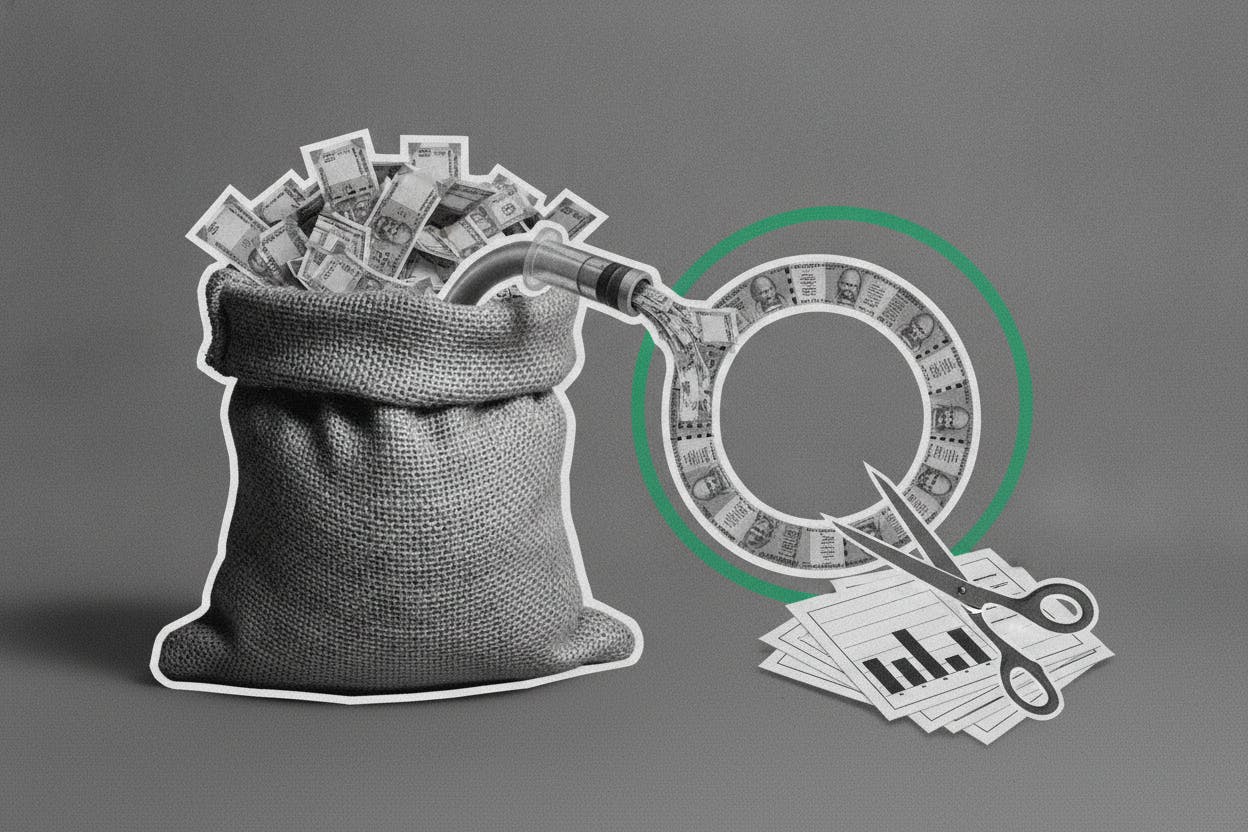
The liquidity glut traces back to a special RBI program that attracted roughly $127 billion in foreign-currency deposits from non-resident Indians. When those dollars were swapped into rupees, the central bank injected a large amount of local currency into the banking system. That money has stayed parked, leaving banks with far more cash than they need for day-to-day operations.
Under the proposed dollar/rupee sell/buy swap, the RBI would first sell dollars to banks in exchange for rupees, thereby pulling rupees out of circulation. At a later date, the central bank would buy back those dollars, returning the rupees. This two-step process temporarily reduces the cash available in the banking system, helping to bring liquidity back to more normal levels.
Why not just raise the cash reserve ratio?
The cash reserve ratio is the share of deposits that banks must keep with the RBI as a reserve. Raising it would force banks to lock up more money with the central bank, but it would also reduce the funds available for lending and could squeeze bank margins. Banks argue that using FX swaps is a more flexible and less disruptive way to manage liquidity, as it does not permanently tie up their capital.
Moreover, the RBI has a history of using such swaps to manage both liquidity and the exchange rate. By selling dollars in the spot market and buying them back later, the central bank can also support the rupee, which has been under pressure from global factors. The approach is seen as a 'win-win' for both the central bank and lenders.
What it means for investors
For everyday investors, the outcome matters because it influences short-term interest rates and bank profitability. If the RBI opts for FX swaps, it could keep money market rates from spiking, which would be positive for borrowers and bond holders. On the other hand, a CRR hike would likely reduce the amount banks can lend, potentially slowing credit growth and hitting bank stocks.
Investors in Indian bank shares will be watching closely. A CRR increase is often viewed as a negative for bank earnings, as it reduces the funds available for interest-earning loans. By contrast, using FX swaps could be seen as a more market-friendly approach, preserving bank margins while still tightening liquidity.
The RBI's decision will also have implications for the rupee and the broader currency market. A dollar/rupee swap that involves selling dollars could help stabilise the rupee, which has been volatile amid global trade tensions and shifting interest-rate expectations. Recent moves in the dollar have already influenced Asian currencies, as seen in the dollar's recent slip and its impact on regional exchange rates.
What to watch next
The RBI is expected to announce its liquidity management measures in the coming weeks, possibly at its next monetary policy review. Analysts will be looking for signals on whether the central bank prefers swaps, a CRR hike, or a combination of tools. The scale of the surplus—at a record high—means the RBI will need to act decisively to prevent excess cash from fuelling inflation or undermining its policy stance.
For now, the banks' proposal highlights a broader debate about how central banks manage liquidity in a world of large capital inflows. The RBI's choice will not only affect India's financial system but also offer clues about its approach to balancing growth, inflation, and currency stability.
Investors should keep an eye on the RBI's communications and any changes in short-term rates. A smooth draining of liquidity could support bond prices and keep borrowing costs stable, while a more aggressive move might rattle markets. As always, the key is to stay informed and understand how policy decisions ripple through the economy.