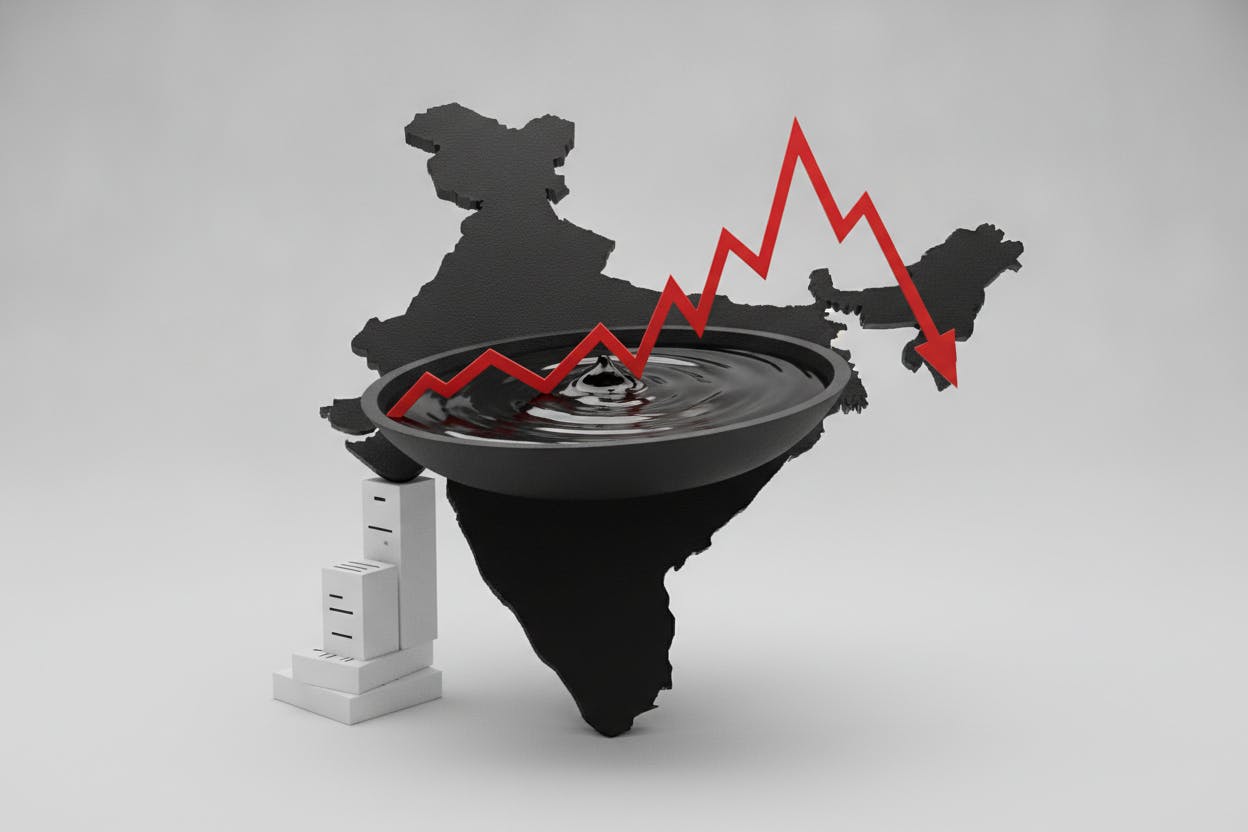
Indian stocks ended Thursday in a mixed and jumpy fashion, with the Nifty 50 barely moving while the BSE Sensex slid late in the session. The day's action was dominated by a choppy closing auction and firmer oil prices, which together kept investors on edge.
The Nifty 50 slipped 0.17%, while the BSE Sensex fell 0.55%. According to Reuters, the Sensex briefly sank as much as 2.5% during the closing auction, a sharp move that underscored how thin trading can amplify swings at the end of the day. The volatility was partly tied to the weekly derivatives expiry, which often leads to outsized moves as traders roll or close positions.
Why the late-day whiplash?
Closing auctions are a relatively short window at the end of the trading day when orders are matched at a single price. They are designed to reduce volatility, but when derivatives expire on the same day, the auction can become a battleground for traders adjusting positions. That can produce sudden, sharp moves in either direction, as seen on Thursday.
The late slide came despite a positive session for bank shares, which rose on news that the Reserve Bank of India (RBI) had injected $136 billion through currency swap inflows. These swaps are a tool the central bank uses to manage liquidity and support the rupee. For banks, the extra liquidity can ease funding pressures and support lending, which is why the sector gained.
However, the broader market was held back by oil prices, which have been climbing. Brent crude has been hovering near $97 a barrel, a level that raises concerns for India, a major oil importer. Higher oil prices can widen the country's trade deficit, put pressure on the rupee, and feed into inflation, all of which are negative for equities.
What it means for investors
For everyday investors, the takeaway is that Indian markets are in a period of heightened sensitivity. Oil prices are a key swing factor, and any sustained rise could weigh on corporate margins and consumer spending. The RBI's swap inflows are a supportive factor, but they may not be enough to offset external pressures.
The late-session volatility also serves as a reminder that short-term trading can be unpredictable, especially around derivatives expiries. For long-term investors, such moves are often noise, but they can be unsettling. It's a good time to review your portfolio's exposure to sectors that are sensitive to oil prices, such as airlines, paints, and other energy-intensive industries.
Investors will likely keep a close eye on global oil prices and any further central bank actions. The cautious mood in Indian stocks is likely to persist as long as oil remains elevated. Meanwhile, the broader Asian region is also feeling the pinch, with stocks stalling as Brent crude climbs.
In Europe, stocks have steadied as bond selloffs cool, but oil staying above $90 continues to be a drag. The global picture is one of caution, with investors weighing the impact of higher energy costs on growth and inflation.
Looking ahead
The immediate focus for Indian markets will be on how oil prices evolve and whether the RBI's liquidity measures provide sustained support. The central bank's swap inflows are a significant step, but they are not a cure-all. If oil continues to climb, the rupee could come under pressure, and that could prompt further intervention.
For now, the market is treading water, with the Nifty 50 holding its ground but unable to push higher. The late-session slide in the Sensex is a cautionary tale about the risks of trading around expiry days. For most investors, the best approach is to stay diversified and focus on the long term, rather than reacting to daily swings.
As always, keep an eye on global cues, including US jobs data and any shifts in oil supply dynamics. These factors will likely set the tone for Indian equities in the coming sessions.



