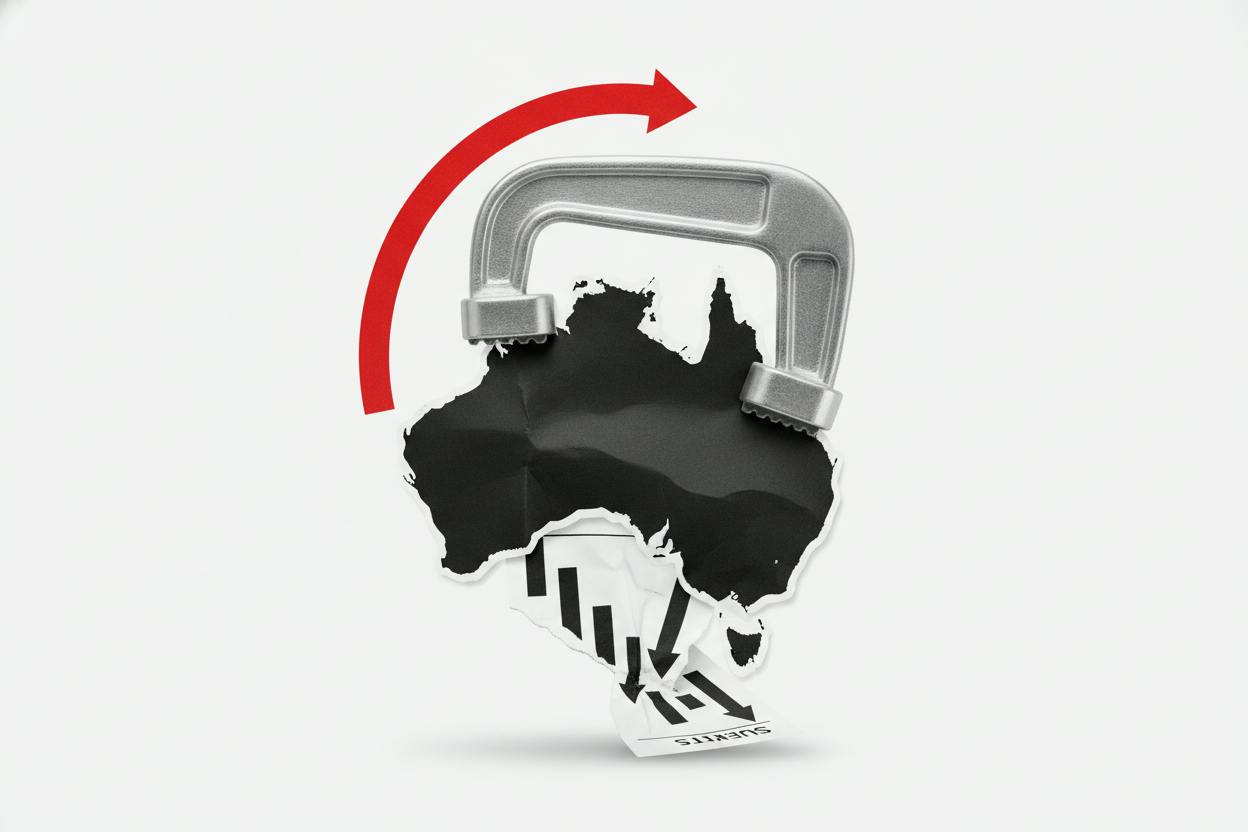
Indian equity markets paused on July 7, with the Sensex and Nifty each slipping 0.13% as investors locked in gains after a four-session rally. But the real action was in currency markets, where the rupee surged 0.45% to 94.9675 per dollar, its biggest one-day gain in about three weeks.
The split move highlights how different forces are driving stocks and currencies right now. While equity traders took profits ahead of the upcoming earnings season, currency traders were reacting to heavy dollar selling in the non-deliverable forward (NDF) market, according to Reuters. That selling forced some traders who had bet against the rupee to close out their positions, amplifying the move.
What is the NDF market and why does it matter?
The non-deliverable forward market is an offshore market where traders can bet on the rupee's future value without actually exchanging rupees. It's popular with foreign investors and hedge funds because India's onshore currency market has restrictions on who can participate. When there's a big move in the NDF market, it can spill over into onshore prices because banks and corporates use forwards to manage future dollar demand. A squeeze offshore can tighten conditions quickly, as seen on July 7.
This is not the first time the rupee has moved on NDF dynamics. In a related development, the rupee had edged up to 95.28 as NDF contracts matured, but corporate dollar demand capped gains. The latest move, however, was sharper and caught some traders off guard.
What it means for investors
For everyday investors, the key takeaway is that a stronger rupee can be a headwind for big exporters, especially Indian IT firms that bill many clients in dollars. When those dollar sales are converted back into rupees, the reported revenue and profit can look smaller, unless companies have hedges in place that lock in an exchange rate ahead of time.
This matters because earnings season is just around the corner. TCS is set to report results soon, and analysts will be listening closely for how much foreign exchange (FX) moved margins last quarter and what management expects if the currency stays firm. The rupee's 0.45% jump to 94.9675 could show up in IT guidance.
For context, the broader market has been on a strong run, with foreign investors returning to Indian bank stocks after a four-month selloff. But the pause in equities on July 7 suggests some caution ahead of earnings, especially with global uncertainties like Middle East tensions and AI spending doubts weighing on sentiment elsewhere.
Broader market context
The Indian market's pause comes as other regional markets also showed mixed signals. Hong Kong stocks dipped as AI valuation fears resurfaced ahead of Fed minutes, while European AI chip stocks slipped as defense names gained on NATO summit focus. In the Middle East, UAE stocks edged higher as oil rose on Strait of Hormuz missile reports, and Malaysia stocks ended a winning streak as Middle East tensions rattled regional markets.
For Indian investors, the key question is whether the rupee's strength will persist. If it does, it could pressure export-oriented sectors like IT and pharmaceuticals. But if the move is just a short-term squeeze in the NDF market, the impact may fade quickly. Either way, the next few weeks of earnings calls will provide more clarity.
As always, investors should focus on company fundamentals and hedging strategies rather than trying to predict short-term currency moves. A diversified portfolio that includes both domestic and export-oriented stocks can help manage the risks.