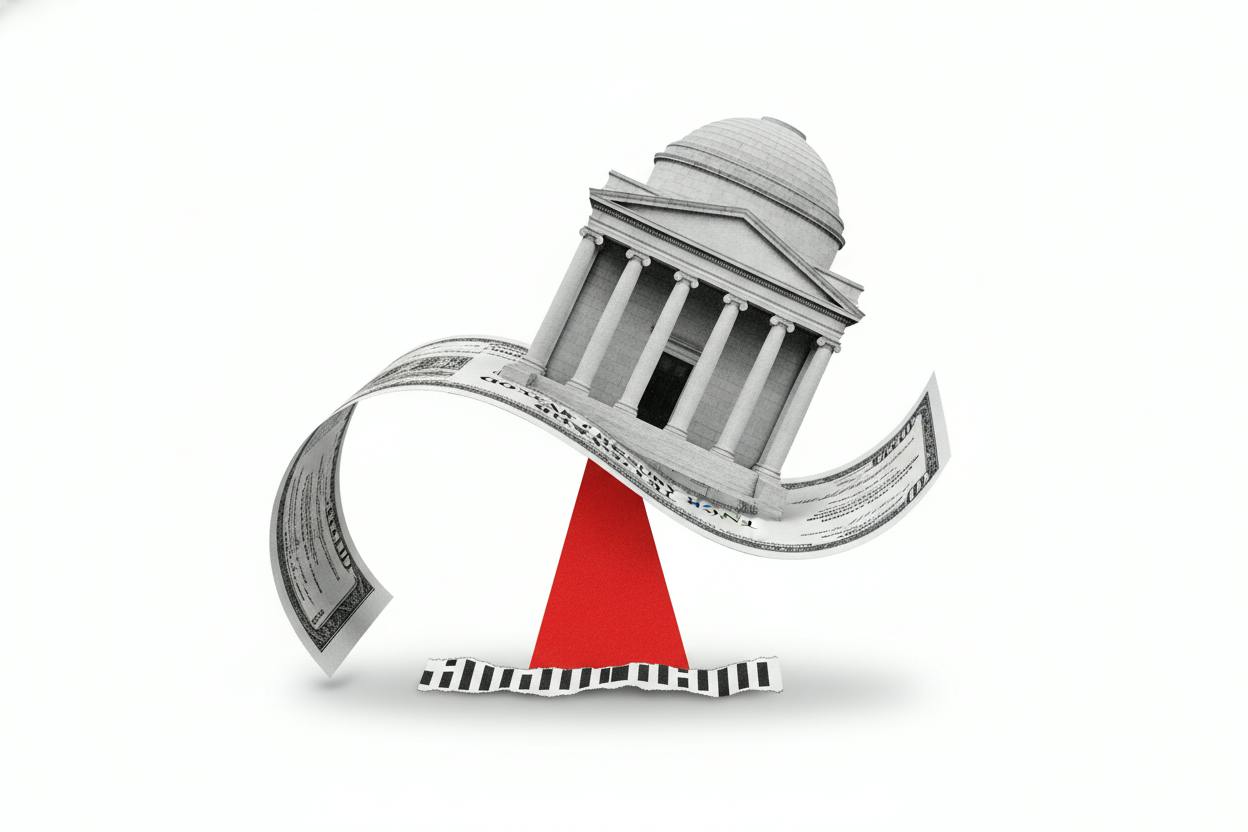
Inflation worries crept back into view on Friday, sending financial stocks lower and underscoring the fragility of the economic recovery. The University of Michigan's final October survey showed consumer sentiment at a five-month low, while the 10-year Treasury yield nudged up to 4.99%, a level that has historically weighed on rate-sensitive sectors.
What's driving the move?
The survey also revealed that consumers' inflation expectations are at their highest level since May. That combination—weak sentiment and rising inflation expectations—tends to keep interest rates and borrowing costs uncomfortably high, which can squeeze both households and businesses.
Markets reacted quickly. The NYSE Financial Index fell 1.3%, and the Financial Select Sector SPDR ETF dropped 1.4%. Rate-sensitive pockets like homebuilders also weakened, as higher long-term yields make mortgages more expensive and cool housing demand.
Banks were among the hardest hit. American Express, which is often seen as a barometer of consumer spending, and Flagstar, a regional lender, both pointed to job cuts and weaker results ahead. These signals suggest that lenders are bracing for a slowdown in borrowing and a potential rise in delinquencies as consumers feel the pinch of higher prices and borrowing costs.
Why Treasury yields matter
The 10-year Treasury yield is a benchmark for a wide range of borrowing costs, from corporate bonds to home loans. When it rises, it becomes more expensive for companies to finance expansion and for consumers to take out loans. For banks, higher yields can boost net interest margins—the difference between what they pay on deposits and earn on loans—but they also raise the risk of defaults if the economy weakens.
This dynamic is playing out against a backdrop of persistent inflation. Even as the Federal Reserve has raised interest rates aggressively to cool price pressures, consumers and businesses are still feeling the sting. The latest sentiment data suggests that the pain is far from over.
What it means for investors
For everyday investors, the takeaway is that inflation remains the central force driving markets. When inflation expectations rise, bond yields tend to follow, and that can ripple through stocks, especially those in rate-sensitive sectors like financials and real estate.
Investors should also note that job cuts at major banks are often a leading indicator of broader economic weakness. When lenders trim staff and warn of weaker results, it can signal that they expect loan demand to slow and credit losses to climb.
That said, not all financial stocks are created equal. Some banks are better positioned to weather a downturn than others, depending on their loan portfolios and exposure to consumer credit. As always, diversification remains a key strategy for managing risk.
Looking ahead
Markets will be watching for further clues on inflation and the Fed's next moves. The 10-year yield's proximity to 5% is a psychological threshold that could trigger more volatility if breached. Meanwhile, earnings reports from major banks and consumer companies will offer more insight into how businesses are coping with the current environment.
For now, the message from the markets is clear: inflation jitters are back, and they are hitting financial stocks hard. Investors should stay informed and consider how rising yields and weakening sentiment might affect their portfolios.