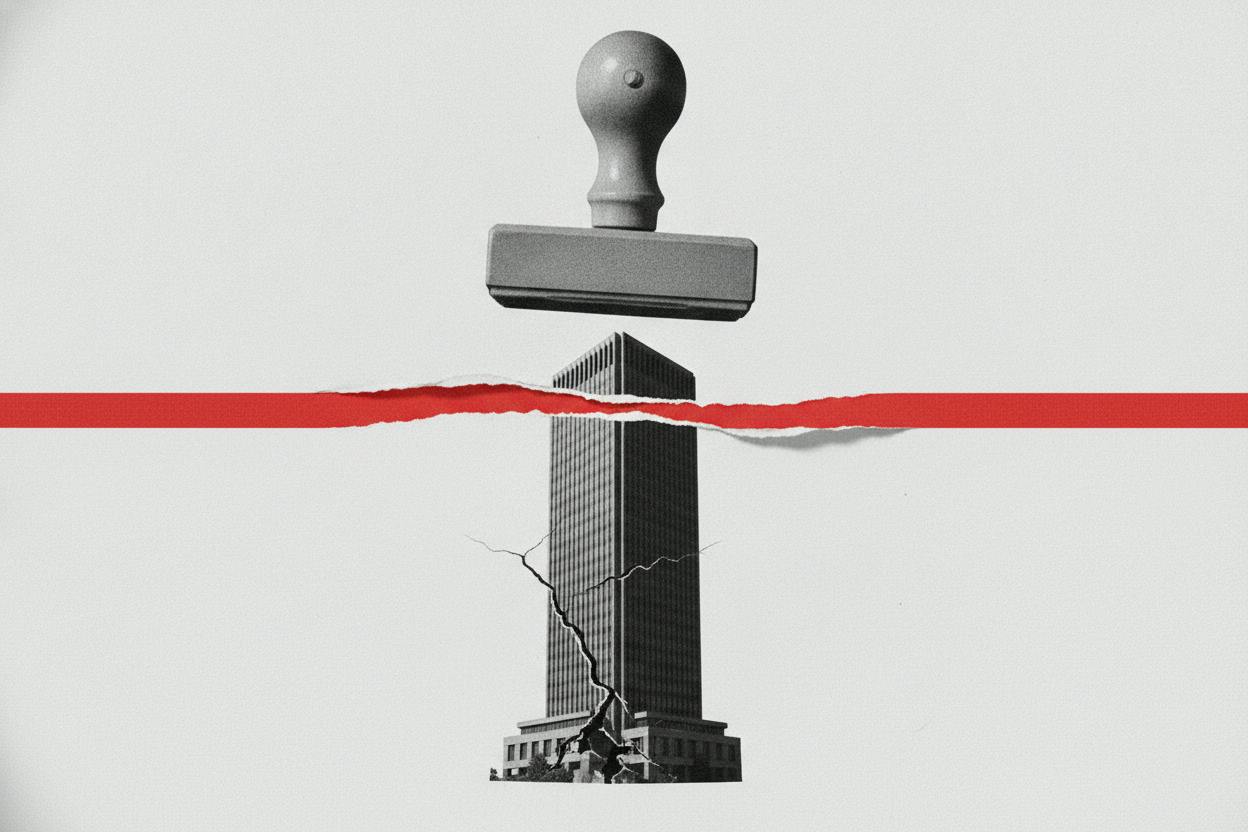
Proxy adviser Institutional Shareholder Services (ISS) has recommended that shareholders of the Australian Securities Exchange (ASX) vote against the company's executive pay report at its annual meeting on October 22. The recommendation lands early in the tenure of new chief executive Anthony Attia and puts executive compensation squarely in the spotlight.
At the heart of ISS's argument is a simple mismatch: ASX paid short-term bonuses at 100% of target even though the stock fell 23.6% in the year to June 30. ISS points to one-year total shareholder return — the combination of share price moves and dividends — lagging both peers and the broader market, while former CEO Helen Lofthouse still received a full target bonus despite weaker profit and dividends.
Why the pay report matters more than usual
In Australia, a vote on the remuneration report is not binding in the way a merger vote is. But it carries real consequences thanks to the country's "two-strikes" rule. If more than 25% of shareholders vote against the pay report at two consecutive annual meetings, the company must hold a separate vote on whether to spill the entire board — meaning shareholders get to decide whether all directors should stand for re-election.
ASX already took a first strike in 2024. That means the October 22 meeting is the second strike opportunity. If 25% or more of votes cast go against the report, a follow-up ballot on a board spill would be triggered. That vote would not automatically remove directors, but it would force a governance reckoning and could create a near-term overhang on the stock.
ISS also criticised adjustments it says flattered the company's results, including A$51.5 million in "significant items" linked to regulatory fines and costs on the CHESS replacement project. It further questioned non-financial scorecards such as culture and engagement, describing them as "day job" metrics that should not drive bonus outcomes.
ASX pushes back as another adviser backs the report
ASX said it respectfully disagrees with ISS's assessment, arguing that FY26 pay outcomes balanced performance and accountability, with consequences already applied in FY25. The company's position is that the remuneration framework is working as intended and that adjustments reflect genuine one-off costs rather than an attempt to obscure weak performance.
Not all proxy advisers agree with ISS. CGI Glass Lewis, another influential advisory firm, supports the pay report. That split means the outcome will likely hinge on how large institutional investors — particularly superannuation funds and index managers — decide to vote. Their choices will determine whether the second-strike threshold is crossed.
What it means for investors
For ordinary investors, the immediate financial impact of a "no" vote is indirect. Executive pay itself does not change a company's cash flow in a meaningful way at this scale. What matters more is what a second strike signals: that a significant chunk of the shareholder base lacks confidence in the board's oversight.
That perception can feed into how the market prices ASX shares. Companies facing a potential board spill often see a period of uncertainty as investors weigh the chance of a board refresh, management distraction, and a faster reset of how bonuses are set and judged. For a market-infrastructure business like ASX, execution risk on large technology programs — most notably the CHESS replacement — is already a sensitive topic after years of investor and regulatory frustration over governance and repeated platform outages.
If a spill vote is triggered, it would take place at a later meeting. Directors would stand for re-election, and shareholders would effectively get a chance to reshape the board. That process can be disruptive, but it can also accelerate governance changes that some investors have been calling for.
Investors should also watch the size of the protest vote. A result just above 25% would trigger the procedural consequence but might be read as a narrow rebuke. A substantially larger "no" vote would send a stronger message about dissatisfaction with both pay and broader board performance.
For now, the October 22 meeting is the key date. The vote will test whether shareholders believe ASX's pay framework reflects the returns they actually received — and whether the board retains their confidence as the exchange navigates its next chapter under new leadership.