Italy's financial markets are in focus this week as the government balances its borrowing needs with a policy move to lower fuel costs. The Treasury has announced plans to sell up to €8 billion in bonds at an auction on July 30, while also canceling two previously scheduled sales in August. At the same time, a temporary cut to diesel excise taxes has been reintroduced following protests over high energy prices.
Bond auction details and schedule changes
The Italian Treasury's upcoming bond auction is the most significant near-term event for the country's debt markets. The sale of up to €8 billion in government bonds on July 30 will test investor appetite for Italian debt, which is closely watched given the country's large public debt pile—one of the highest in the eurozone relative to GDP.
In a notable shift, the Treasury has canceled its medium- to long-term auction originally scheduled for August 13, as well as the August 26 sale of BTPEI inflation-linked bonds. These cancellations may reflect a strategic decision to avoid issuing during a typically quieter summer period, or could signal that the government has already met near-term funding needs. For investors, the move reduces the supply of Italian bonds in the secondary market, which can sometimes support prices in the short term.
Italy's bond yields have been sensitive to global interest rate expectations and domestic fiscal concerns. The country's debt dynamics are a recurring theme for markets, especially when the European Commission reviews national budgets. Any sign of fiscal slippage can quickly push yields higher, raising borrowing costs for the government.
Diesel tax cut: relief for households, but a budget cost
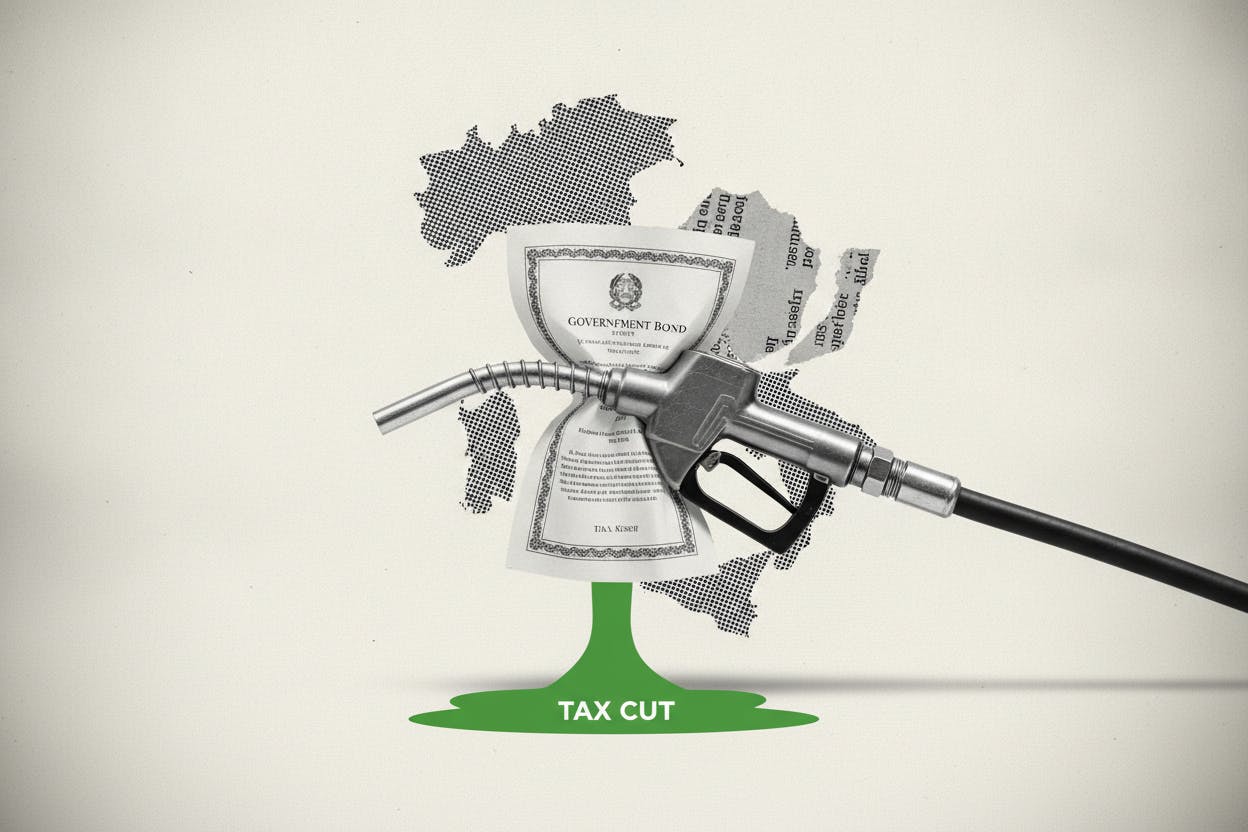
Separately, Italy has reintroduced a temporary reduction in excise duties on diesel fuel. The move comes after protests over energy costs, which have squeezed households and businesses across the country. By lowering the tax on diesel, the government aims to provide some relief at the pump, particularly for transport companies and commuters who rely on diesel vehicles.
However, the tax cut also adds to the government's budget bill. In a country with a high public debt load and frequent scrutiny from European Union fiscal rules, any additional spending or revenue loss can raise concerns. The diesel excise reduction is temporary, but it still represents a fiscal cost that must be accounted for. Investors will be watching to see whether the government offsets this with spending cuts or higher taxes elsewhere, or whether it lets the deficit widen.
The broader context is that energy prices have been volatile globally, with oil prices recently plunging amid concerns about demand and the global economic outlook. Lower oil prices can ease inflation pressures, but they also reduce tax revenues for governments that levy excise duties on fuel.
Corporate earnings and outlook adjustments
On the corporate side, several Italian companies are reporting first-half results this week, adding to the market's focus. Among them, energy services firm Saipem has trimmed its 2026 earnings outlook, a move that may reflect challenges in the sector or project delays. Saipem is a major player in offshore drilling and engineering, and its revised guidance could signal broader trends in the energy services industry.
Other Italian firms reporting results will give investors a snapshot of how the country's economy is faring. Corporate earnings are a key indicator of economic health, and in a high-debt environment like Italy's, strong company performance can help offset some fiscal concerns.
What it means for investors
For everyday investors, the combination of a large bond auction and a tax cut that adds to the budget deficit creates a mixed picture. The bond auction will test whether investors are still willing to lend to Italy at reasonable rates. If demand is strong, it suggests confidence in the country's fiscal management. Weak demand, on the other hand, could push yields higher, making Italian bonds less attractive and potentially affecting bond funds or ETFs that hold Italian debt.
The diesel tax cut is a short-term positive for consumers and some businesses, but it adds to the fiscal burden. Investors should be aware that any deterioration in Italy's budget position could lead to higher borrowing costs over time, which may weigh on Italian stocks and bonds.
Broader market conditions also matter. Treasury yields have been falling as oil price declines ease inflation fears, which could support demand for Italian bonds if the trend continues. However, the Federal Reserve's upcoming decisions on interest rates and the path of the US dollar will also influence global capital flows and investor sentiment toward European debt.
In summary, Italy's market this week is a story of balancing acts: between providing relief to households and maintaining fiscal discipline, and between meeting funding needs and managing debt costs. Investors will be watching the auction results closely for clues about the country's financial health.