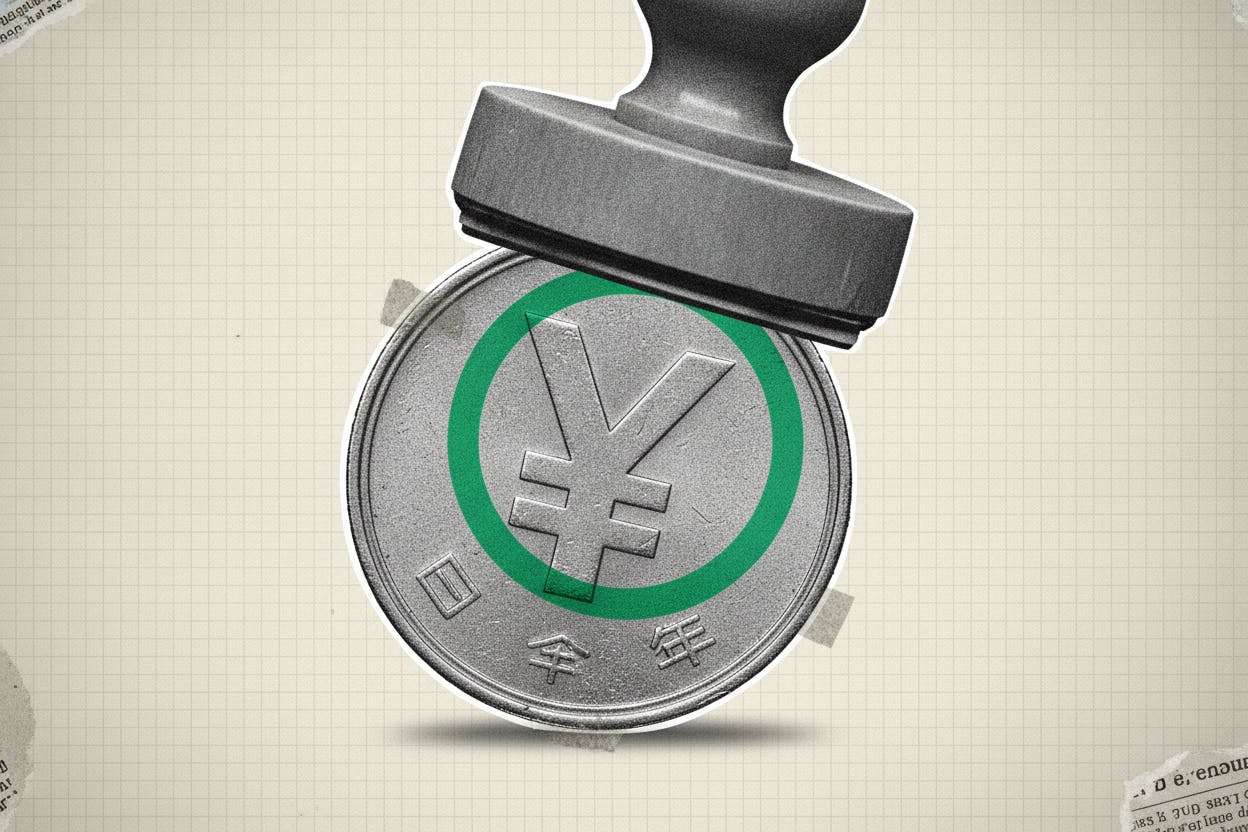
Japan's top financial officials are heading to next week's G20 meeting with the yen back under the microscope, after a coordinated intervention last month failed to keep the currency firm for long. Finance Minister Satsuki Katayama and Bank of Japan Governor Kazuo Ueda will attend the gathering in Asheville, North Carolina, putting currency policy back on the agenda.
The yen bounced after the joint Japan-US move to support it, but it has since slid again, trading around 159.60 per US dollar on Friday. That renewed weakness is reviving pressure on Tokyo to show it can steady the currency, and investors are watching for any sideline conversation between Katayama and US Treasury Secretary Scott Bessent, who has publicly urged the BOJ to tighten policy.
Why the yen keeps sliding
The yen's persistent weakness stems from a wide interest-rate gap between Japan and the US. While the Federal Reserve has been cutting rates, the Bank of Japan has only slowly moved away from its ultra-loose policy. That gap makes dollar-denominated assets more attractive, pulling money out of yen and pushing the currency lower.
Last month's intervention—where Japan and the US jointly stepped in to buy yen—was a rare move, signaling that Washington was willing to help Tokyo defend its currency. But currency interventions often provide only temporary relief. Without a sustained change in interest-rate expectations, the yen tends to drift back toward weaker levels, which is exactly what has happened.
Investors are now betting that the BOJ may raise rates in September, a move that would narrow the rate gap and give the yen more support. But the central bank has been cautious, wary of disrupting Japan's fragile economic recovery. Any signal from Ueda at the G20 about the timing of a hike will be closely parsed.
What to watch at the G20
The G20 meeting is primarily a forum for finance ministers and central bank governors to discuss global economic issues, but currency matters often dominate when the yen is under pressure. Japan has historically used such gatherings to build consensus against excessive currency moves, and this year is no different.
The key moment could be a bilateral meeting between Katayama and Bessent. Bessent has been vocal in urging Japan to let interest rates rise, arguing that a weaker yen distorts trade and global capital flows. If the two strike a cooperative tone, markets may take it as a sign that further joint action is possible. If they clash, the yen could weaken further.
Investors will also watch for any comments from Ueda on the BOJ's policy path. A hawkish hint—suggesting a September hike is likely—would likely boost the yen. A dovish stance would do the opposite.
What it means for investors
For everyday investors, the yen's moves matter in a few ways. A weaker yen is generally good for Japanese exporters, as it makes their goods cheaper abroad and boosts repatriated profits. But it raises import costs, squeezing households and small businesses that rely on foreign energy and food.
For global investors, the yen is often a barometer of risk sentiment. When the yen strengthens, it can signal caution, as investors unwind carry trades—borrowing yen at low rates to invest in higher-yielding assets elsewhere. A sharp move in the yen can ripple through global markets, affecting everything from Asian equities to US Treasuries.
The G20 meeting may also offer clues on the broader direction of US-Japan economic relations. With the Federal Reserve's policy path uncertain and Treasury yields dipping as traders await Warsh's Jackson Hole speech, any coordinated stance on currencies could have knock-on effects for bond markets.
For now, the yen remains a key watchpoint. If officials signal a willingness to intervene again or hint at a BOJ rate hike, the currency could stabilize. If not, the slide may continue, keeping pressure on Tokyo to act.
As Asian markets hold steady as investors await Warsh's Jackson Hole speech, the G20 adds another layer of uncertainty. Investors should keep an eye on any headlines from Asheville, as they could set the tone for currency markets in the weeks ahead.



