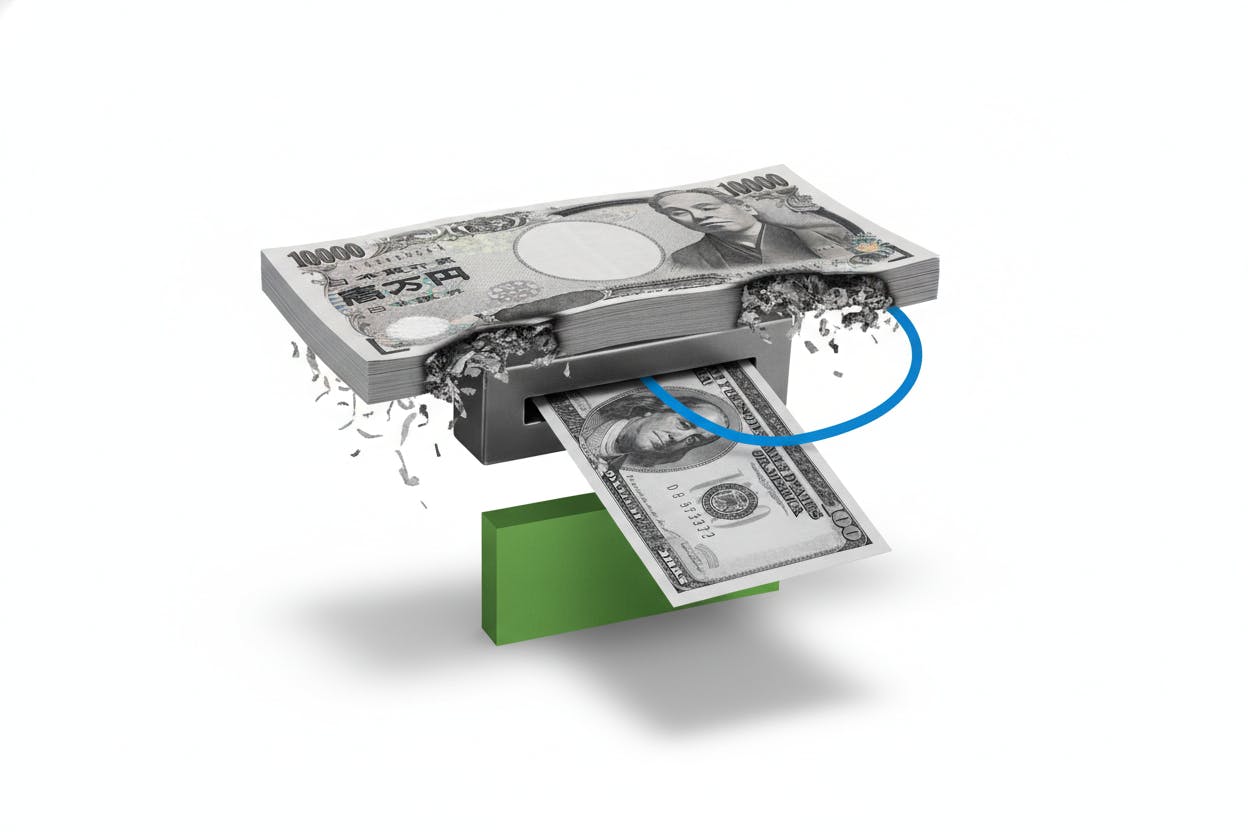
Japan's government has been fighting to slow the yen's slide, and the bill for that effort just came due. The Ministry of Finance reported that the country's foreign reserves fell by a record $79.6 billion in August, dropping to $1.208 trillion. The decline was driven by Tokyo's use of 15.4 trillion yen (roughly $104 billion) for dollar-selling, yen-buying intervention—its most aggressive move yet to put a floor under the currency.
What happened and why it matters
Foreign reserves are a country's stockpile of foreign currencies, gold, and other assets, used to influence exchange rates or meet international obligations. When Japan wants to strengthen the yen, it sells dollars from its reserves and buys yen. That's exactly what it did in August, and the scale was unprecedented.
The biggest chunk of the decline came from "foreign securities," which make up roughly 70% of Japan's reserves and are mostly held in U.S. Treasuries. That's a crucial detail: to raise dollars for intervention, Japan likely had to sell some of its U.S. bond holdings. This turns what might seem like a currency story into a bond market story as well.
Large, repeated interventions can add extra selling pressure on U.S. Treasuries, which investors watch closely because they underpin global borrowing costs. If Japan keeps dipping into its reserves, bond traders will pay attention—not just to the yen, but to what it means for Treasury yields.
The bigger picture: a weak yen and the Fed's shadow
The yen has been under pressure for months, largely because of the gap between interest rates in Japan and the United States. The U.S. Federal Reserve raised rates aggressively to fight inflation, while the Bank of Japan kept its policy ultra-loose. That made dollar-denominated assets more attractive, pushing investors out of yen and driving the currency lower.
Japan's intervention is a direct response to that trend, but it's not a permanent fix. Currency intervention can provide temporary relief, but it doesn't change the underlying economic forces. The Fed's 2020 backstop—its emergency lending programs—still looms in the background, a reminder that central banks have tools beyond just buying and selling currencies.
For everyday investors, the key takeaway is that Japan's move is a signal of how worried officials are about the yen's weakness. A weaker yen makes Japanese exports cheaper, but it also raises the cost of imported energy and food, squeezing households and businesses. That's why Tokyo is willing to spend billions to defend it.
What it means for investors
If you hold U.S. Treasuries or bond funds, Japan's intervention is worth watching. When a major holder like Japan sells Treasuries to raise dollars, it can push bond prices down and yields up, at least in the short term. That could affect your bond portfolio's value.
For those with exposure to Japanese stocks or the yen, the intervention could provide some near-term support for the currency, but it's unlikely to reverse the trend on its own. Analysts often note that intervention works best when it's coordinated or when it aligns with monetary policy changes—neither of which is happening right now.
Japan's move also echoes what other countries are doing. India's foreign exchange reserves hit a record recently, and the RBI's dollar haul lifted the rupee, showing how different nations are managing currency pressures in opposite ways. While Japan is spending reserves to defend the yen, India is building them up on the back of dollar inflows.
What to watch next
Investors will be watching whether Japan continues to intervene and whether it starts selling other assets, like Japanese government bonds, to fund its efforts. The government has kept its intervention warning active as the yen swings above 156 per dollar, suggesting more action could come.
Also on the radar: the Fed's next moves. If the Fed signals it's done raising rates, the dollar could weaken, which would take pressure off the yen and reduce the need for further intervention. But if the Fed stays hawkish, Japan may have to keep dipping into its reserves—and bond markets will feel the ripple effects.
For now, the record drop in reserves is a clear sign that Japan is serious about defending the yen, but it's also a reminder that currency defense is expensive and not without consequences. As always, it's wise to keep an eye on how these moves ripple through global markets.



