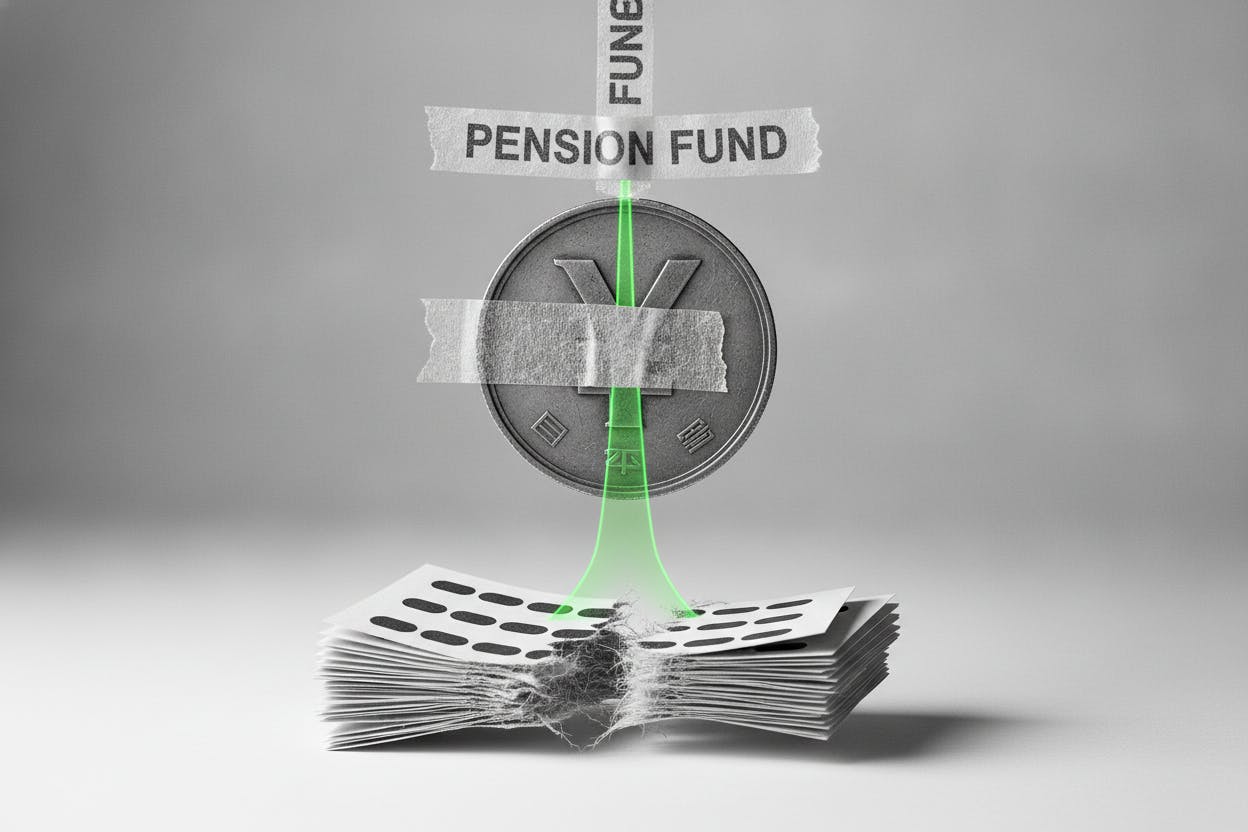
Japan is turning to its own pension savings to help prop up the yen. Finance Minister Satsuki Katayama said policymakers are pursuing steps that could lead the Government Pension Investment Fund (GPIF) — one of the world's largest pension pools — to make "substantially greater investments in Japanese financial assets." The yen strengthened 0.6% to 161.44 per dollar following the remarks.
Why Japan Is Pushing This Move
The yen has been under heavy pressure for months, trading near multi-decade lows against the U.S. dollar. A weak currency makes imports more expensive for Japanese consumers and businesses, driving up costs for energy, food, and raw materials. While a cheaper yen helps exporters like Toyota and Sony, the broader economy has felt the sting of rising living costs.
By encouraging the GPIF to shift more money into domestic stocks and bonds, Japan hopes to reduce the steady outflow of capital into foreign assets — a trend that has contributed to the yen's decline. The GPIF, with assets under management exceeding $1.5 trillion, has historically allocated roughly half of its portfolio to overseas investments. As IG analyst Fabien Yip noted, even a small tilt toward Japanese assets could have a meaningful impact on currency flows.
This is not the first time Japan has tried to influence the yen through policy. The Bank of Japan has intervened in currency markets in the past, and the government recently rewrote its economic blueprint to reaffirm the central bank's independence after a bond selloff. But using pension funds as a tool is a less direct — and potentially more sustainable — approach.
How the GPIF Works
The GPIF is a public pension fund that manages retirement savings for millions of Japanese workers. It invests across a mix of domestic and foreign stocks and bonds, aiming for steady long-term returns. Its size makes it a heavyweight in global markets: any shift in its allocation can move currencies and asset prices.
Currently, the fund's target allocation is roughly 25% domestic stocks, 25% foreign stocks, 25% domestic bonds, and 25% foreign bonds. A move to increase the domestic share would mean selling foreign holdings and buying Japanese assets, which would create demand for the yen. That is exactly what the government is hinting at.
The timing is notable. Japan's wholesale inflation recently accelerated in June, raising the prospect of further interest rate hikes by the Bank of Japan. Higher rates would also support the yen by making Japanese bonds more attractive to global investors. The pension push could amplify that effect.
What It Means for Investors
For everyday investors, this development signals that Japan is serious about defending its currency. A stronger yen could affect portfolios in several ways:
- Japanese stocks: A rising yen can hurt exporters' profits because their overseas earnings are worth less when converted back to yen. However, domestic-focused companies — such as retailers, utilities, and banks — could benefit from a stronger currency and lower import costs.
- Global bonds: If the GPIF reduces its foreign bond holdings, it could put downward pressure on U.S. and European government bond prices. Investors holding international bond funds should watch for shifts in Japanese demand.
- Currency markets: The yen's move to 161.44 is a short-term reaction. Whether the currency can sustain gains depends on how much the GPIF actually reallocates — and whether other Japanese pension funds follow suit.
Some analysts have pointed to Japan as an attractive market for diversification. In a recent discussion, three experts shared where to invest a $100,000 windfall, with Japan among the picks alongside U.S. tech, gold, and oil. The pension fund shift could add momentum to that thesis.
It is also worth noting that the yen has been bucking broader trends. While the U.S. dollar edged higher recently ahead of jobless claims and Fed speakers, the yen bucked the trend, strengthening even as the dollar gained. That suggests the market is already pricing in some policy support.
What to Watch Next
Investors should keep an eye on any formal announcements from the GPIF regarding changes to its asset allocation. The fund typically reviews its strategy every five years, with the next review due in 2025. However, the government's comments suggest it may not wait that long.
Also watch for the Bank of Japan's next policy meeting. If the BOJ raises interest rates again, it would reinforce the yen's recovery and could accelerate the GPIF's shift toward domestic assets. The combination of tighter monetary policy and pension fund buying would be a powerful one-two punch for the currency.
For now, the yen's bounce is a reminder that government policy — even in the form of a suggestion — can move markets. But the real test will be whether Japan can turn words into action.



