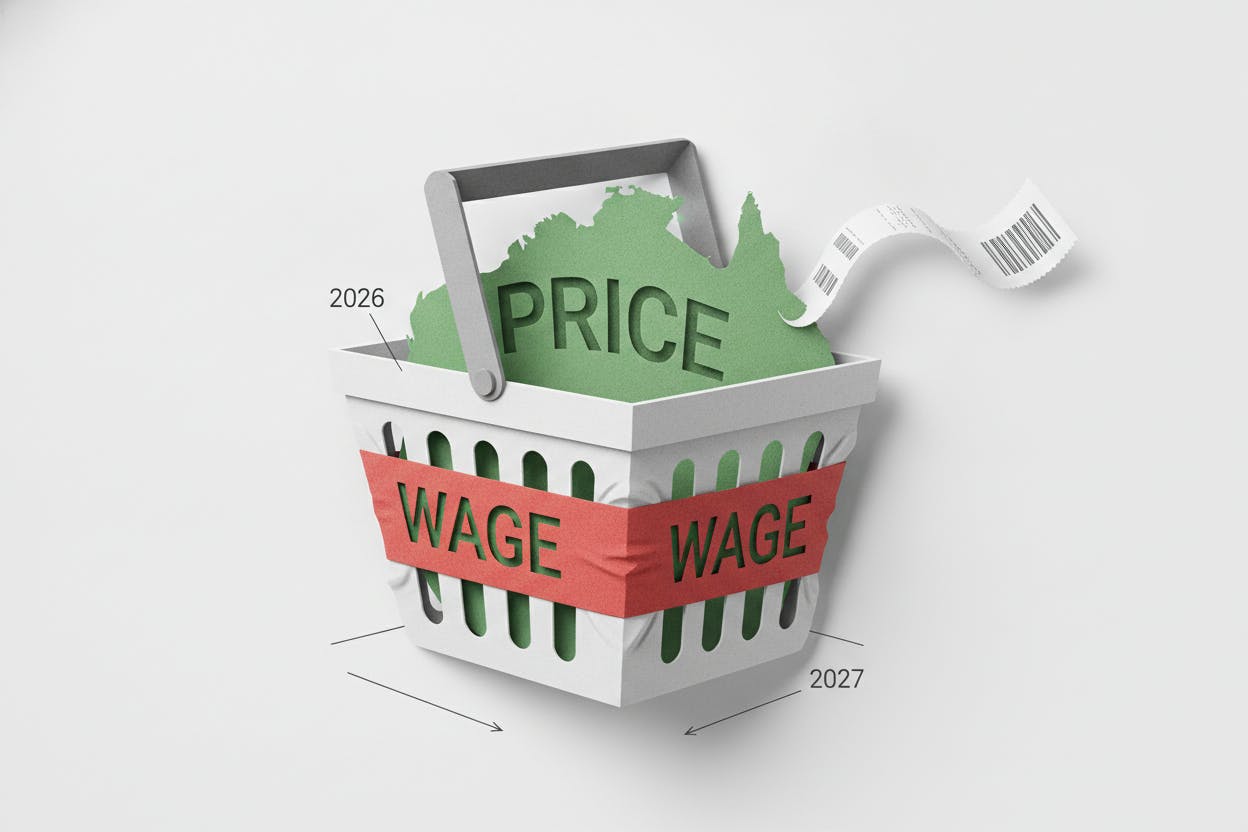
Australian retailers may navigate the current tough environment without too much damage to near-term earnings, but a more serious challenge is brewing for fiscal 2027, according to Jefferies. The global investment bank says rising wage costs and fiercer competition will likely pressure profits for most companies in the sector, even as demand holds up for now.
What Jefferies is saying
Jefferies, a firm that provides research and investment banking services, sees the current period as uncomfortable but manageable. High interest rates, weak consumer confidence, and a soft housing market are keeping shoppers cautious. Despite that, the broker expects most retailers' fiscal 2026 results to land close to what analysts already forecast.
The bigger worry is fiscal 2027. Jefferies warns that wage inflation will remain elevated, adding to retailers' cost bases. At the same time, competition for customers is expected to intensify, forcing brands to discount or spend more on marketing. That combination can squeeze profit margins, especially for companies that lack pricing power.
Jefferies specifically likes Coles and Domino's Pizza, citing steadier demand for their products. Groceries and fast food tend to be less discretionary, meaning they are less vulnerable to shifts in consumer spending. The broker's view suggests these two stocks may offer some shelter if the broader retail sector weakens.
Broader context for Australian retail
The Australian retail sector has been under pressure for some time. The Reserve Bank of Australia has kept interest rates high to combat inflation, which has reduced households' disposable income. At the same time, the housing market has cooled, making homeowners feel less wealthy. These factors have weighed on consumer spending, particularly for big-ticket items like furniture and electronics.
Retailers have responded by cutting costs and offering promotions to attract shoppers. But as Jefferies notes, those strategies become harder to sustain when wage costs are rising. Australia's tight labor market has pushed up wages, and many retailers are facing higher minimum wage requirements and award rate increases.
The broker's outlook aligns with broader trends. Retail sales in other developed markets have also shown signs of strain, though the pace of decline has slowed in some cases. For Australian investors, the key question is whether the Reserve Bank will cut rates soon enough to ease the pressure on consumers.
What it means for investors
Jefferies' analysis offers a nuanced picture for investors in Australian retail stocks. The near term may not be as bad as feared, but the medium term looks more challenging. Investors should watch for companies with strong brands, loyal customer bases, and the ability to pass on cost increases without losing sales.
Coles, as a major supermarket chain, benefits from essential demand. People need to buy food regardless of the economic cycle. Domino's, as a quick-service restaurant, also has some defensive qualities, though it is more exposed to competition from other fast-food chains and changing consumer tastes.
For most other retailers, Jefferies sees a tougher road. Companies selling discretionary items like clothing, electronics, or home goods may struggle to maintain margins as wage costs rise and shoppers become more price-sensitive. The broker's warning suggests that investors should be selective, favoring names with steady demand and strong market positions.
The broader market backdrop also matters. Cooling oil prices have eased inflation fears recently, which could support the Australian dollar and reduce some cost pressures. But wage inflation is a domestic issue that may not respond quickly to global trends. Investors will need to monitor labor market data and company earnings reports for signs of margin compression.
Looking ahead
Jefferies' call on fiscal 2027 is a reminder that the retail sector's challenges may not be resolved quickly. Even if interest rates start to fall later this year or in 2026, the lag effect on consumer spending and the persistence of wage costs could keep profits under pressure.
For everyday investors, the key takeaway is to pay attention to cost trends and competitive dynamics, not just sales growth. A retailer that can maintain or expand its margins in this environment is likely a stronger long-term bet. Conversely, companies that rely on heavy discounting to move products may face a painful adjustment.
Jefferies' preference for Coles and Domino's reflects a cautious but not pessimistic view. The broker sees pockets of resilience in Australian retail, but warns that the overall picture will get tougher before it gets easier.