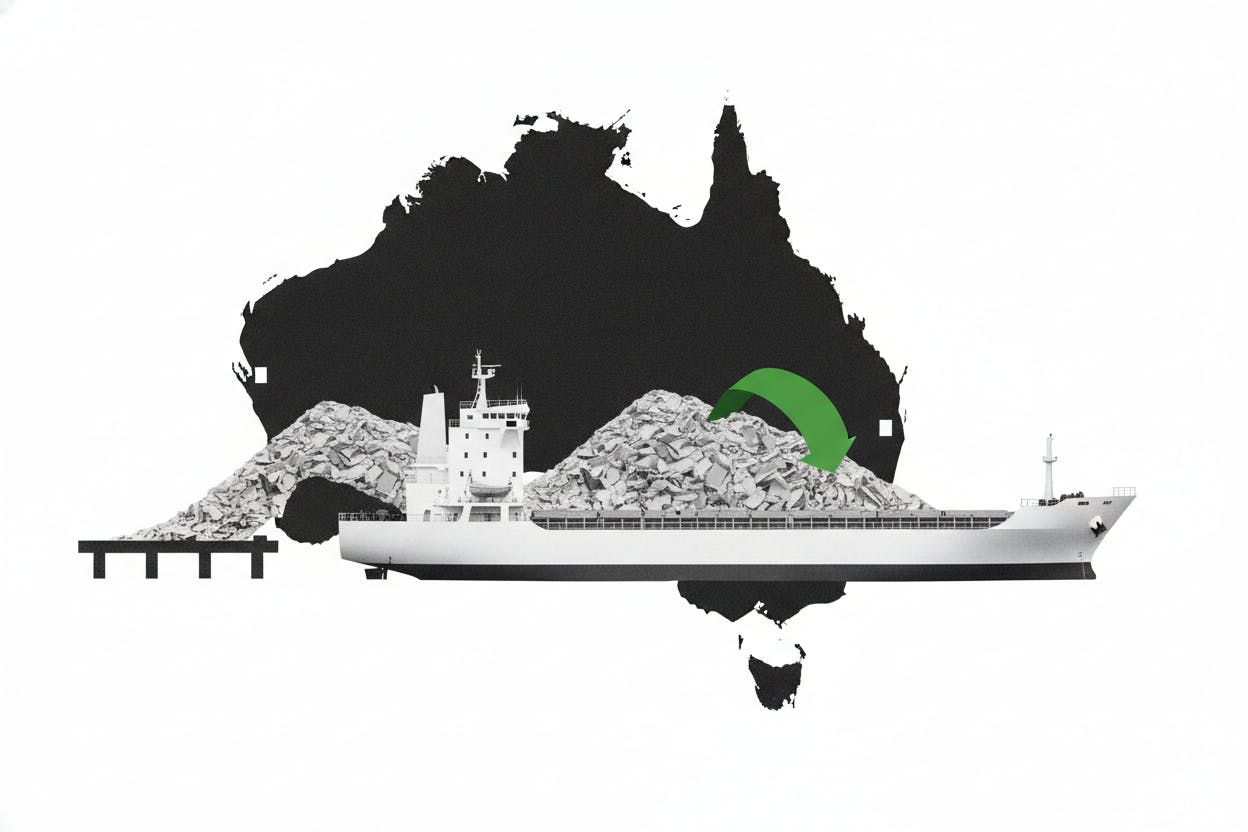
Jefferies, a global investment bank, has pointed to shipping data from Western Australia’s key export ports as evidence that several lithium miners likely shipped more spodumene than the market expected in the fiscal fourth quarter. In a research note, the bank highlighted export tallies from Port Hedland and Esperance, which suggest that Pilbara Minerals’ Pilgangoora mine and Mineral Resources’ Wodgina and Mt Marion operations all exceeded consensus forecasts.
Spodumene is a lithium-bearing mineral that is processed into lithium chemicals used in batteries for electric vehicles and consumer electronics. The port data provides an early, real-world check on production and sales volumes before companies report official quarterly results.
Inventory Drawdown, Not Production Surge
Jefferies cautioned that the apparent shipment beat was not necessarily a sign of a sudden jump in mining output. Instead, the bank attributed the stronger numbers to a drawdown of on-site inventories that had been built up in earlier periods. When a miner ships from stockpiles rather than fresh production, it can lift quarterly volumes without improving the mine’s underlying steady-state capacity.
“This is mainly a timing effect,” the note explained. “It brings sales forward, which can help near-term revenue and working capital, but it also means later quarters may look softer unless production rises or inventories are rebuilt.”
For Pilbara Minerals and Mineral Resources, the inventory release provides a short-term boost. But investors should be careful not to extrapolate the Q4 shipping strength into a sustained production trend.
Wodgina’s Consistent Beat, Mt Marion’s Longer-Term Risk
Jefferies noted that Mineral Resources’ share of Wodgina shipments had already been tracking ahead of expectations through fiscal Q3, suggesting the Q4 beat may not be a one-off at that mine. Wodgina, a large hard-rock lithium operation in the Pilbara region, has been ramping up output and appears to be delivering consistently above market forecasts.
However, the bank warned against extending port strength into a longer-term cash-flow story, especially at Mt Marion. Jefferies highlighted that “capitalized stripping” at Mt Marion is expected to rise into fiscal year 2027. Capitalized stripping refers to the cost of removing waste rock to access ore deeper in the pit. While this spending is recorded as an investment on the balance sheet rather than an immediate expense, it still consumes cash and can lead to higher ongoing mine spending and potentially higher costs per ton later on.
“If stripping activity keeps climbing into fiscal year 2027, the mine may need more sustaining capital expenditure just to keep output steady,” Jefferies wrote. “That can limit free cash flow even when volumes look strong.”
What It Means for Investors
For everyday investors, the key takeaway is that a single quarter of strong shipments does not necessarily signal a fundamental improvement in a miner’s profitability or valuation. The inventory drawdown effect means that some of the Q4 sales are borrowed from future periods, and the rising stripping costs at Mt Marion could weigh on cash generation for years to come.
Jefferies’ AU$65 price target on Mineral Resources is more anchored to the medium-term cost and spending assumptions at Mt Marion than to a single quarter of port data. The bank’s cautious stance suggests that even if Q4 shipments come in above expectations, the stock’s valuation may not get a lasting lift.
Lithium prices have been volatile in recent years, recovering from a deep downturn but still far below the peaks of 2022. The broader lithium market remains sensitive to demand from electric vehicle makers and battery producers, as well as supply additions from new mines. For context, Ganfeng Lithium recently returned to profit as lithium prices recovered, highlighting the sector’s sensitivity to price swings.
Investors should also keep an eye on the broader market environment for miners. The ASX recently rose 0.6% as miners and gold stocks led on commodity strength, showing that resource stocks can benefit from a supportive macro backdrop. However, company-specific factors like mine costs and stripping schedules matter just as much as commodity prices.
In summary, the Q4 shipping data from Western Australia is a positive near-term signal for Pilbara Minerals and Mineral Resources, but Jefferies’ analysis reminds investors that not all beats are created equal. Inventory releases and rising stripping costs mean the real test of value lies in the mines’ ability to generate sustainable free cash flow over the long haul.